Insights
Raw, Sheer, and Unraveling: Inside Luxury’s Shift Toward Deconstructed Fashion
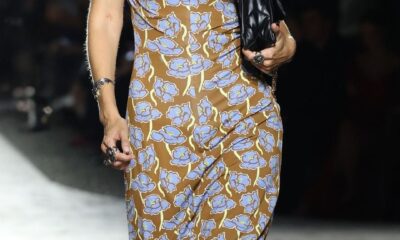
A significant recalibration is redefining modern luxury. Deconstructed fashion, once an avant-garde rebellion led by Rei Kawakubo and Martin Margiela, has evolved into a refined, emotionally charged aesthetic. In 2026, perfection is no longer the goal—engineered chaos is.
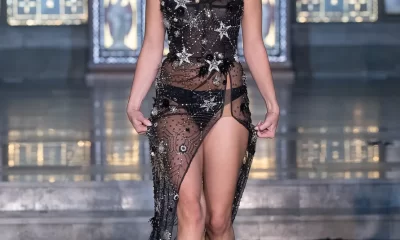
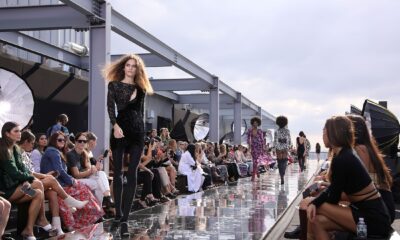
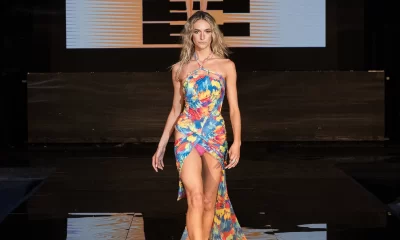
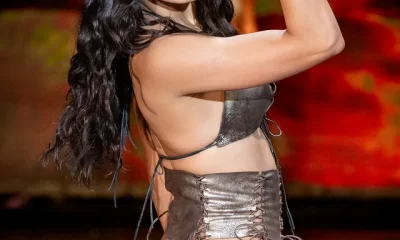
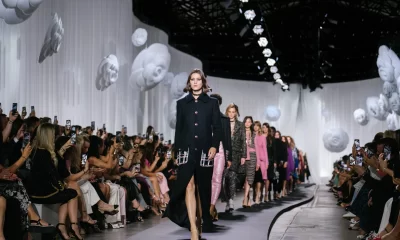
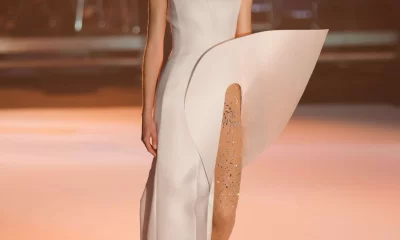
Among emerging voices, Ren Haixi defines the ethereal edge of this movement. Her work ( latest at NYFW by Runway 7 ) leans into shredded textures, cobweb-like mesh, and tactile romantic palettes—crimson, lavender, ivory—capturing a balance of fragility and control that anchors Deconstructed Etherealism.
Engineered Chaos: The New Fabric Narrative
Modern deconstruction is less about dismantling garments and more about reconstructing meaning. Designers are building pieces that feel alive—caught between formation and disintegration.
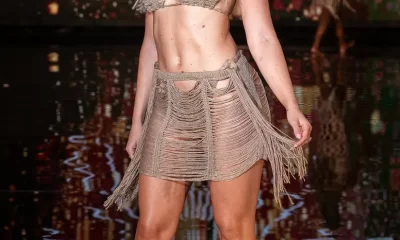
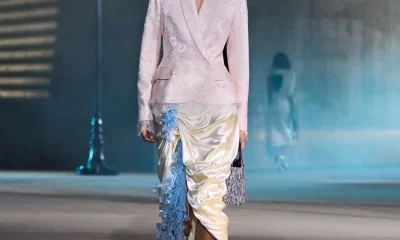
Shredded lace, fringed textures, and split fabrics create tactile surfaces that shift with movement. These are not distressed by chance; they are precisely engineered to feel unresolved.
The rise of “second-skin” mesh further pushes this idea. Cobweb-like netting and intricate lacework wrap the body with near-biological intimacy, blurring the boundary between garment and organism. Clothing becomes immersive, not just visual.
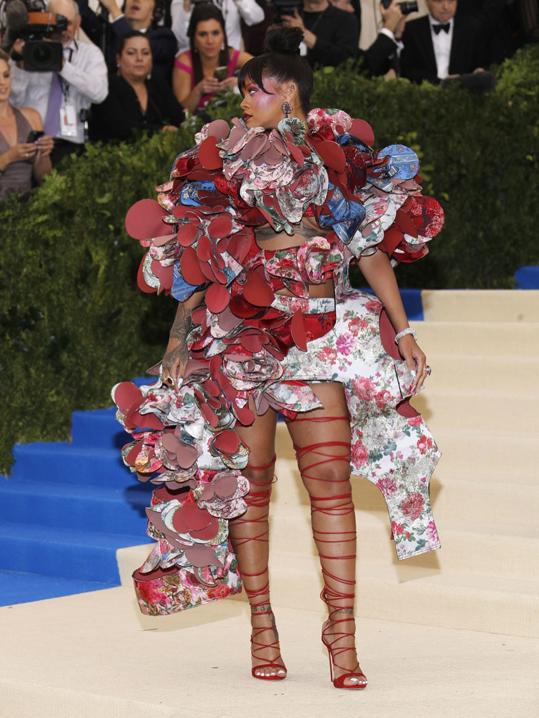
Even formalwear is being redefined. Bridal silhouettes now feature unhemmed fabrics, raw layering, and spun-silk bodices that reject rigid corsetry. This marks the rise of “distressed luxury,” where emotion and process replace polish.
Deconstructed Etherealism: Fragility as Power
Within this shift, a key trend is emerging—Deconstructed Etherealism.
Here, garments appear weightless and in motion. Chaotic layering, web-like textures, and delicate structures create silhouettes that feel both fragile and controlled. It is a softer, more sensory evolution of deconstruction—less intellectual, more instinctive.
The power lies in contradiction. Clothing looks as though it is coming undone, yet holds together with absolute technical precision.
Designers Driving the Shift
The movement gains strength through its varied interpretations across the global fashion landscape.
At Maison Margiela, John Galliano continues to push deconstruction into theatrical, narrative territory. Glenn Martens at Y/Project explores technical manipulation through transformable silhouettes, while Demna at Balenciaga frames distressing as a marker of realism and authenticity.
Why Deconstructed Fashion Defines 2026
This resurgence reflects a broader cultural fatigue with hyper-perfection. In a digitally polished world, fashion is moving toward authenticity—toward garments that feel real, textured, and emotionally resonant.
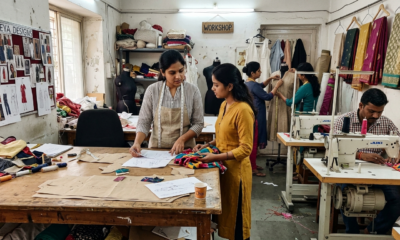
Frayed edges and exposed seams no longer signal incompletion; they signal intent. Craftsmanship is being redefined—not just by precision, but by meaning.
The Local Shift: Deconstruction in Motion
At Lakmé Fashion Week 2026, Prasoon Sharma’s label Triune translated this global direction into a more wearable, personal form.
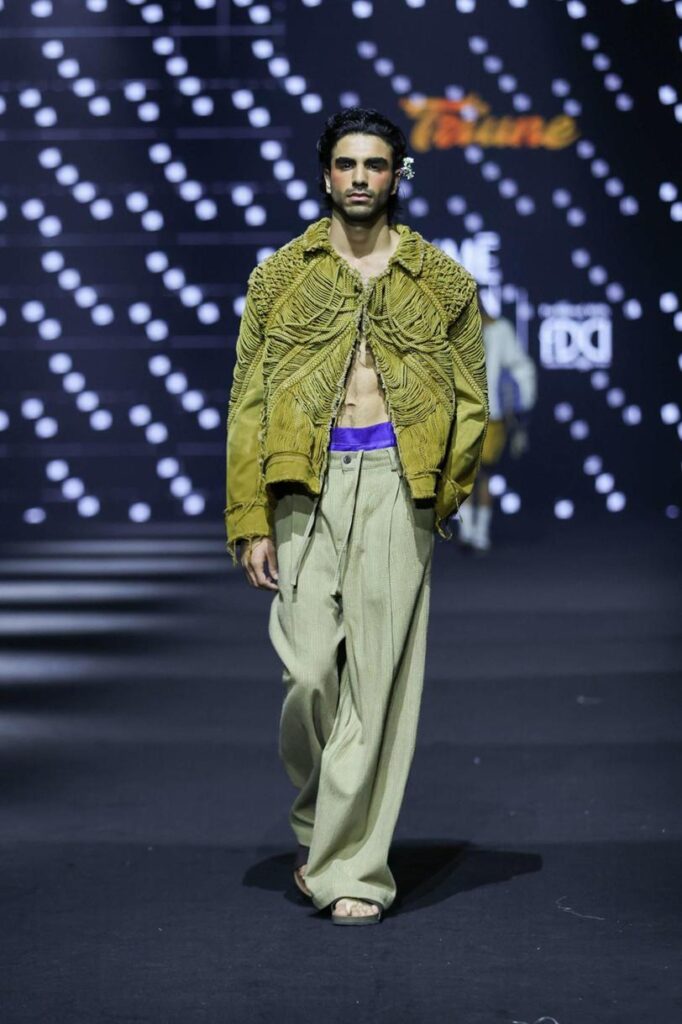
Through raw denims, fluid tailoring, and tactile surfaces, the collection approached deconstruction as lived experience. Garments felt adaptive and intuitive—rooted in movement, memory, and identity rather than spectacle. It marked a shift toward clothing that is not just constructed, but inhabited.
The Future of Deconstructed Luxury
Deconstructed fashion is no longer a trend—it is a structural shift in how luxury is defined.
The next phase of fashion will not be driven by flawless execution alone, but by a sense of process, transformation, and emotional depth. From global runways to emerging markets, the message is consistent: the most compelling garments are those that appear to be coming undone—yet hold together with absolute intent.