Insights
New York Fashion Week Spring/Summer 2027 Schedule Signals a More Curated, Values-Driven Future
When the Council of Fashion Designers of America (CFDA) unveiled the preliminary schedule for New York Fashion Week Spring/Summer 2027, the headline number was straightforward: approximately 70 runway shows and presentations across six days.
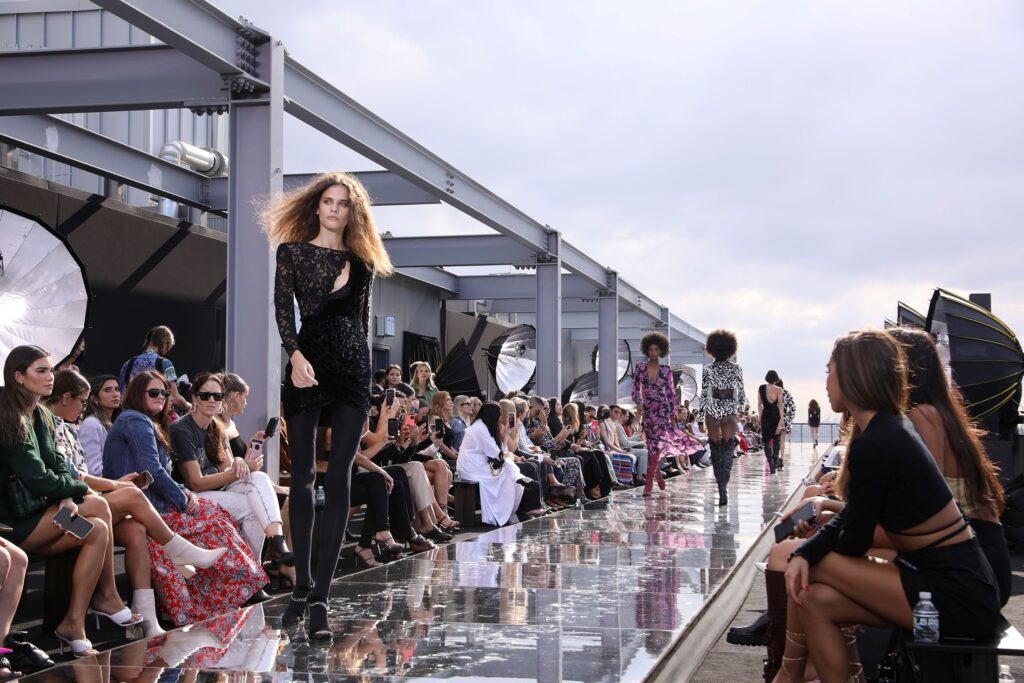
The real story, however, lies in what this calendar reveals about the evolving identity of New York Fashion Week.Rather than pursuing scale alone, this season’s schedule reflects a deliberate balance between established American fashion houses, emerging creative voices, and policy-led industry change.
The week opens with a significant creative transition as Henry Zankov presents his debut collection as creative director of Diane von Furstenberg, before concluding with Thom Browne, a designer whose conceptual approach continues to define American luxury on the global stage. Together, the opening and closing shows frame a week built equally around heritage and reinvention.
The returning roster reinforces New York’s commitment to commercial strength.Brands including Calvin Klein Collection, Michael Kors Collection, Tory Burch, Carolina Herrera, Khaite, Altuzarra, Anna Sui, Proenza Schouler, and LaQuan Smith represent the foundations of contemporary American fashion, while the return of Tommy Hilfiger, Monse, and ThreeASFOUR adds renewed momentum to the calendar.
Equally noteworthy is the number of first-time participants.The inclusion of designers such as Magda Butrym, Conner Ives, Patrick Taylor, and Sabyasachi signals New York Fashion Week’s growing willingness to embrace international perspectives alongside American talent. The continued integration of CFDA/Vogue Fashion Fund finalists further demonstrates the event’s role as both a commercial marketplace and a platform for emerging design innovation.
For Indian fashion, the appearance of Sabyasachi on the official New York Fashion Week calendar represents another milestone in the global recognition of luxury Indian design. It reflects an industry that is increasingly viewing craftsmanship and cultural identity as internationally relevant rather than geographically confined.

Beyond individual brands, the schedule also reveals an increasingly strategic approach to programming.Major presentations by Ralph Lauren, Coach, Cult Gaia, Libertine, and Rachel Comey have been positioned immediately before the official calendar begins, extending the industry’s attention beyond the traditional six-day format. This staggered approach maximises media visibility while allowing heritage brands to command dedicated news cycles.
Perhaps the most significant development, however, has little to do with the collections themselves. Spring/Summer 2027 marks the first season in which every designer participating on the official New York Fashion Week schedule must comply with the CFDA’s fur-free policy. First announced in 2025, the regulation transforms sustainability from an individual brand decision into an industry-wide standard for one of fashion’s most influential weeks.
This shift reflects a broader evolution taking place across global fashion capitals. Increasingly, fashion weeks are becoming platforms for shared industry values as much as they are showcases for creative expression.
As New York prepares for Spring/Summer 2027, the preliminary calendar suggests a fashion week focused less on chasing volume and more on strengthening identity. Heritage brands remain central, emerging designers continue to gain visibility, international voices are becoming increasingly prominent, and sustainability is moving from aspiration to expectation.
For the global industry, the schedule offers an early indication that New York Fashion Week is refining its role, not by becoming bigger, but by becoming more intentional.