Business
Is Indian Fashion Industry Entering a “Two-Speed Economy” Era?
Indian economy may still be showing resilience on paper, but beneath the macro headlines, the fashion industry is beginning to reveal a far more uneven reality.
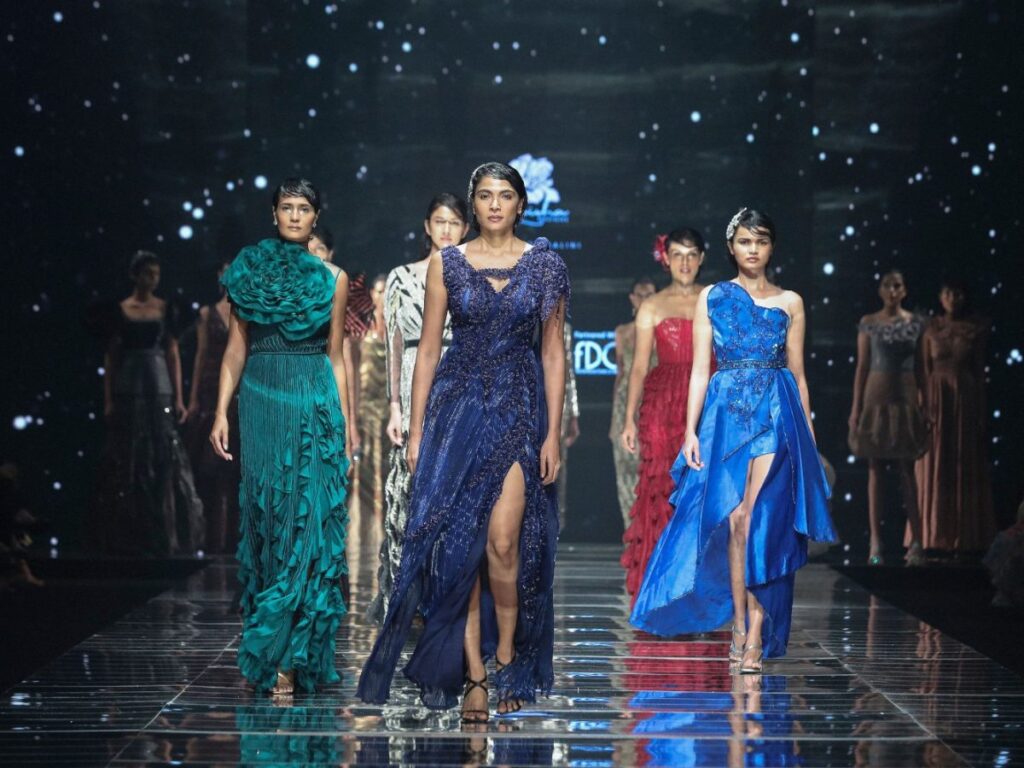
The current market is no longer moving in one direction. Instead, Indian fashion is splitting into two sharply different consumption ecosystems:
- Value-driven mass retail focused on affordability and volume
- Premium and luxury segments driven by aspiration, experience, and emotional consumption
The middle layer, historically the foundation of India’s fashion growth story, is increasingly under pressure.
That shift could fundamentally reshape how Indian fashion brands position themselves over the next five years.
The Indian Consumer Has Not Stopped Spending, They’ve Become More Selective
One of the most important misconceptions in fashion retail today is the idea that demand has disappeared.
Demand still exists. But consumer psychology has changed.
Recent industry analysis shows Indian consumers are becoming far more intentional with discretionary spending, especially across apparel and lifestyle categories. Rising inflation, higher living costs, global uncertainty, and pressure on household savings are slowing impulse-led fashion consumption.
Fashion purchases are increasingly being filtered through three questions:
- Does this feel worth the money?
- Will this last?
- Does this elevate my identity?
That’s why the industry is simultaneously witnessing the rise of both ultra-value fashion and accessible premium.
The middle market, brands positioned without clear value leadership or emotional premium positioning, is becoming the most vulnerable segment.
India’s “Affordable Premium” Boom Is Quietly Reshaping Fashion Retail
According to a recent Deloitte India report, mid-premium apparel priced between ₹3,500 and ₹7,000 is among the fastest-growing segments in the country, projected to grow at approximately 25% CAGR, while premium apparel is expected to grow even faster at over 45% CAGR.

This is a critical signal for Indian designers and fashion entrepreneurs.
Indian consumers are not necessarily rejecting premium pricing anymore. They are rejecting unclear value.
The report also highlights:
- Nearly 40% of consumers tried new fashion brands in the past year
- Around 30% of shoppers now consider in-store experience and sensory engagement important purchase drivers
- Consumers are increasingly prioritizing craftsmanship, quality, and storytelling over pure discount-led buying
This explains why categories like occasionwear, designer prêt, accessible luxury, and culturally rooted premium labels continue showing resilience despite broader economic caution.
The modern Indian consumer still wants aspiration. But they now expect emotional justification alongside pricing.
The Market Is Splitting Between Zudio and Luxury
One of the clearest structural changes in India’s fashion economy is the collapse of the “safe middle.”
Industry reports increasingly point toward a bifurcated market:
- Aggressive value retail on one side
- Premium and luxury fashion on the other
Value retail chains continue scaling rapidly because inflation-sensitive consumers are prioritizing affordability and frequency. Wazir Advisors data shows value fashion retailers posted a 24% CAGR between FY20 and FY25, with the segment’s share of organized retail rising from 18% to 29%.
At the same time, premium fashion continues attracting affluent urban consumers who remain relatively insulated from broader economic pressure.
This “K-shaped consumption” pattern is no longer limited to global luxury markets. India is beginning to mirror the same structure seen internationally, where aspirational middle consumers are slowing down while high-income consumers continue spending.
For Indian fashion businesses, this creates a difficult strategic question:
Are you building for scale, or are you building for aspiration?
Because trying to occupy both positions simultaneously is becoming increasingly difficult.
Why Tier-2 India May Become Fashion’s Next Battleground
Even as metro markets mature, premium consumption is rapidly expanding beyond traditional luxury hubs.
Recent retail analysis shows luxury and premium brands are increasingly targeting Tier-2 and emerging urban markets such as Chandigarh, Jaipur, Indore, Kochi, and Mangaluru.
This matters because aspirational consumption in India is no longer geographically concentrated.
Social media exposure, creator culture, celebrity fashion visibility, and digital commerce have collapsed traditional luxury access barriers. Consumers in smaller cities now engage with fashion trends at nearly the same speed as metro audiences.
However, their spending behavior remains highly selective.
This creates major opportunities for Indian brands that can balance:
- premium storytelling
- culturally rooted identity
- accessible pricing psychology
- strong digital-first community building
The brands likely to win the next decade are not necessarily the loudest luxury labels. They are the ones capable of making consumers feel emotionally elevated without appearing financially irresponsible.
The Bigger Risk Facing Indian Fashion
The real threat to Indian fashion is not a slowdown in demand alone.
It is strategic confusion.
Too many emerging brands today operate in an undefined middle ground:
- not affordable enough for value consumers
- not differentiated enough for premium consumers
- and not culturally distinct enough to build emotional loyalty
Globally, the fashion industry is already moving toward what McKinsey & Company calls a “luxury recalibration,” where consumers increasingly expect stronger creativity, product quality, and storytelling instead of endless price escalation.
India is entering its own version of that transition.
The future growth of Indian fashion will likely depend less on trend velocity and more on brand clarity.
Because in the current economy, consumers are still willing to spend. They’re just becoming far more careful about who deserves that spend.