Lifestyle
Is the Met Gala Still Just a Red Carpet? Inside Met Gala Culture, and What 2026 Will Redefine
The Met Gala has never been just a spectacle. It is fashion’s most public stress test, where the industry negotiates its relationship with art, authorship, and cultural authority in real time.
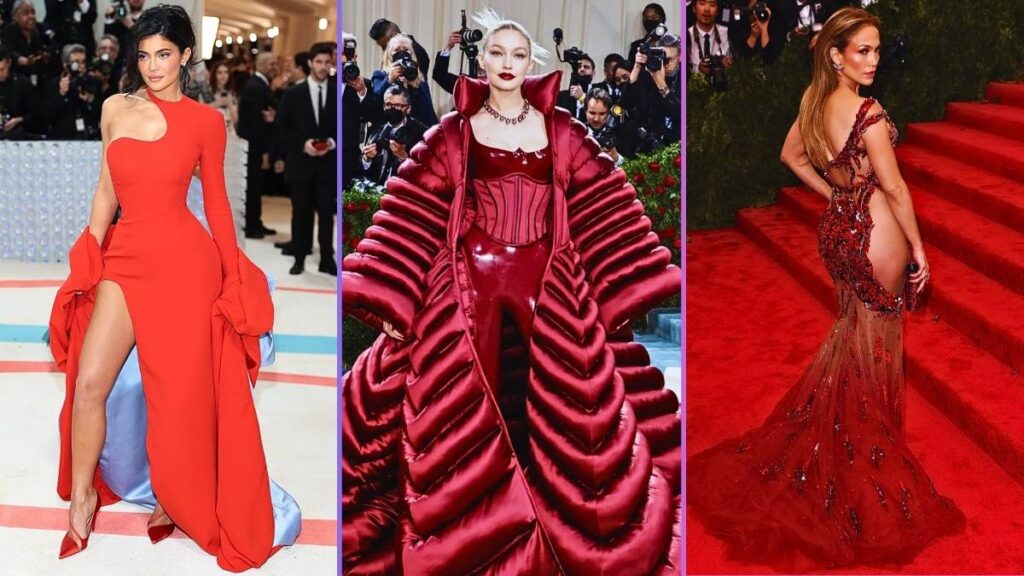
What changes in 2026 is not the scale of the event, but the criteria of success.
Costume vs. Clothing Is the Wrong Debate
Fashion has long been defensive about “costume,” as if theatricality undermines legitimacy. In reality, costume is where fashion communicates most clearly. It exaggerates, distills, and signals intent without compromise.
The Costume Institute has always understood this, framing garments as cultural objects rather than products. The disconnect has been on the carpet, where designers often default to literalism or visual noise instead of concept-driven execution.
2026 marks a shift away from that. Not toward minimalism, but toward precision.
Fashion No Longer Needs Artistic Validation
The older hierarchy placed fashion adjacent to art, seeking institutional approval. That model is outdated.
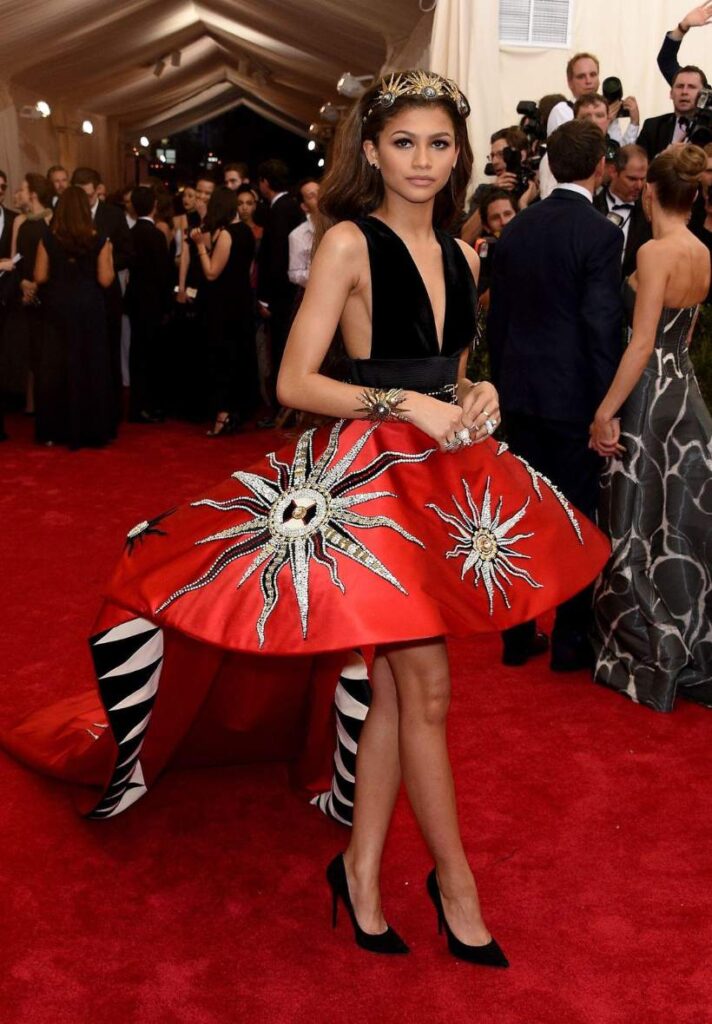
Today, fashion operates with its own intellectual and cultural framework. Runways function as installations; campaigns operate as narrative media. The Met no longer elevates fashion into art, it exposes which designers already think like artists.
That distinction matters. The expectation is no longer visual impact alone, but conceptual integrity that survives beyond the red carpet moment.
Interpretation Is Dead. Control Is the Metric.
The industry still approaches the Met theme as an interpretation exercise. That instinct is becoming irrelevant. 2026 is about control.
Control of silhouette, so it registers instantly on screen. Control of material, so texture holds under extreme close-up. Control of narrative, so the look fragments across platforms without losing meaning.
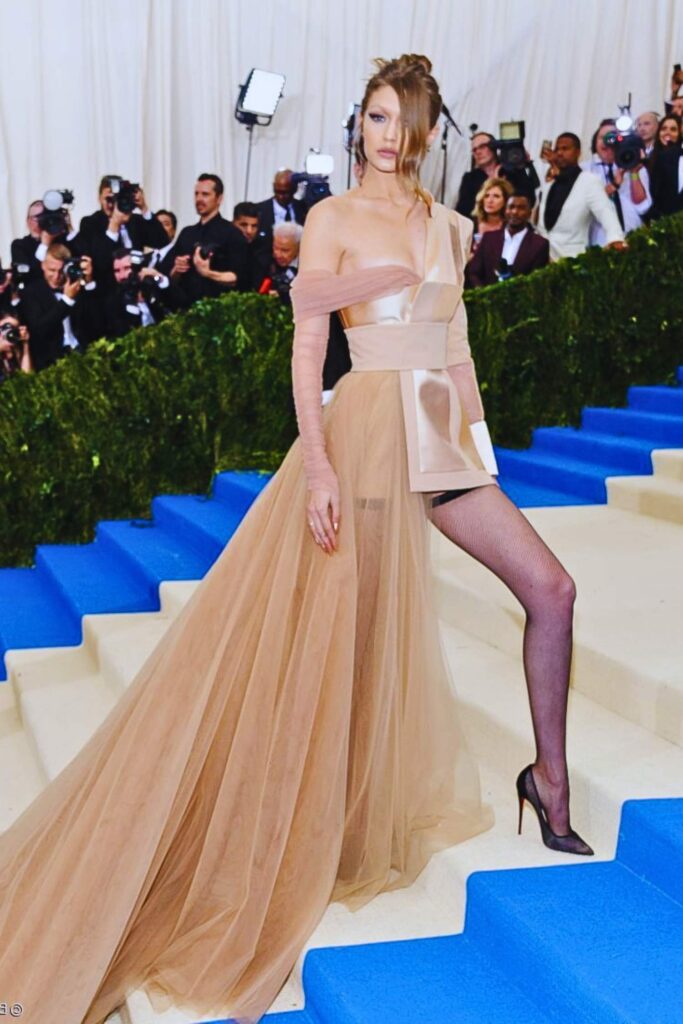
The red carpet is now a distribution system. A look is not consumed once; it is replayed, cropped, slowed, and recirculated within minutes.
Design that cannot survive this fragmentation fails, regardless of its conceptual ambition.
The Decline of Theatrical Excess
Scale used to guarantee impact. It no longer does.
In a feed-driven environment, excess without hierarchy becomes unreadable. The eye has nowhere to land, and the image loses retention value.
Expect 2026 to prioritize engineered exaggeration over uncontrolled spectacle. Architectural tailoring, material innovation, and disciplined form will outperform volume and embellishment.
This is not restraint. It is clarity.
Celebrity as Distribution, Not Identity
The role of the celebrity has quietly inverted.
They are no longer the focal point. They are the medium through which the garment circulates. Every look is constructed for multi-format visibility, from wide shots to micro-details.
This forces a different design logic. Elements must function independently, a neckline in a crop, a fabric in motion, a silhouette in partial frame. The garment is no longer a single image; it is a system of images.
What 2026 Actually Decides
Visibility is no longer the prize. Saturation has eliminated that advantage.
Memorability, however, is now compressed into seconds.
The designers who will dominate the Met Gala in 2026 are not those who push the loudest ideas, but those who structure them most effectively. Concept and clarity are no longer opposing forces; they are interdependent.
The Met is no longer about dressing for the room. It is about designing for the afterlife of the image.
And in 2026, that afterlife is the only place that matters.