Insights
Chanel’s Move to Rome for Métiers d’Art 2026/27 Reflects a Larger Shift in Luxury Storytelling
Luxury fashion’s most anticipated transitional chapter may not arrive on a Paris runway at all. Instead, Chanel is turning toward Rome for its upcoming Métiers d’art 2026/27 presentation, positioning the Eternal City as the backdrop for what could become one of the house’s most defining aesthetic shifts in years.
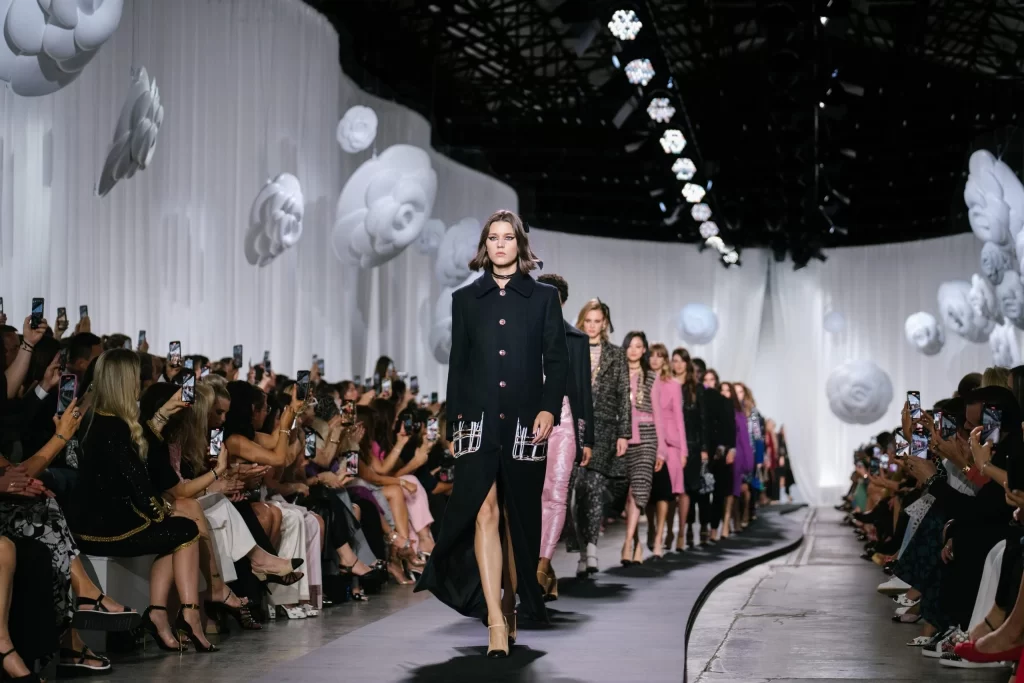
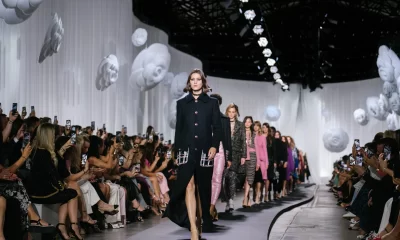
Scheduled for December 2, the upcoming Métiers d’art showcase marks more than a destination change. It signals the continuation of a broader creative recalibration under Matthieu Blazy, whose evolving vision for Chanel is beginning to reshape how heritage luxury communicates with a younger, image-driven generation.
For decades, Chanel’s Métiers d’art collections have functioned as living tributes to craftsmanship, spotlighting the maison’s network of artisanal ateliers through destination-led storytelling. But Rome introduces a particularly symbolic layer. Unlike the polished theatricality of previous locations, the Italian capital carries an emotional rawness, steeped in faded grandeur, cinema history, and artisanal romanticism. It is a city where decadence and imperfection coexist naturally, making it an unexpectedly fitting stage for Blazy’s increasingly textured approach to luxury.
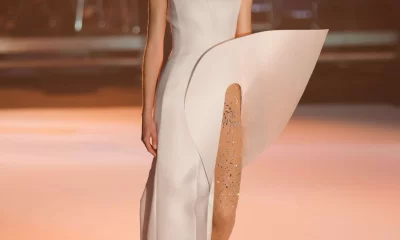
Early indicators from his direction suggest a departure from rigid archival reverence toward something more instinctive and tactile. While Chanel’s foundational codes remain intact, the silhouettes are softening. Structured tailoring is evolving into fluid forms through ribbed merino wool, silk blends, and elongated proportions that feel less ceremonial and more lived-in.
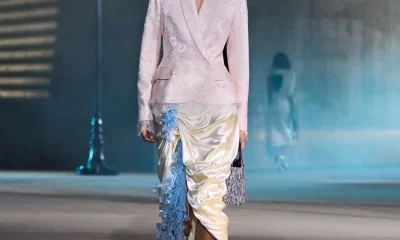
The transformation is particularly visible in material experimentation. Traditional tweeds, long considered the house’s visual signature, are being reinterpreted through trompe-l’œil effects, metallic surfaces, and iridescent textures that blur the line between couture craftsmanship and visual illusion. Under Blazy, fabric itself becomes narrative, shifting from static luxury into something cinematic and emotionally charged.
What makes this evolution compelling is its refusal to abandon playfulness. Recent collections hint at a growing fascination with “urban jungle” motifs, where zebra stripes, crocodile textures, feathered embellishments, and animalistic patterns interrupt Chanel’s traditionally restrained elegance. Instead of feeling disruptive, these elements inject vitality into iconic house staples like the tweed jacket and cap-toe heel, transforming familiar silhouettes into objects of contemporary fantasy.
The move reflects a broader industry trend where heritage brands are increasingly balancing preservation with spectacle. Consumers no longer engage with luxury solely through exclusivity; they engage through imagery, emotional storytelling, and cultural energy. Blazy appears acutely aware of this shift. His Chanel is not attempting to modernize by erasing history, but by allowing history to interact with contemporary visual culture.
Rome, therefore, becomes more than a location. It becomes a metaphor for the house’s current identity, historic yet alive, polished yet chaotic, deeply rooted yet constantly evolving.
As anticipation builds for the December presentation, the Métiers d’art 2026/27 collection is shaping up to be less about nostalgia and more about transformation. In the hands of Matthieu Blazy, Chanel’s craftsmanship legacy may be entering its most emotionally expressive era yet.