Culture
Textile Statecraft: Why Zardozi and Marodi Are Once Again Defining the Language of Luxury
There are moments when we look at a runways and realise that they are no longer about silhouettes. The garment may arrive in a familiar shape, but what truly commands attention is the labour embedded within it, the metallic threads, the raised textures, the quiet evidence of hands that have spent hundreds of hours constructing something machines still struggle to imitate.That fact has become increasingly difficult to ignore for the stakeholders.
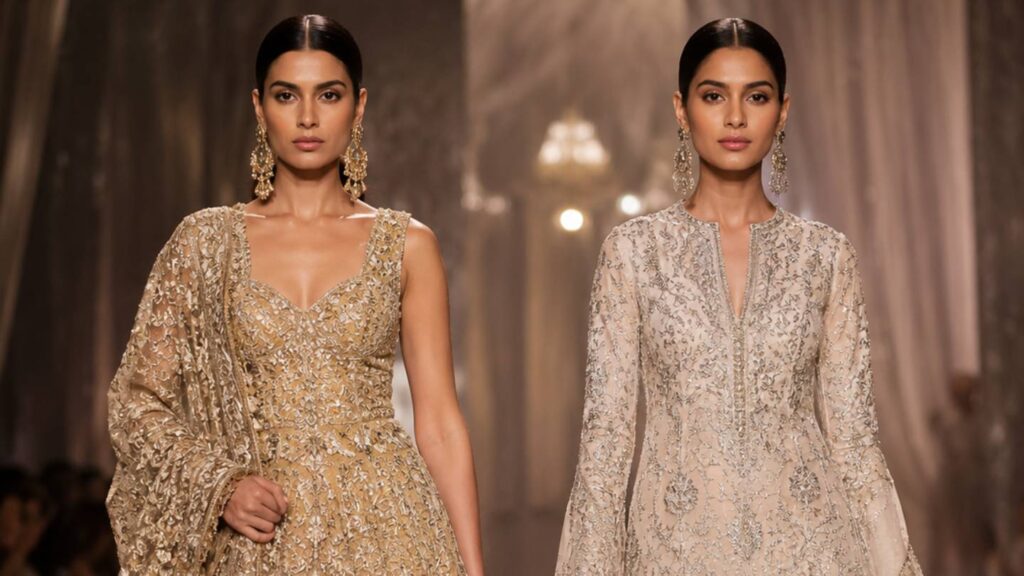
Across couture collections, bridal presentations and luxury editorials, heavy Indian embroideries have moved from supporting embellishments to becoming the principal design statement. Designers are not simply decorating garments anymore. They are allowing textile craftsmanship to dictate the visual identity of entire collections. Among the many techniques witnessing this renewed prominence, two continue to dominate the conversation, Zardozi and Marodi.They are often spoken of together. They should not be.
At first glance, both employ metallic threads and create richly ornamented surfaces. To the consumer, they may appear interchangeable. To the designer, however, they solve entirely different creative problems.
Zardozi is an exercise in visual abundance. Historically associated with royal patronage, it evolved as an embroidery system capable of accommodating an extraordinary range of decorative materials. Metallic threads coexist with dabka, nakshi, salma, sequins, beads, pearls and stones, allowing artisans to construct layered surfaces that constantly shift under changing light.
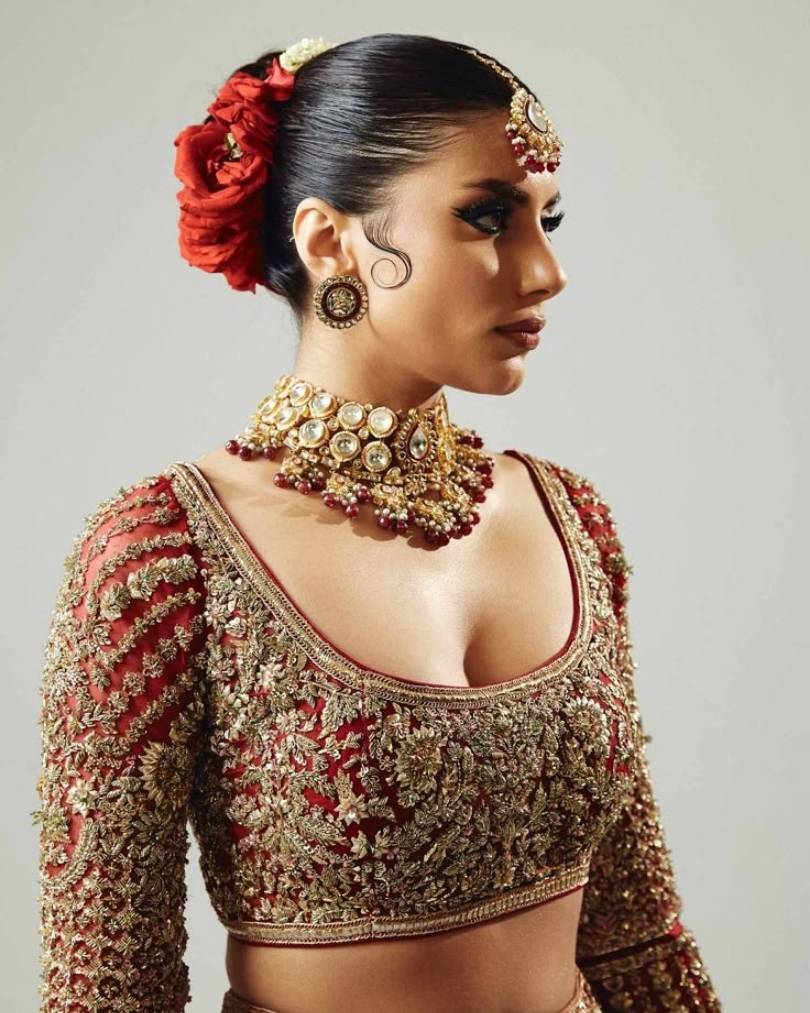
Its strength lies in versatility. A designer can use Zardozi to produce delicate floral compositions, intricate architectural motifs or densely embroidered couture without losing fluidity. Every additional material introduces another dimension, making the embroidery feel alive rather than static. Marodi, by contrast, speaks a quieter but firmer language.
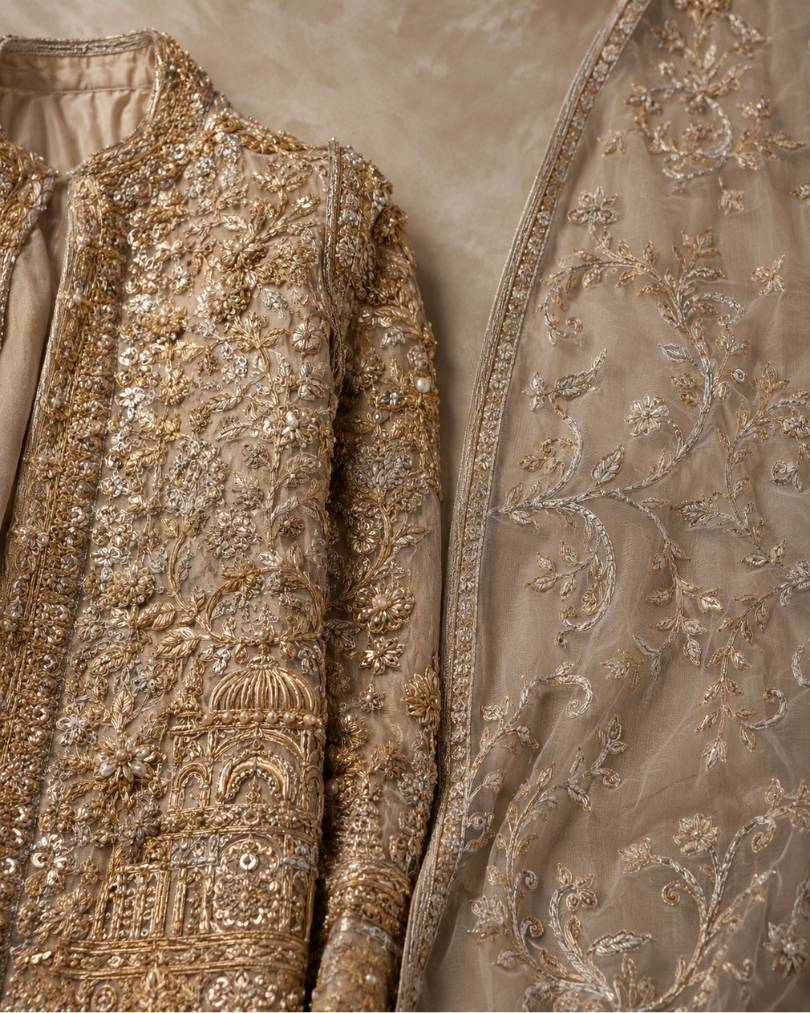
Its objective is not decorative variety but structural discipline. The embroidery relies primarily on tightly couched metallic wires or threads that create continuous fields of texture with remarkable precision. Instead of sparkle emerging from multiple embellishments, Marodi generates a sustained metallic presence. The effect is sculptural, almost armour-like, lending garments an authority that is difficult to achieve through fabric alone. This distinction explains why the two techniques continue to coexist rather than compete.
Where Zardozi celebrates ornamentation, Marodi celebrates construction. Where Zardozi creates movement through layered embellishment, Marodi creates permanence through disciplined repetition. Both ultimately arrive at luxury, but they travel entirely different routes.Their resurgence is also telling us something about the direction of contemporary fashion.
For nearly a decade, luxury often equated refinement with restraint. Minimal surfaces, clean tailoring and subtle branding became the preferred vocabulary. That equation now appears to be changing. Increasingly, designers are finding value in garments that reveal rather than conceal the complexity of their making. Craftsmanship has itself become a luxury language.
Consumers no longer ask only who designed a garment. They increasingly ask how it was made, how many artisans contributed to it and what traditions it carries forward. The embroidery is no longer functioning as decoration. It has become evidence. This evolution has particular significance for Indian textile heritage.
For generations, techniques such as Zardozi and Marodi were largely discussed within the context of bridal fashion or ceremonial clothing. Today, they are appearing across sharply tailored jackets, structured corsets, evening gowns, accessories and contemporary couture. Designers are extracting these embroideries from predictable categories and introducing them into new design vocabularies without diluting their technical identity. That transition represents more than aesthetic experimentation. It reflects growing confidence in presenting Indian craftsmanship as a design philosophy rather than a cultural reference. The distinction matters.
When heritage techniques are treated merely as decorative accents, they remain secondary to the garment. When they begin determining silhouette, texture, proportion and construction, they become central to the creative process itself. That is precisely what is unfolding on today’s runways.
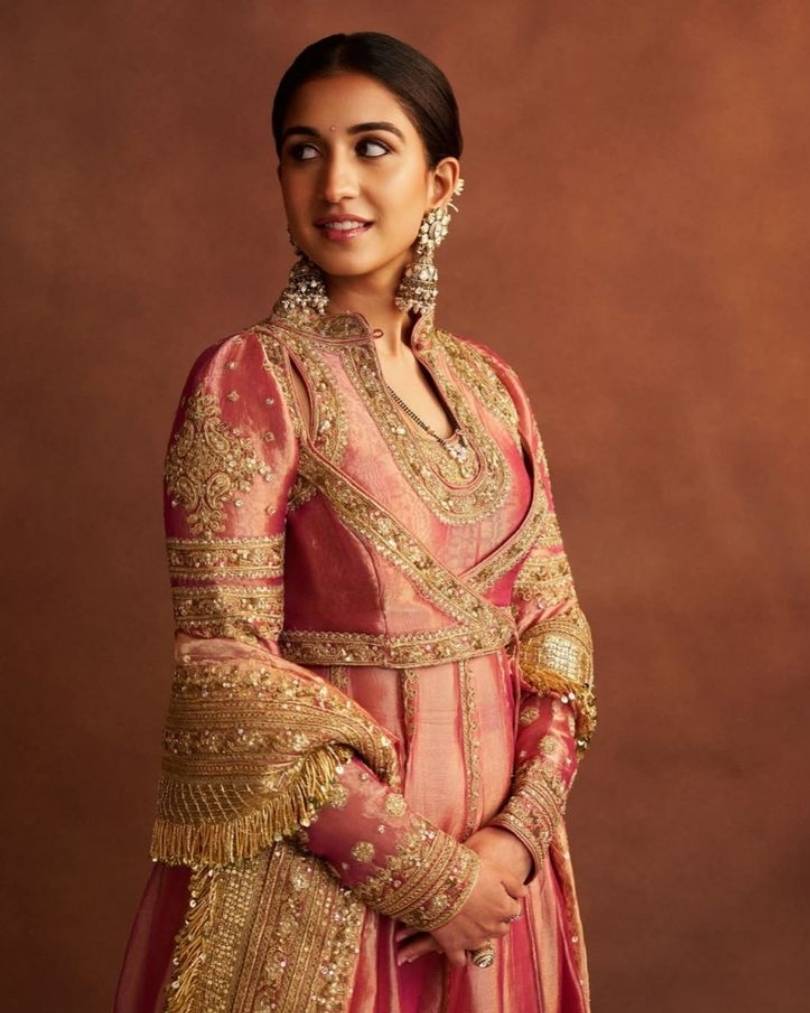
It is equally important to recognise that the value of these embroideries extends beyond visual impact. Both demand exceptional technical knowledge accumulated over generations of artisans. Their execution cannot be separated from the communities that preserve them. Every finished garment carries with it an invisible archive of manual skill, patience and inherited expertise.
As fashion continues to navigate conversations around authenticity, sustainability and responsible luxury, these craft traditions acquire renewed relevance. They remind the industry that innovation does not always require new materials or digital technologies. Sometimes it begins by returning to techniques that have endured precisely because they were built on mastery rather than speed. Perhaps that is why Zardozi and Marodi continue to captivate designers across continents.
Not because they are elaborate and certainly not because they are historical. But because they embody something increasingly rare in contemporary luxury, craftsmanship that cannot be hurried, replicated or industrialised without losing the very qualities that make it valuable.
In an industry often preoccupied with the next trend, these embroideries offer a quieter proposition. They suggest that the future of luxury may not lie in abandoning tradition, but in recognising that some of fashion’s most compelling innovations have always been stitched into its past.