Culture
Biggest Shift of Indian Couture Isn’t Ready-to-Wear, It’s the Rise of “Fast Luxury” | Indian Couture Trends 2026
Indian couture trends 2026 are signaling a new phase where exclusivity is no longer enough on its own. Increasingly, luxury consumers expect couture to deliver both personalization and speed, forcing designers to balance emotional craftsmanship with operational immediacy.
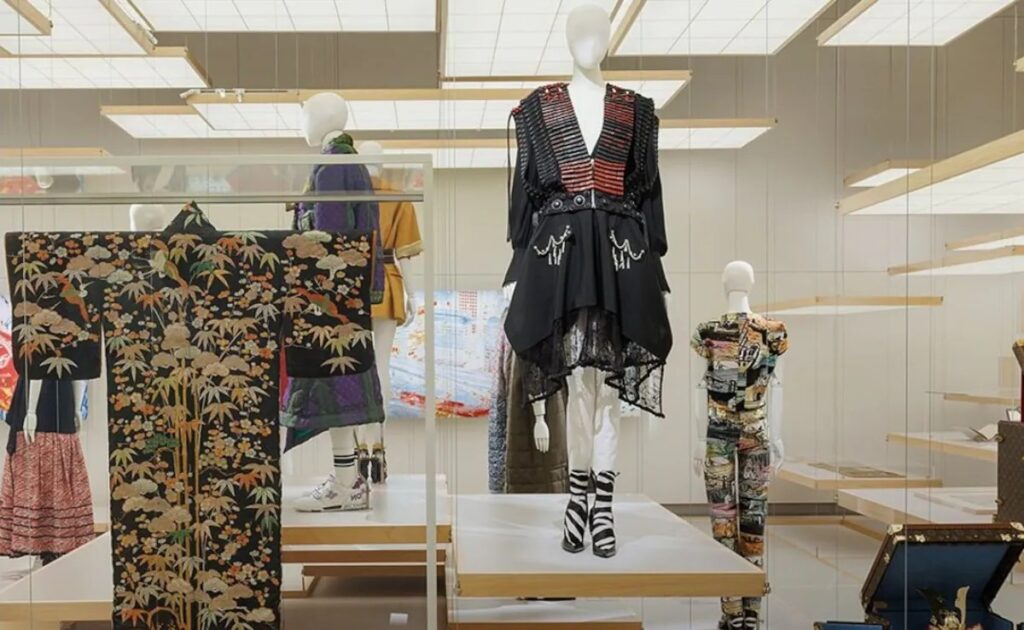
But while demand continues expanding, consumer behaviour is changing rapidly. Average trend cycles in fashion have compressed from roughly 12 months to under 6 weeks due to short-form digital content ecosystems.
According to Gopika Midha of Gopika Couture on Indian couture trends 2026, the conversation today is no longer about choosing between bespoke luxury and convenience. Clients increasingly expect both simultaneously.
“The idea of exclusivity versus immediacy is, in many ways, defining the current luxury fashion narrative,” the label shared during a recent Fashion Herald industry discussion.
“While there is undoubtedly a growing demand for faster timelines and Ready-to-Wear solutions, especially among modern consumers balancing aspiration with convenience, we believe bespoke couture still holds a deeply emotional place in Indian fashion.”
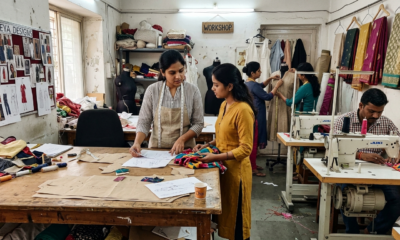
That distinction reflects a broader structural transformation taking place across the luxury market. Globally, younger consumers are increasingly drawn toward flexible luxury consumption models that combine accessibility with emotional personalization. In India, this has accelerated the rise of hybrid couture systems, where designers operate across bridal couture, semi-custom occasionwear, and premium ready-to-wear simultaneously.
The reason is partly economic. Today’s affluent luxury consumer often operates inside compressed event timelines shaped by destination weddings, social-media visibility cycles, and faster consumption habits. Couture businesses are therefore under pressure to reduce production timelines without diluting exclusivity. Yet bridalwear remains emotionally resistant to complete commodification.
“Bridalwear, in particular, is rarely viewed as just clothing, it is memory, identity, and storytelling woven into fabric,” Gopika explained. “Clients today may seek efficiency, but they still crave individuality.”
Clients today arrive with saved Instagram posts, Pinterest boards, celebrity screenshots, and viral runway references long before their first consultation.
“We are seeing an increasingly informed client,” the label noted, “someone who arrives with references, inspiration boards, and a strong visual language.”
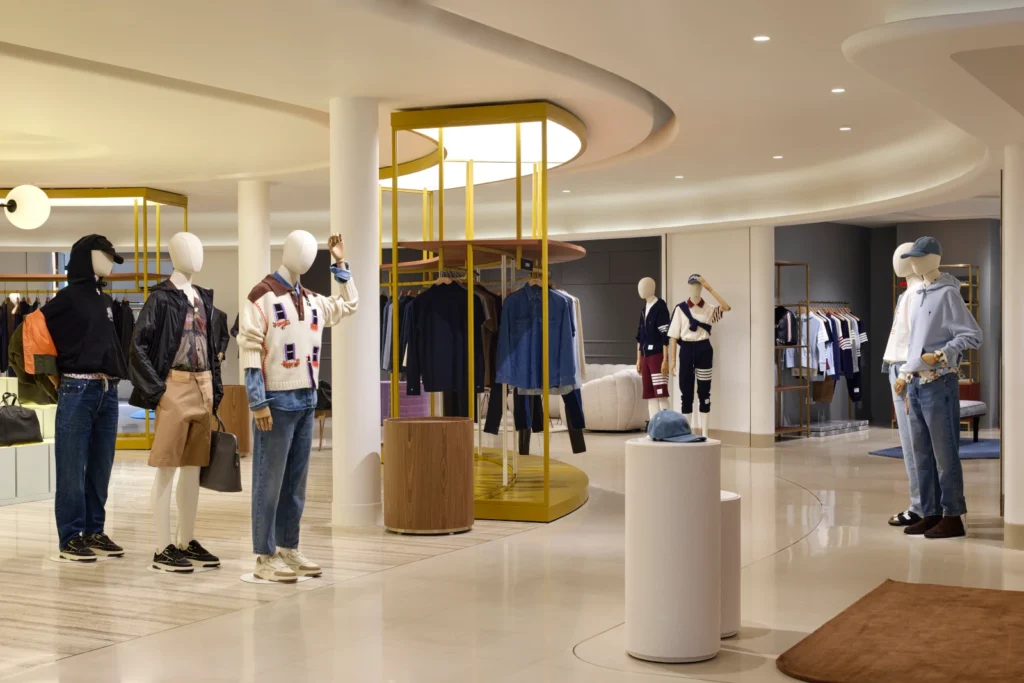
This behavioural change has intensified conversations around “copy culture” within Indian luxury fashion, particularly as screenshot-shopping and replica manufacturing continue expanding across bridal markets.India’s counterfeit and grey luxury fashion economy is currently growing at an estimated 15% CAGR in certain segments, driven heavily by viral bridal imagery being recreated through local production hubs at a fraction of original couture pricing.
But Gopika Couture views this phenomenon with more nuance than outright resistance. “Clients do occasionally request recreations of existing designs; however, we see this less as imitation and more as a starting point for dialogue.”
“Inspiration has always existed in fashion,” the label shared, “but true luxury lies in interpretation, craftsmanship, and personalisation.”
This may ultimately become the defining competitive advantage for Indian couture over the next decade. As visual references become universally accessible online, originality alone may no longer function as luxury currency. Instead, emotional customization, craftsmanship quality, and designer-client collaboration may become the real markers of exclusivity.
The statement aligns with a larger generational shift happening across luxury industries globally. Younger consumers increasingly value identity-driven ownership over status-driven consumption. What they seek is not simply uniqueness in product, but uniqueness in emotional experience.
This is why, despite the rise of fast-moving trend cycles and ready-to-wear demand, bespoke couture continues holding cultural power within India’s luxury ecosystem.
“In an era where trends move faster than ever, authenticity has become the new exclusivity,” Gopika Couture observed. That may be the most important insight shaping the future of Indian luxury fashion.
“Clients may admire what already exists,” the desinger concluded, “but what they ultimately remember, and cherish, is something created uniquely for them.” For India’s couture industry, the next growth phase may therefore not depend on whether ready-to-wear overtakes bespoke fashion.
Instead, it may depend on which brands successfully build systems capable of delivering emotional exclusivity within an increasingly speed-driven luxury economy.