interview
The Eye Behind the Runway: Dr. Mark Gunter on Photographing Fashion Beyond the Clothes
To the untrained eye, runway photography appears deceptively straightforward. A model walks, the camera clicks, and within moments the images are circulating across newsrooms, social media feeds, brand channels, and fashion archives worldwide. Yet behind every photograph lies a series of split-second decisions that determine whether an image merely documents a look or truly preserves a designer’s vision.
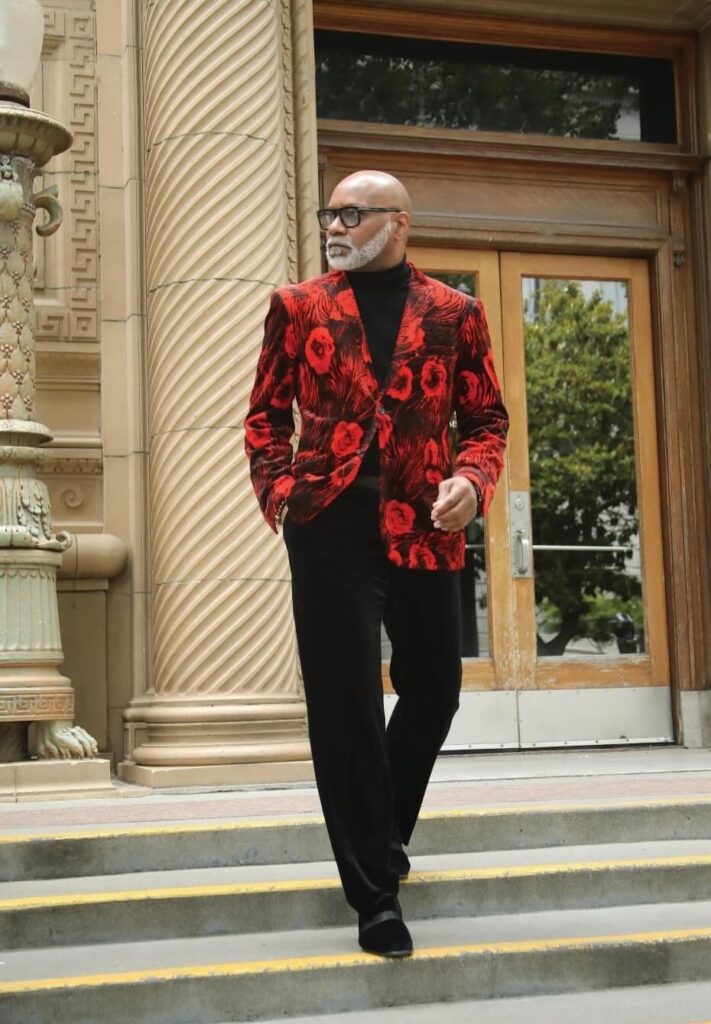
For over fifteen years, Dr. Mark Gunter has occupied one of the most demanding positions in the fashion industry. As a senior runway photographer for Getty Images, he has spent countless fashion weeks photographing collections under intense time pressure, often alongside dozens of photographers capturing the exact same runway, the same model, and the same collection. While many would assume success in such an environment depends on speed or technical precision alone, Gunter believes the defining factor is something far less tangible: the ability to see beyond the obvious.
His philosophy reveals that runway photography is not simply about fashion. It is about observation, empathy, anticipation, and understanding that every collection represents the work of an entire creative ecosystem.
Looking Beyond the Garment
One of the most striking aspects of Gunter’s approach is that he never considers the model to be the sole subject of his photographs. Instead, he views every runway presentation as a carefully orchestrated collaboration, where every creative decision deserves equal attention.
“For the past fifteen years as a runway photographer, I have approached fashion photography with a deep sense of observation and appreciation for every element that contributes to a presentation,” he says. “When I capture a model walking down the runway, my focus extends far beyond the individual in front of the lens.”
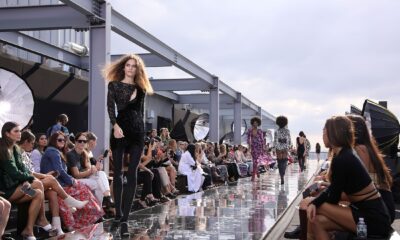
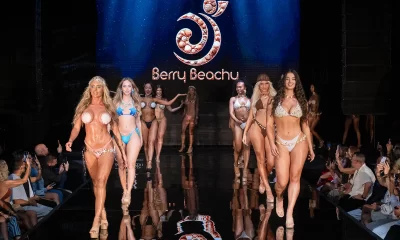
That perspective transforms the purpose of the photograph itself. While audiences naturally gravitate toward the garment, Gunter is simultaneously documenting the hairstylist’s work, the makeup artist’s vision, the stylist’s decisions, the footwear, the accessories, the lighting, and the production design that frames the entire experience. Every frame, in his eyes, becomes a record of collaboration rather than a portrait of a single individual.
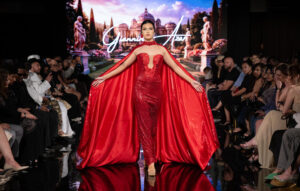
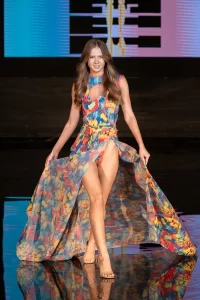
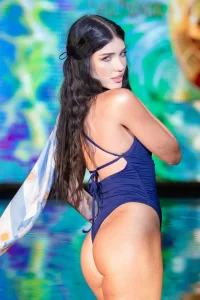
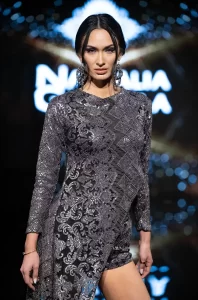
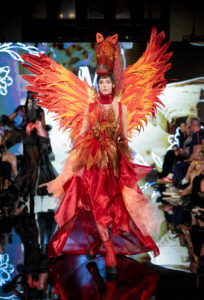
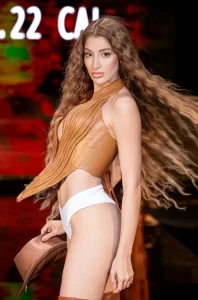
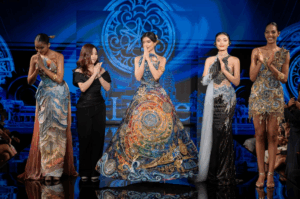
“My goal is to create images that reflect the full essence of the show,” he explains. “Every frame is an opportunity to preserve the collaboration between designers, stylists, makeup artists, production teams, and models.”
It is a reminder that runway photography occupies a unique place within fashion journalism. Unlike campaign photography, which often interprets a brand through artistic direction, runway imagery carries the responsibility of faithfully documenting the collection exactly as it was presented. Those photographs become references for buyers, editors, historians, retailers, and designers long after the lights have dimmed.
Standing Among Hundreds, Seeing Something Different
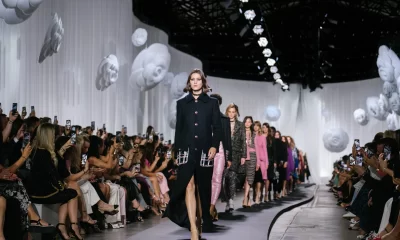
Fashion Week presents one of photography’s greatest paradoxes. Rarely do so many professionals stand in virtually identical positions, photographing identical subjects under identical lighting conditions. Yet when their photographs are published, no two portfolios look exactly alike.
Rather than viewing fellow photographers as competitors, Gunter focuses entirely on refining his own perspective.
“When I’m in an environment where multiple photographers are shooting the same looks, I never concern myself with what others are capturing,” he says. “My focus is on what I see through my own eyes and on creating the strongest image possible.”
His confidence stems from a belief that photography remains deeply personal despite advances in technology. Cameras can become faster, autofocus systems more intelligent, and editing software increasingly sophisticated, but none of these tools can replicate the individual perspective of the person behind the viewfinder.
“We all see the world differently,” he reflects. “We each bring our own perspective, experiences, and instincts to our work. In this industry, every photographer develops their own blueprint and visual language.”
In an age where artificial intelligence and automation continue to reshape creative industries, Gunter’s observation feels particularly relevant. Technical excellence may be expected, but originality continues to emerge from the photographer’s ability to interpret a moment rather than simply record it.
“The images that stand out are often the ones that reflect a photographer’s personal vision,” he says. “Technical skill is important, but perspective is what separates one image from another.”
The Art of Anticipating the Perfect Frame
Runway photography is often described as capturing fleeting moments. Gunter would argue that the best photographers are not reacting to those moments at all. They are anticipating them.
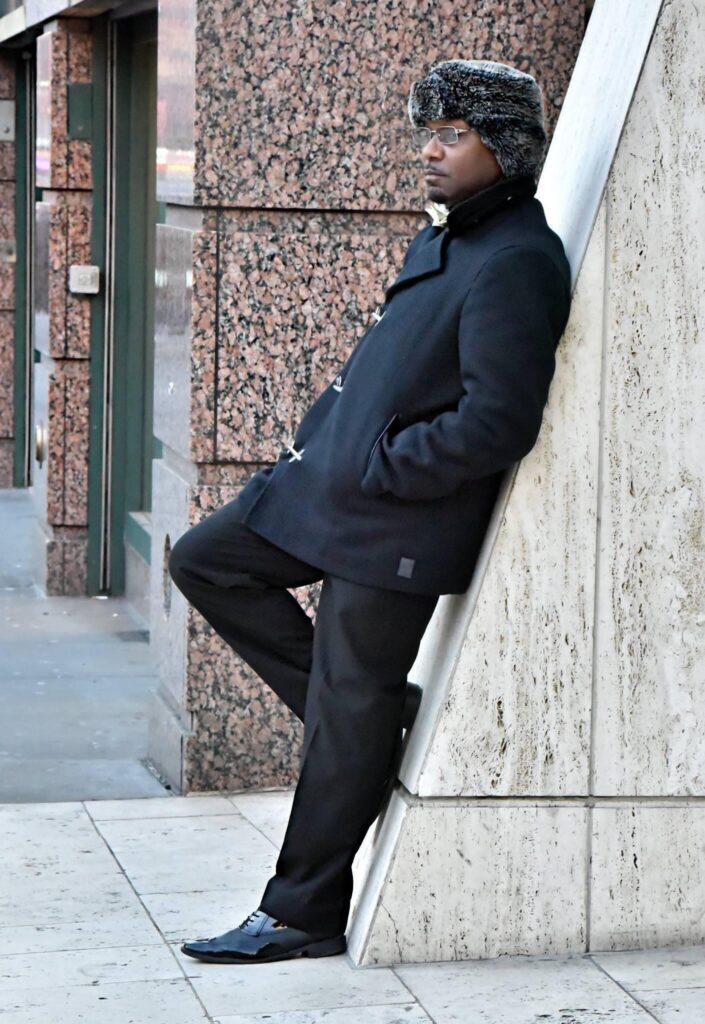
He describes runway photography as a careful balance between instinct and preparation, although anticipation consistently takes the lead. Years of experience have taught him to recognise patterns in movement before they unfold, allowing him to position himself mentally as well as physically for the decisive frame.
One piece of advice has become central to his philosophy, so much so that he shares it directly with models. “Make your first step your best step, and your last step your best step.”
Those two moments, he explains, frequently produce the strongest photographs because they naturally showcase posture, confidence, and the complete silhouette of the look. Yet timing alone does not guarantee a memorable image.
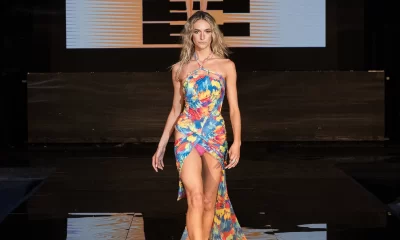
As each model approaches, Gunter looks first for eye contact. “The first thing I establish is eye contact,” he says. “In that instant, a connection is formed.”
That connection enables him to understand the model’s rhythm rather than merely observe it. Instead of mechanically pressing the shutter at predetermined intervals, he allows the model’s movement to guide his own timing.
“When that connection happens, you are no longer simply photographing someone walking. You are moving with them, anticipating their next expression, gesture, and pose.”
His description reveals that runway photography shares more with performance than documentation. Success depends on synchronising with movement, recognising subtle cues, and responding almost intuitively, all within a matter of seconds.
Speed Has Become Part of the Craft
The digital era has fundamentally transformed the expectations placed upon fashion photographers. Where publications once worked on print deadlines measured in days or weeks, today’s fashion ecosystem expects professionally edited imagery to reach media outlets almost as soon as the final look leaves the runway.
For Gunter, adapting to this pace has required more than simply working faster. It has redefined the structure of runway photography itself.
“With the rise of digital media and instant publishing, expectations for runway imagery have evolved significantly,” he says. “Today, there is a constant demand to deliver images to media outlets and brands almost immediately after a show concludes.”
While photographers often receive public recognition, Gunter is quick to acknowledge the invisible teams that make modern runway coverage possible. Editors, assistants, digital technicians, and production support have become indispensable to maintaining both speed and quality.
“Having reliable editors, assistants, and support staff allows photographers to maintain quality while keeping pace with the speed of the industry,” he explains. “Attempting to manage every aspect of the process alone can limit both efficiency and creativity.”
It is an important reminder that contemporary fashion coverage is no longer the work of an individual photographer alone. Like fashion itself, successful visual journalism has become increasingly collaborative, requiring specialised expertise at every stage of the workflow.
Preserving the Designer’s Vision
Throughout the conversation, one principle surfaces repeatedly: the photographer’s greatest responsibility is not to create a beautiful image but to honour the designer’s intent.
“Your responsibility is to capture the designer’s vision,” Gunter says.
For him, a successful runway photograph balances artistry with precision. It must communicate the emotional impact of the collection while accurately presenting every design detail, from the garment’s construction to its styling and finishing elements.
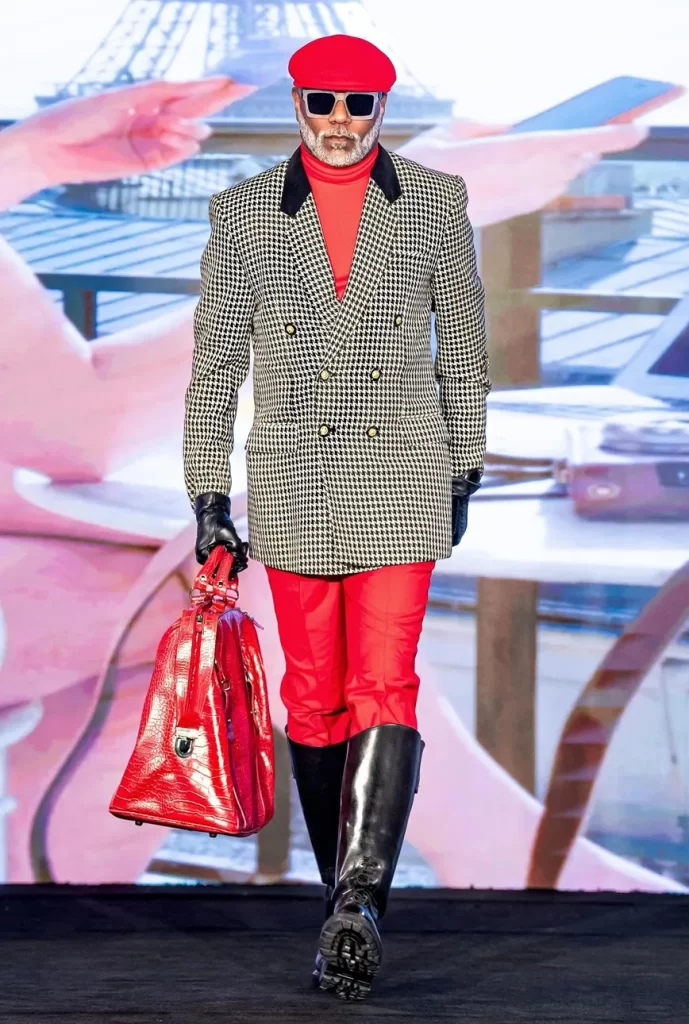
“From a brand and media perspective, a strong runway image is one that captures the complete look exactly as it was intended to be presented,” he explains. “The strongest images balance artistic impact with clear visual documentation.”
That philosophy explains why runway photography continues to hold enduring value beyond the excitement of Fashion Week. Buyers study those images before placing orders. Editors revisit them while identifying emerging trends. Designers analyse them as part of fashion’s evolving dialogue. Years later, they become historical records that define how collections are remembered.
A photograph, therefore, is not merely evidence that a look existed. It becomes the visual language through which the collection continues to speak.
Learning Before Photographing
When asked what advice he offers photographers hoping to break into Fashion Week, Gunter’s answer begins long before anyone picks up a camera.
Preparation, he believes, starts with observation.
Before photographing his first runway, he immersed himself in fashion magazines, studied runway coverage, and carefully analysed how experienced photographers approached the craft.
“I studied fashion magazines, reviewed runway imagery online, and analyzed how experienced photographers captured models and collections,” he recalls.
That research proved invaluable because runway photography differs fundamentally from controlled studio work. Unlike portrait sessions, where photographers can direct subjects and adjust lighting, runway photographers operate within constantly changing conditions. Models move quickly, lighting shifts between looks, and opportunities cannot be recreated.
More importantly, aspiring photographers must understand that the assignment extends beyond photographing a person wearing clothes.
“Your job is not simply to photograph the model,” Gunter says. “Your responsibility is to capture the designer’s vision.”
It is advice that encapsulates his entire philosophy. Technical knowledge may secure access to the runway, but genuine understanding of fashion, its collaborators, and its storytelling is what ultimately produces meaningful work.
Seeing Fashion as a Collective Creation
Listening to Mark Gunter speak about runway photography, it becomes clear that his camera has never been focused solely on fashion’s most visible figures. Instead, his lens serves as a bridge between every creative mind responsible for bringing a collection to life.
His photographs are not simply records of garments walking a runway. They are records of collaboration, craftsmanship, and countless creative decisions converging into a few unforgettable seconds.
Perhaps that is why his philosophy resonates beyond photography itself. In an industry often celebrated for individual brilliance, Gunter reminds us that fashion has always been a collective art. The photographer’s role is not to overshadow that collaboration, but to preserve it with honesty, precision, and respect.
When the runway disappears, the photograph remains. Long after the applause has faded and the lights have dimmed, it becomes the image through which designers, editors, buyers, historians, and audiences remember what they saw. According to Mark Gunter, capturing that responsibility begins not with pressing the shutter, but with learning to see the whole story before taking the picture.