Runways
Top Swimwear Trends to Expect at Miami Swim Week 2026
Miami Swim Week is no longer just a seasonal spectacle—it’s become a testing ground for where global resort wear is heading next. With its 2026 edition shifting its command center to the Mondrian South Beach, the conversation is evolving beyond aesthetics into something far more layered: conscious luxury with performance at its core.
This year’s runways won’t just sell escapism—they’ll sell intention. Fabric innovation, sustainability mandates, and engineered silhouettes are now as critical as visual impact. And if the early previews are anything to go by, the industry is done playing safe.
Below, we break down the defining trend pillars shaping Miami Swim Week 2026—and what they signal for the global swimwear market.
Miami Swim Week : The Editorial Guide, Schedule & Runway Trend Analysis
Tropical Maximalism Takes Over Minimalism
Minimalism had its moment. Now, it’s being aggressively replaced.
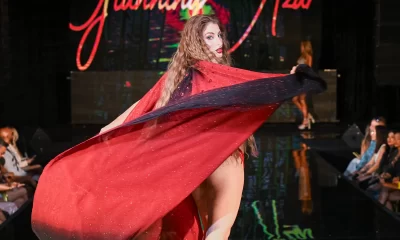
Expect a full-spectrum takeover of saturated color—paintbox reds, ultraviolet yellows, and deep burnt oranges engineered to stand out under high-intensity runway lighting and social media compression. These aren’t just bright for the sake of it; they’re designed for visibility across screens.
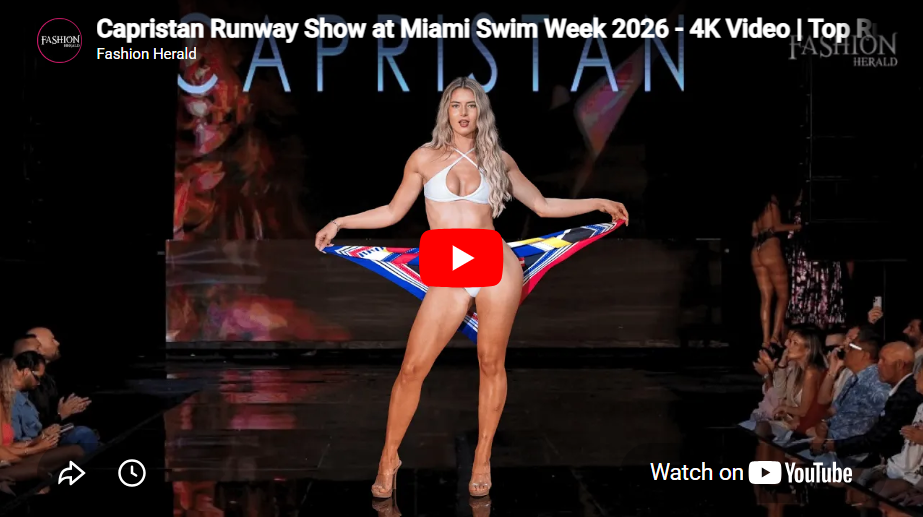
Silhouettes follow suit. Asymmetry dominates, with one-shoulder tops, uneven strap placements, and deliberately off-balance constructions. Animal prints return, but in amplified, almost graphic iterations rather than traditional resort clichés.
The message is clear: subtlety doesn’t trend anymore—impact does.
Hyper-Texture and the Rise of Tactile Swimwear
Flat fabrics are being phased out in favor of pieces that demand to be seen—and felt.
Crinkle textures, ribbed knits, and sculpted surfaces are emerging as dominant materials, creating depth without relying solely on color. The shift toward tactile swimwear is strategic: texture photographs better, elevates perceived luxury, and differentiates product in a saturated market.
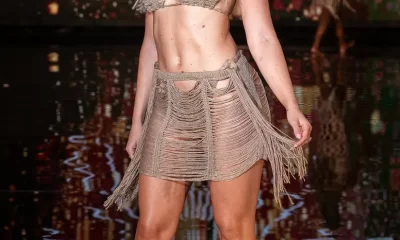
More interestingly, we’re seeing heritage techniques—macramé, hand embroidery, and artisanal weaving—integrated into performance-ready garments. This isn’t nostalgia; it’s repositioning craftsmanship within a high-function category.
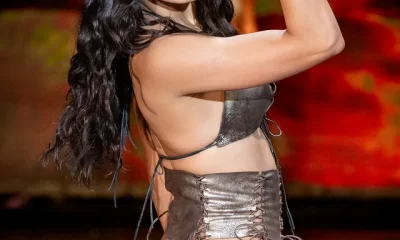
Liquid Metallics Move from Statement to Staple
Metallic swimwear is no longer reserved for editorial moments—it’s becoming commercially viable.
Designers are refining foil-like finishes that mimic molten gold and liquid silver, engineered to move fluidly with the body rather than appear stiff or costume-like. These pieces are designed for transition—beach to bar, daylight to nightlife—without requiring a wardrobe change.
The real shift here is technological. Advances in fabric coating and stretch compatibility are finally allowing metallics to function as everyday luxury rather than occasional spectacle.
The Return of the High-Leg and the Cut-Out Monokini
The 90s high-leg silhouette is back—with zero hesitation.
This time, it’s sharper, more deliberate, and engineered for elongation. The “snatched” aesthetic dominates, with cuts designed to visually extend the leg line and contour the waist.
Running parallel is the evolution of the monokini. No longer a compromise between a one-piece and a bikini, it’s becoming a category of its own—defined by architectural cut-outs that balance exposure with structural integrity.
It’s not about minimal coverage—it’s about controlled exposure.
High-Tech Hardware and the Rise of Surf Couture
One of the most significant shifts lies in the merging of performance wear with high fashion.
Square-neck silhouettes, long-sleeved cuts, and surf-inspired constructions are gaining traction, driven by both aesthetic and functional demands. But what elevates this category is hardware—chunky resin rings, chrome accents, and industrial fastenings integrated directly into the garment.
This isn’t decorative. It’s structural design language borrowed from accessories and applied to apparel.
Swimwear is no longer soft—it’s engineered.
The “Blue Beauty” Standard and Conscious Luxury
Sustainability is no longer a side narrative—it’s a baseline expectation.
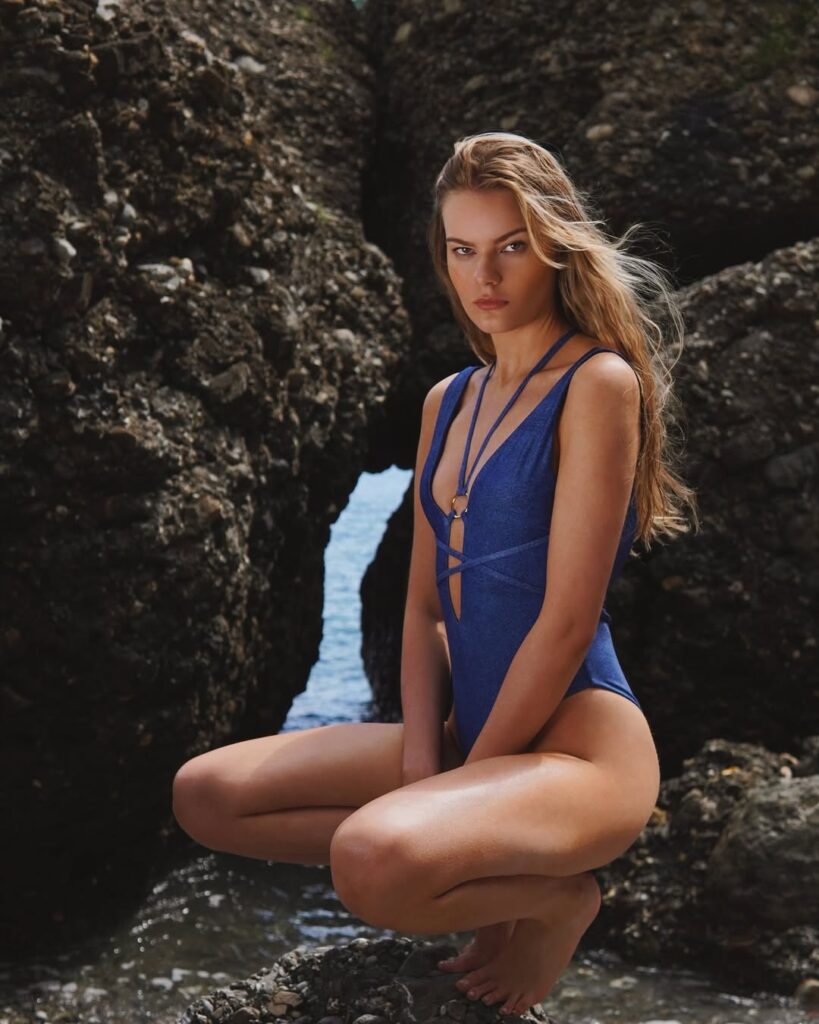
The “Blue Beauty” movement is pushing brands toward materials like Econyl, derived from regenerated ocean waste, alongside innovations such as digital waterless dyeing. What’s notable is the shift in positioning: sustainability is being framed as a luxury feature, not a compromise.
Consumers are no longer choosing between ethics and aesthetics—they expect both.
And brands that fail to meet this standard will increasingly find themselves irrelevant.
The Bigger Picture
Miami Swim Week 2026 signals a recalibration of the swimwear industry. The focus has moved from seasonal trends to category evolution, where performance, sustainability, and visual identity intersect.
This is swimwear designed not just for vacations, but for visibility, versatility, and value.
For brands, the takeaway is straightforward: surface-level design is no longer enough. The next phase of growth will belong to those who can engineer desirability—across fabric, function, and narrative.