Runways
Miami Swim Week 2026: The Rise of Urban Resortwear
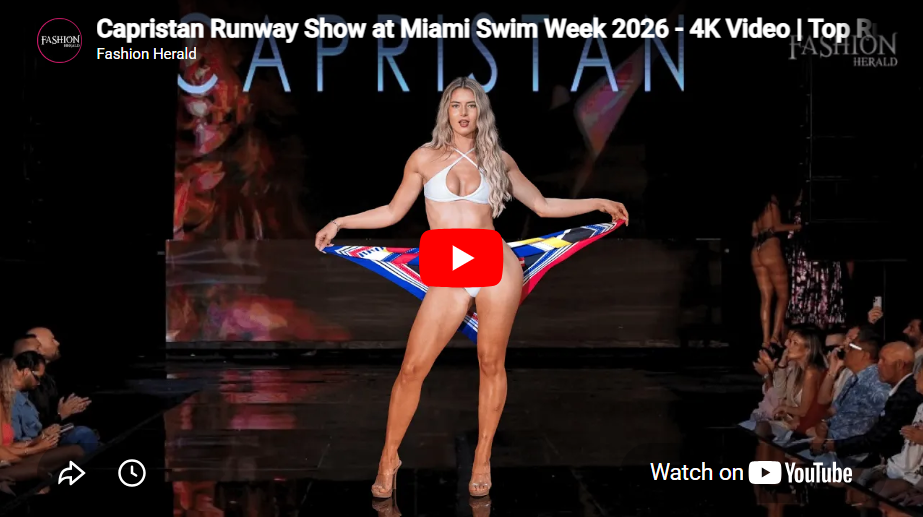
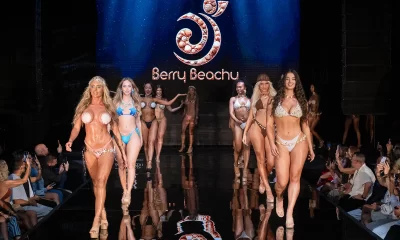
For decades, swimwear has been built around a familiar fantasy.Sun, sand, escape, and effortless leisure have traditionally shaped the visual language of resort fashion. Miami Swim Week 2026 by Art Hearts Fashion, however, revealed an emerging counter-movement that challenges many of those conventions.
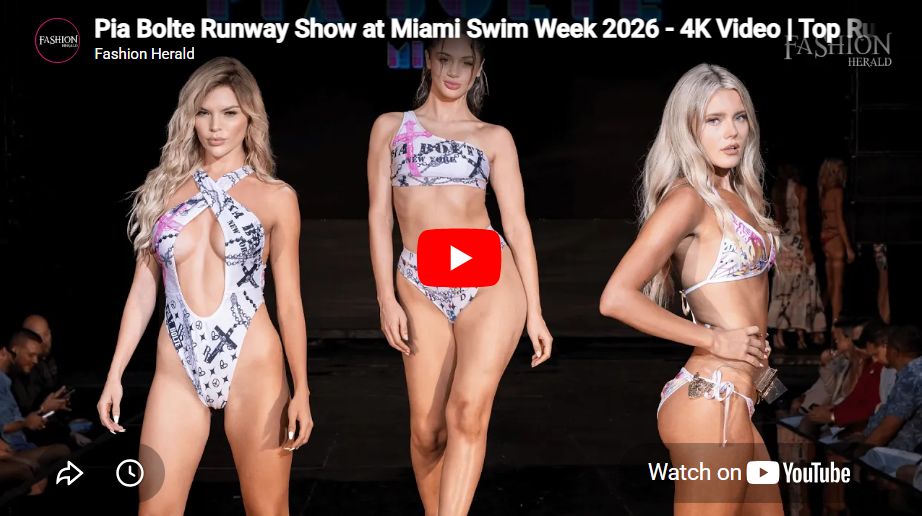
A growing number of designers are introducing elements traditionally associated with streetwear, industrial fashion, and urban subcultures into the resortwear conversation.The result is a category that feels less connected to tropical escapism and more aligned with contemporary city culture.
The End of Traditional Beachwear Codes
One of the most significant developments emerging from Miami Swim Week 2026 is the growing rejection of conventional swimwear aesthetics.
Historically, beach fashion has prioritized lightness, softness, and visual ease. This season introduced a different perspective.
Heavy layering, oversized outerwear, distressed fabrics, and utility-inspired styling appeared alongside traditional swim silhouettes, creating visual tension between exposure and protection, leisure and structure.This reflects a broader shift occurring across fashion categories.
Consumers increasingly reject rigid style boundaries, choosing wardrobes that blend multiple identities and influences. Swimwear is no longer isolated from wider fashion movements.
Streetwear Continues Its Expansion Into New Categories
The influence of streetwear on luxury fashion is well documented. What Miami Swim Week 2026 demonstrated is how deeply those influences are now penetrating resortwear. Oversized silhouettes, utility detailing, layered styling systems, distressed surfaces, and graphic-heavy visual narratives appeared throughout the season, bringing traditionally urban fashion codes into beach environments.
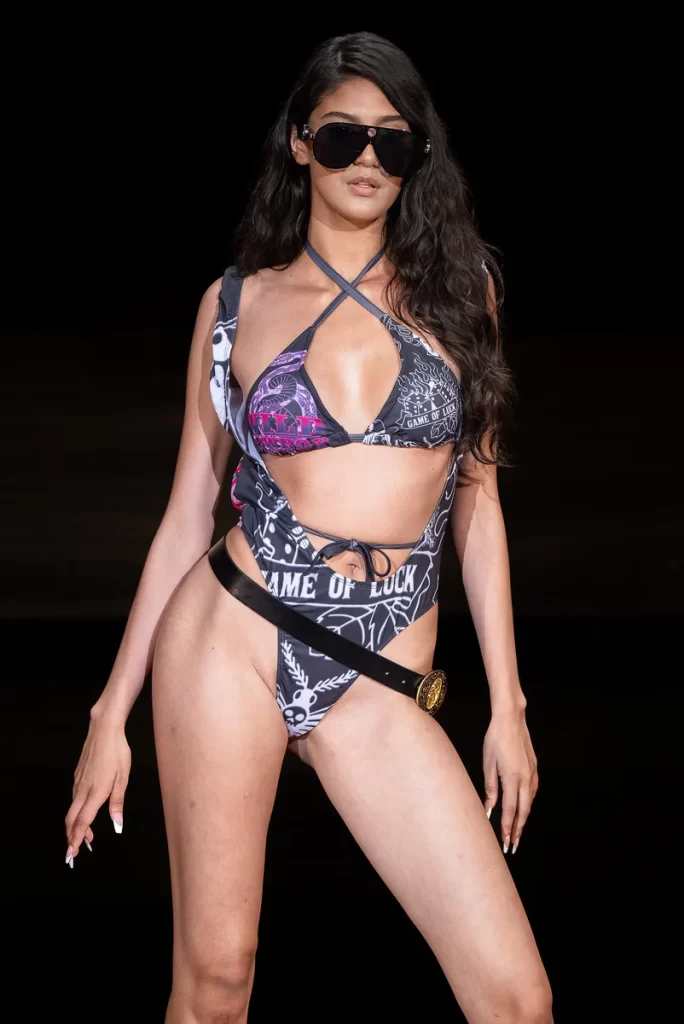
Younger consumers often view fashion through cultural affiliations rather than garment categories. Streetwear, music, gaming, nightlife, and social media aesthetics increasingly influence purchasing decisions across every segment of fashion.
As a result, swimwear brands are adapting to consumers who may identify more strongly with cultural communities than traditional vacation lifestyles.
How Pia Bolte Reflects the Industrial Fashion Movement
Among the season’s more experimental directions was the growing presence of industrial-inspired design language within swimwear. Utility buckles, exposed hardware, oversized zippers, metallic rings, tactical fastenings, and structured harness systems introduced a visual weight rarely associated with traditional beach fashion.
Rather than treating hardware as a functional necessity, designers increasingly used these elements as central design features.This trend mirrors broader movements within contemporary luxury fashion, where utility has evolved into an aesthetic category of its own.
Fashion’s Growing Fascination With Dark Aesthetics
Another notable trend visible at Miami Swim Week 2026 by Art Hearts fashion was the expansion of darker visual narratives within resortwear.
For years, swim fashion has largely revolved around optimism, bright color palettes, tropical motifs, and carefree imagery. Increasingly, designers are introducing alternative emotional tones into the category.
Dark graphics, monochromatic color stories, gothic references, aggressive prints, and rebellious styling approaches suggest a growing appetite for more complex forms of self-expression.
The Fashion Herald Perspective
Miami Swim Week 2026 demonstrated that resortwear is entering a period of aesthetic diversification.While traditional visions of luxury travel, Mediterranean elegance, and beach-club glamour remain influential, a new movement is emerging from the intersection of streetwear, industrial fashion, and alternative culture.
The growing presence of utility hardware, layered silhouettes, dark visual narratives, and urban styling suggests that swimwear is becoming a more flexible platform for cultural expression.
The message from Miami Swim Week 2026 is clear: the future of resortwear may not be defined by beaches alone. Increasingly, it is being shaped by the attitudes, aesthetics, and cultural influences of the city itself.
Miami Swim Week 2026 by Art Hearts Fashion
Photography: Mark Gunter
Designer : Pia Bolte