Runways
From Bridalwear to Film Still: How Los Angeles Fashion Week Rewrote Romance
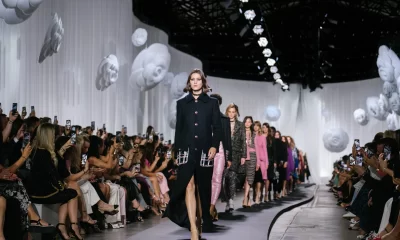
At Los Angeles Fashion Week FW 26, particularly within the high-visibility showcases, bridal and eveningwear quietly stepped out of the aisle and into something far more strategic, cinematic relevance.
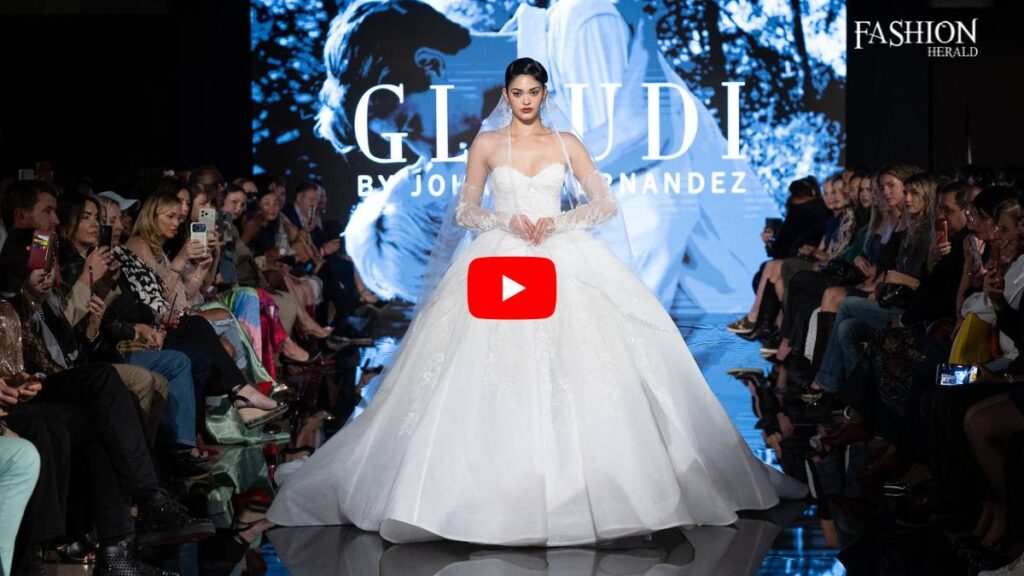
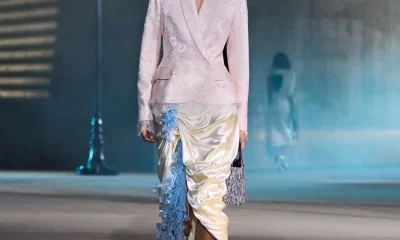
The FW26 collections did not just present garments, they presented frames. Each look operated like a still from an unwritten film, signaling a broader shift in how occasionwear is being designed, consumed, and more importantly, imagined.
Minimalism is not fading, it is being actively rejected.
Cinematic Etherealism: Movement Over Structure
The dominant visual language this season is what can only be described as cinematic etherealism. Volume remains, but its intention has changed.
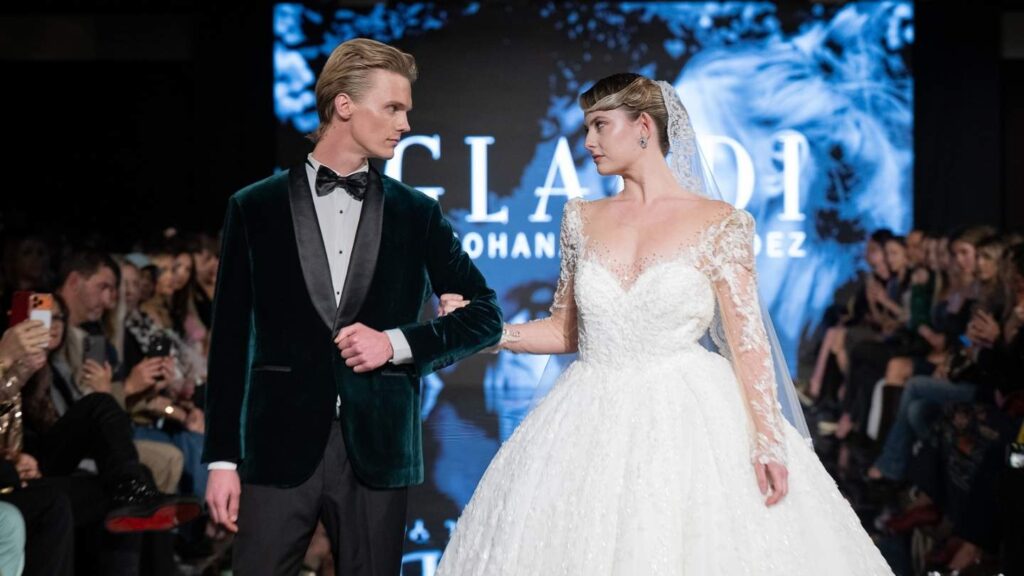
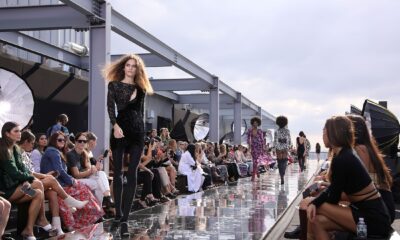
Instead of rigid, sculpted silhouettes that hold their shape for photographs, designers are prioritizing motion. Layers of tulle and organza create a soft blur as models walk, garments that behave differently in still images versus video. This is not accidental. It reflects a content ecosystem where video has overtaken static imagery.
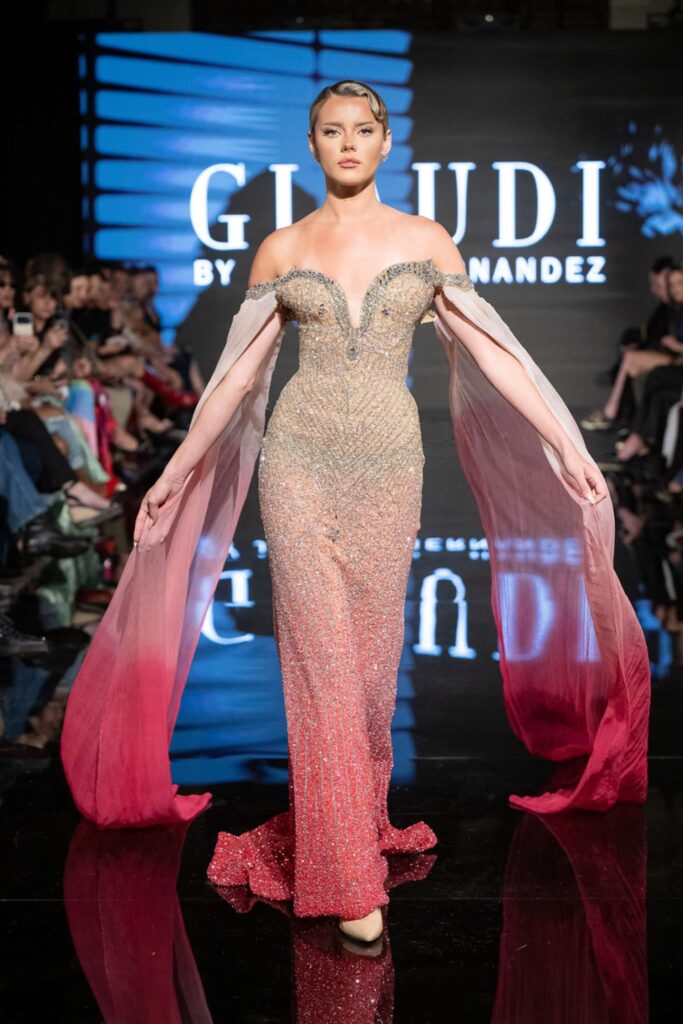
Fabrics amplify this shift. Iridescent finishes replace flat silks, catching light dynamically rather than reflecting it uniformly. The result feels less like couture preservation and more like visual storytelling.
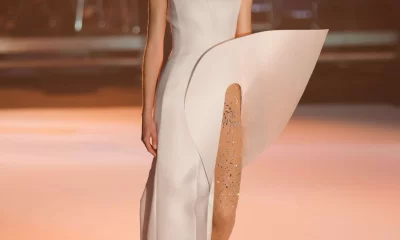
Even structure has softened. Where bridalwear once relied on engineered stiffness, FW26 introduces what can be termed architectural softness, volume that drapes, collapses, and reforms. It is less “princess gown,” more “mythological presence.”
The Modern Bride Is No Longer Formal
The most commercially telling shift lies in the breakdown of formalwear codes.
At Los Angeles Fashion Week, the “modern bride” is not defined by a singular look, but by contrast. Bridal skirts appear alongside knitwear, including deliberately ironic “Bride” jumpers. This is not styling experimentation for the runway, it reflects a deeper change in how weddings are structured.
The multi-event wedding wardrobe is now standard. Ceremony, reception, after-party, and digital content moments each demand distinct aesthetics. Designers are responding by embedding versatility into collections.
Shorter hemlines and playful minis reinforce this shift. The gown is no longer the centerpiece, it is one of several looks within a broader narrative. Bridalwear is becoming modular.
High-Contrast Romanticism: Drama Meets Play
FW26 also introduces a duality that feels particularly calibrated for the current audience, reverence and irreverence coexisting within the same collection.
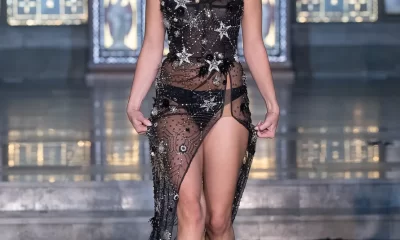
On one end, there is dramatic proportion, oversized bows, elongated trains, high necklines referencing Victorian modesty. On the other, sheer panels, unexpected cutouts, and lighter color stories disrupt that formality.
The palette tells its own story. Traditional whites remain, but they are no longer dominant. Soft pinks, violets, and what can be described as “Bridgerton-coded blues” push bridalwear into a more expressive, almost character-driven space.
This is not just aesthetic diversification. It is emotional diversification. The bride is no longer expected to embody a singular idea of romance.
Ornamentation as Identity
Surface design at Art Hearts Fashion leans heavily into tactility. This is where the “fantasy” aspect becomes most literal.
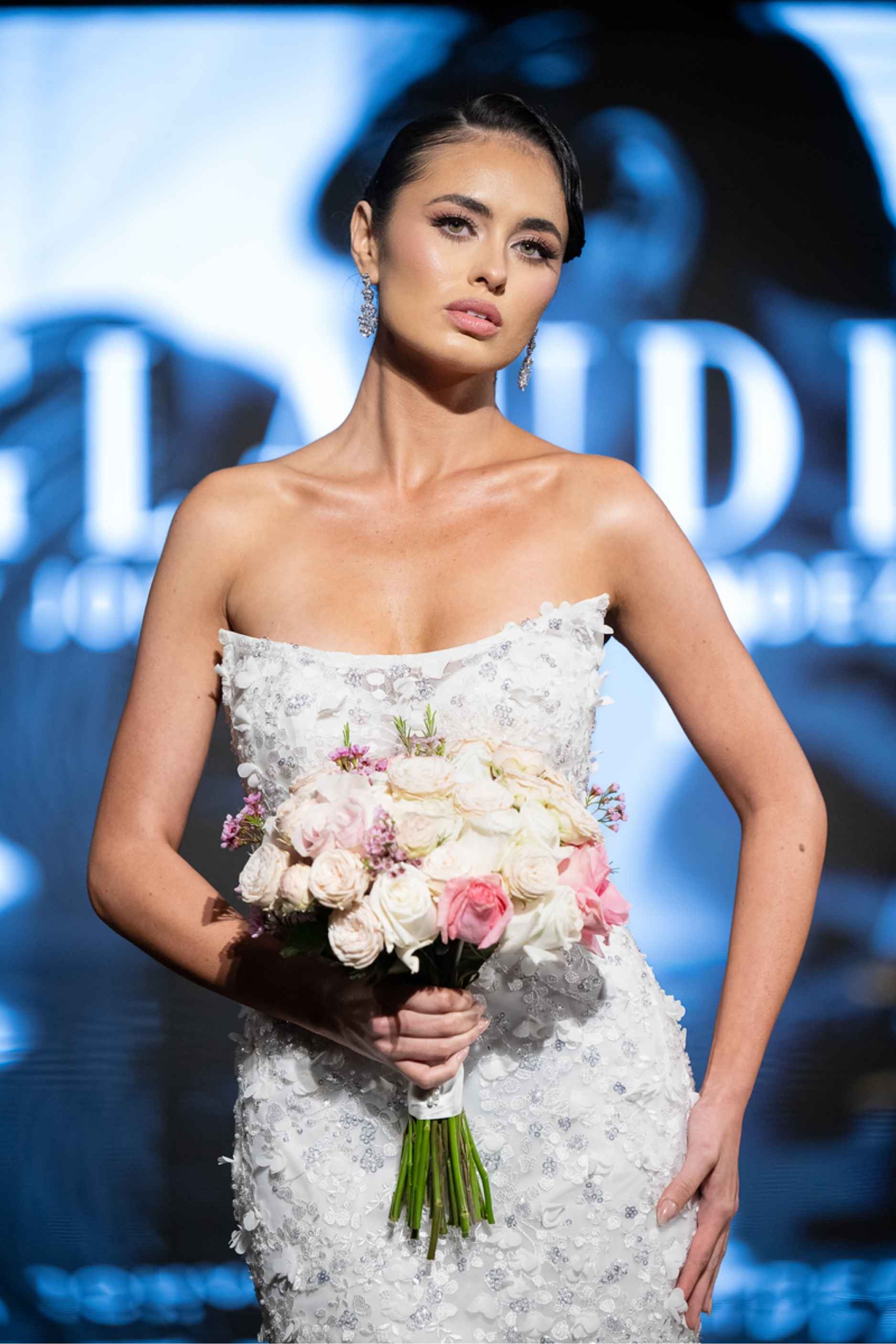
3D floral appliqué, dense lacework, and metallic threading elevate garments into objects that sit closer to costume design than traditional fashion. Not costume in the sense of excess, but in intention, every detail contributes to a larger narrative.
These are garments designed to be remembered, not just worn.
The Fantasy Pivot
What emerges from LA Fashion Week FW26 is not a trend cycle, but a directional shift.
“The Fantasy Pivot” is less about escapism and more about functionality within a content-driven culture. Clothing is no longer just worn, it is filmed, shared, archived, and reinterpreted. Bridalwear and eveningwear, historically rooted in tradition, are now adapting to this reality faster than expected.
The irony is clear. In an era defined by digital immediacy, designers are leaning into fantasy, texture, and emotion. Not as nostalgia, but as strategy.
Because in a saturated visual landscape, realism is forgettable. Fantasy, when executed with precision, is what holds attention.
___
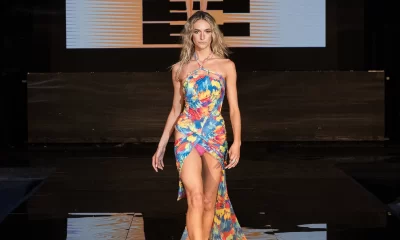
Designer : Glaudi
LAFW by Art Hearts Fashion
Photography : Mark Gunter