Insights
Bridal Forecasting: Inside SS27 Bridal Trends and the Split Identity of the Modern Bride
The bridal market has long thrived on fantasy. What the Spring Summer 2027 bridal collections suggest, however, is a recalibration, one where fantasy is no longer escapist, but deeply personal. Across its GALA and Couture lines, Galia Lahav presents a dual framework for understanding the contemporary bride, not as a singular archetype, but as a spectrum of identities negotiating softness and control.
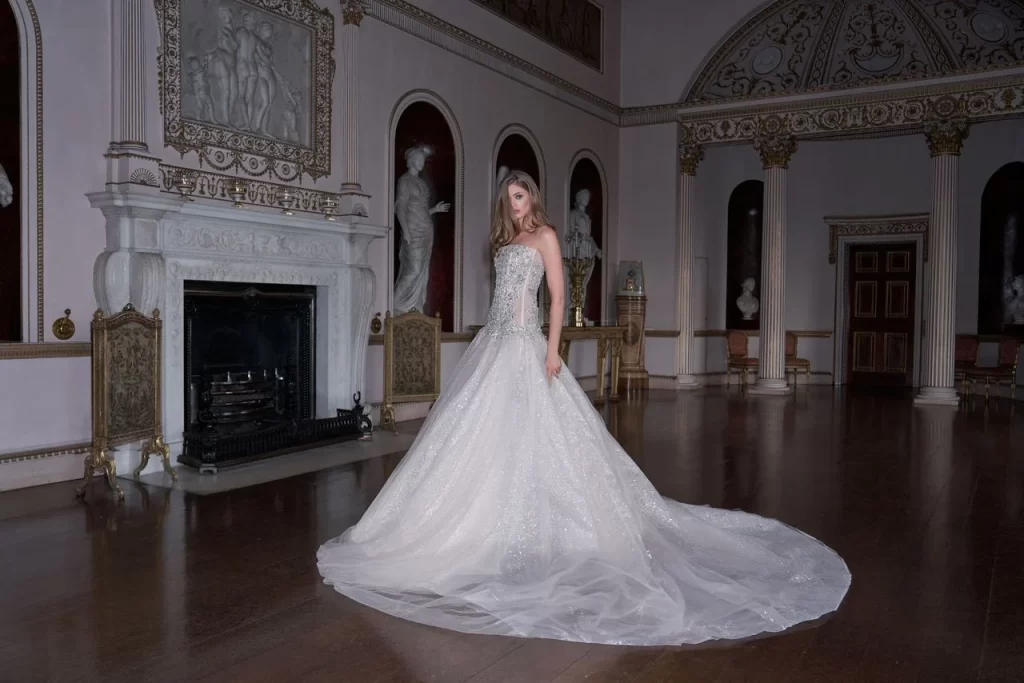
Fashion Herald delves into the latest bridal collections by Galia Lahav and Sharon Sever, which unfold less like seasonal offerings and more like a study in contrast. On one end, the GALA line leans into instinct, movement, and emotional fluidity. On the other, Couture asserts structure, intention, and composure. Together, they signal a shift in bridal design language, from dressing a role to articulating a self.
The Soft Power of Fluidity
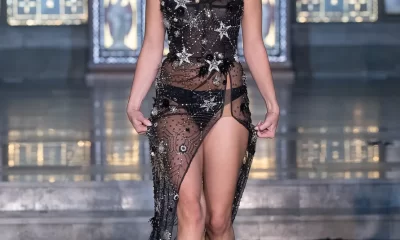
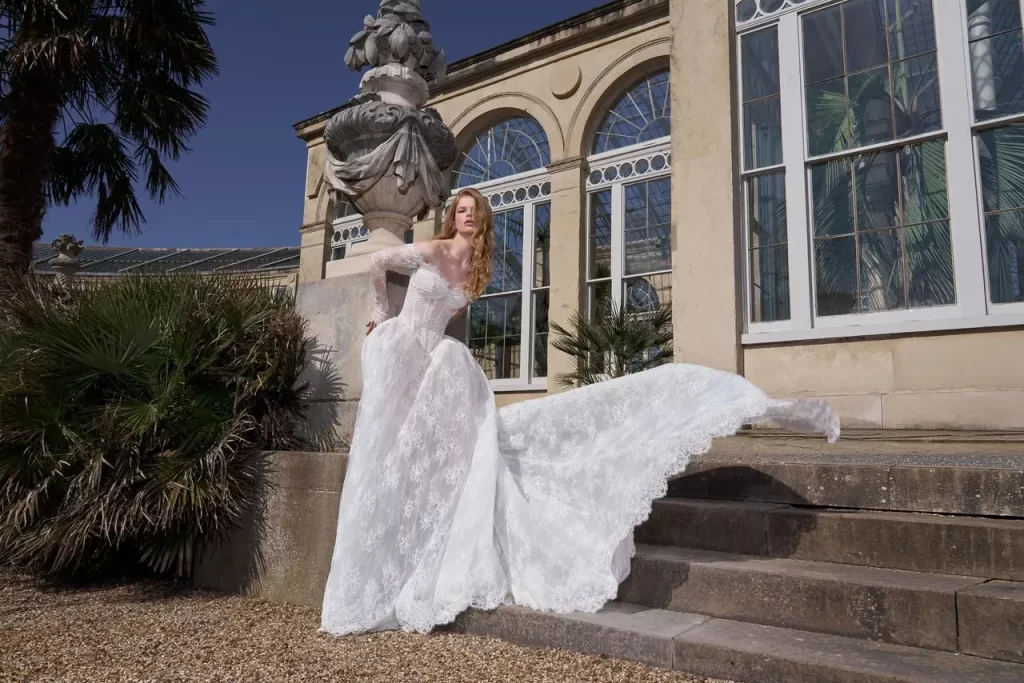
Within the GALA collection, titled A Midsummer Night’s Dream, the emphasis is on movement over construction. Silhouettes elongate and dissolve traditional boundaries, replacing rigidity with a sense of continuity between garment and body.
Halter necklines, barely-there straps, and sheer layering define the visual vocabulary. Fabrics skim rather than sculpt, allowing the body’s natural rhythm to dictate form. Transparency is handled with precision, not provocation, creating depth while maintaining softness.
For designers, this points to a growing demand for garments that feel intuitive rather than engineered. The bride here is not performing femininity, she is inhabiting it. The shift is subtle, but commercially significant. It reframes sensuality as ease, not spectacle.
Structure as Assertion
If GALA is instinctive, Couture is deliberate. The Dream State collection operates from a position of clarity, where the bride is no longer exploring identity but asserting it.
Corsetry returns with authority, drawing from Victorian references but recalibrated for contemporary proportions. Sculpted bodices anchor the silhouette, while skirts retain fluidity, creating a controlled tension between restriction and release.
The key here is not excess, but precision. Couture techniques are used to define rather than decorate. Lace, embroidery, and brocade move beyond embellishment, becoming tools to build depth and intimacy within the garment.
This signals a notable shift in bridal consumption. Brides are moving away from experimentation toward conviction. The purchase is less about trying on identities and more about reinforcing a pre-defined sense of self.
A Palette Beyond Tradition
Color, too, follows this dual narrative. The GALA line stays within a softened spectrum, ivories, blush tones, and silvery hues that evoke a diffused, almost cinematic light. The detailing mirrors this approach, with embroidery and appliqué appearing organic, almost incidental.
In contrast, Couture introduces a decisive rupture, a singular red gown that anchors the collection emotionally. It is not a trend play, but a narrative device. A reminder that bridal, increasingly, is not confined to tradition, but open to personal symbolism.
The Business of Duality
What emerges from Galia Lahav’s SS27 direction is not just an aesthetic forecast, but a structural insight into where bridal is heading. The modern bride is no longer choosing between identities. She is navigating both.
For brands, this creates a clear challenge. Designing for bridal now requires a balance between emotional storytelling and technical clarity. Collections must offer both fluidity and structure, softness and authority, without diluting either.
This duality is not a contradiction. It is the new baseline.And for an industry built on singular visions of “the bride,” that shift is not just creative, it is operational.