Culture
How Fashion Journalists Cover Fashion Week | Fashion Journalism Internship India 2026
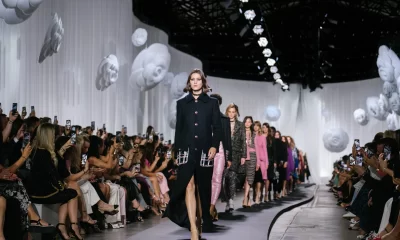
For fashion students and aspiring writers, fashion week often appears glamorous from the outside — flashing cameras, celebrity front rows, and dramatic runway moments. Yet behind the spectacle lies an intense editorial process for fashion journalists,that begins long before the first model steps onto the runway.
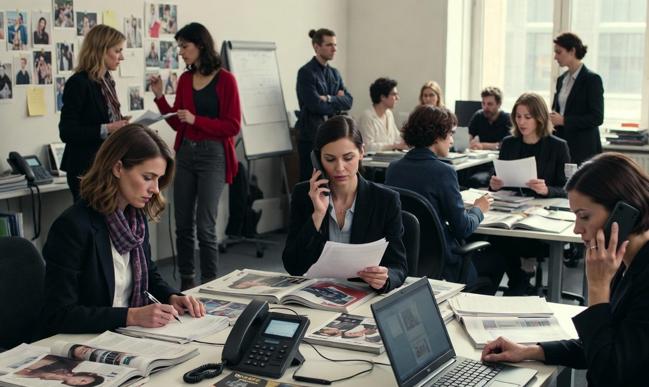
For journalists covering fashion week media coverage, the work involves research, analysis, and rapid editorial judgment. Writers must interpret a designer’s vision within minutes of a show ending while placing each collection within the broader narrative of the season.
Understanding how fashion week journalism actually works reveals that runway reporting is less about glamour and more about critical observation, industry awareness, and storytelling.
Pre-Show Research
Effective runway reporting begins well before the lights dim in the show venue.
Editors covering fashion week typically spend significant time researching the designers presenting that season. This includes reviewing previous collections, understanding the brand’s creative direction, and identifying themes that may evolve in the upcoming show.
Pre-show preparation often involves examining:
- A designer’s historical aesthetic and signature silhouettes
- Key moments from the previous season’s runway presentation
- Cultural or artistic references influencing the brand’s direction
- Industry expectations surrounding the collection
This research allows journalists to contextualize what appears on the runway. Without this preparation, it becomes difficult to interpret whether a collection represents a continuation of a brand’s identity or a dramatic shift in creative direction.
For fashion writers, preparation is often the difference between simple description and meaningful fashion show coverage.
Live Show Analysis
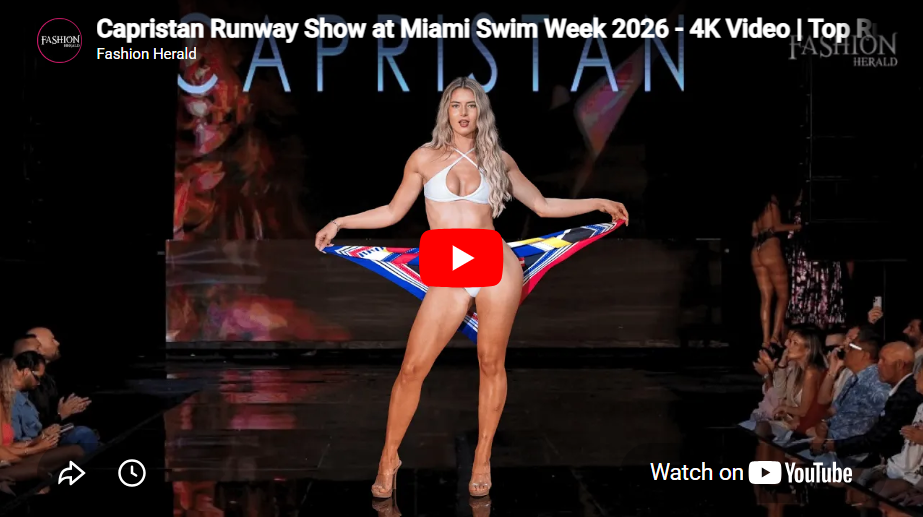
During the show itself, journalists observe far more than the garments alone.
Editors analyzing a runway presentation are often mentally documenting elements such as:
- Silhouettes: the overall shape and structure of the garments
- Fabric choices: whether designers are emphasizing texture, transparency, or technical materials
- Construction details: tailoring techniques, draping, layering, and craftsmanship
- Styling direction: how accessories, hair, and makeup contribute to the collection’s narrative
Because fashion shows typically last only ten to fifteen minutes, journalists must process visual information quickly while identifying the defining elements of the collection.
This moment is where strong analytical instincts become essential. The goal of fashion week journalism is not simply to describe what appeared on the runway, but to recognize what elements are likely to shape the season’s broader trends.
Backstage and Designer Commentary
Once a show concludes, journalists often move backstage where designers, stylists, and models offer additional insight into the collection.
Backstage conversations provide valuable context that may not be immediately visible on the runway. Designers frequently discuss their inspirations, references, or creative motivations, helping journalists understand the conceptual framework behind the garments.
These insights allow editors to connect the visual presentation to the designer’s narrative. In many cases, a short conversation with a creative director can reveal the cultural influences or artistic inspirations that shaped an entire collection.
This stage of fashion week media coverage transforms runway observation into deeper editorial storytelling.
Post-Show Editorial Analysis
After the immediate coverage is published, journalists often revisit their notes and imagery to produce more comprehensive editorial analysis.
This stage focuses on identifying the broader implications of the collection within the fashion landscape. Writers examine how certain details — silhouettes, materials, or styling choices — may signal emerging seasonal trends.
Post-show analysis may explore questions such as:
- Are multiple designers emphasizing similar silhouettes?
- Is there a shift toward specific textures or materials?
- How does the collection reflect cultural or artistic influences shaping fashion today?
This interpretive stage is what ultimately defines fashion week journalism. The most compelling fashion writing connects individual runway moments to larger conversations happening across the industry.
Pathways into Runway Reporting
For many aspiring writers, fashion week coverage represents one of the most exciting aspects of fashion journalism. Yet developing the skills required for runway analysis takes time, practice, and editorial guidance.
Many emerging writers gain their first exposure to fashion show coverage and runway reporting through editorial internships at digital fashion publications, where they learn how to research designers, analyze collections, and interpret trends within a professional editorial environment.
Aspiring contributors interested in participating in international runway coverage and fashion industry reporting can explore editorial opportunities through the Fashion Herald careers page.