Culture
What Fashion Editors Actually Look for in Internship Applications
Landing a fashion journalism internship used to be relatively straightforward: a writing sample, a résumé, and an interest in fashion. Today, the expectations are very different.
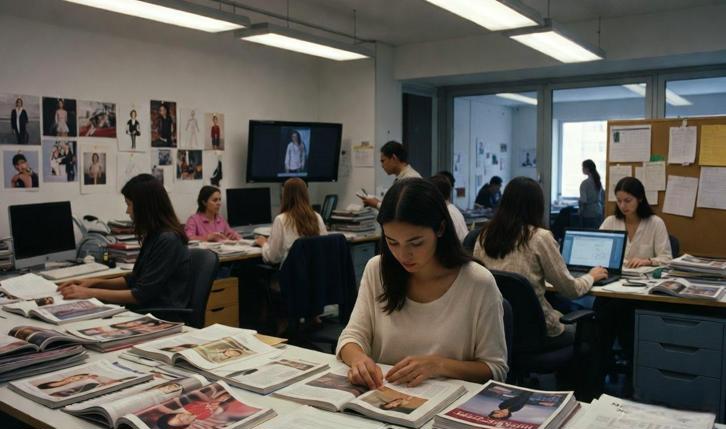
Modern fashion magazines operate within a fast-moving digital ecosystem where editorial teams must analyze runway collections, track cultural trends, interpret brand narratives, and publish across multiple platforms in real time.
As a result, editors reviewing applications for a fashion editorial internship are rarely looking for candidates who simply “love fashion.” Instead, they are searching for emerging writers who can think critically about the industry, communicate ideas clearly, and demonstrate an understanding of how fashion media operates today.
For aspiring journalists hoping to secure a fashion magazine internship, understanding what editors actually look for can make the difference between a generic application and one that stands out.
Editors Look for Analytical Thinking
The biggest misconception about fashion journalism is that it revolves around describing clothes.
In reality, editorial fashion writing is about interpreting fashion.
Editors want interns who can explain why a collection matters, not just what appeared on the runway. A strong fashion writer connects silhouettes, materials, and styling choices to broader narratives — cultural shifts, historical references, or evolving brand identities.
For example, rather than writing: “Designers used a lot of feathers this season.” An analytical approach might explore:
- Why feather embellishment returned after seasons of minimalist luxury
- Whether the trend reflects a renewed appetite for spectacle on red carpets
- Which designers are interpreting the detail differently
This type of thinking demonstrates that an applicant understands fashion as a cultural and creative industry, not just a visual one.
Digital Literacy Is Essential
Fashion journalism is no longer confined to print magazines.
Today’s editors expect interns applying for a fashion journalism internship to understand the digital environment in which fashion media operates. That includes:
- Basic knowledge of SEO and search-driven publishing
- Understanding how articles reach readers through Google and social platforms
- Familiarity with digital storytelling formats, including runway coverage, trend reports, and industry analysis
Interns who show curiosity about how fashion content travels online — from search results to social feeds — often stand out immediately.
This does not require advanced technical skills. However, demonstrating awareness of how editorial content performs in a digital landscape signals that an applicant is thinking like a modern fashion journalist.
A Portfolio Matters More Than a Resume
Many applicants spend significant time perfecting their résumé. Editors, however, usually focus first on the writing portfolio.
For a fashion writing internship, a portfolio provides the clearest evidence of how a candidate thinks and communicates.
Strong portfolio samples often include:
- Runway reviews or collection analysis
- Trend interpretation articles
- Commentary on fashion industry developments
- Thoughtful essays about design, culture, or fashion history
What editors are assessing is not simply grammar or vocabulary, but editorial voice and perspective. Does the writer offer insight? Do they understand fashion references? Can they structure an argument clearly?
Even two or three well-developed pieces can demonstrate far more editorial potential than a long list of academic achievements.
Industry Awareness
Editors also look for applicants who are paying attention to what is happening in fashion right now.
This means understanding the basic landscape of the industry:
- Major fashion weeks such as New York, London, Milan, and Paris
- Influential designers and emerging brands
- Key cultural conversations shaping fashion today
Industry awareness signals curiosity — one of the most valuable traits in any aspiring fashion journalist.
Candidates who reference current runway moments, evolving style movements, or broader cultural influences show that they are already engaging with fashion media as active observers rather than passive consumers.
Exploring Editorial Opportunities
For aspiring writers hoping to build experience in runway analysis, fashion industry reporting, and digital fashion journalism, internships remain one of the most valuable entry points into the field.
Aspiring contributors interested in participating in international runway coverage and fashion commentary can explore editorial opportunities through the Fashion Herald careers page, where information about internships and editorial collaboration is regularly updated.