Celeb Style
Met Gala Icons: The Indian Names That Keep Returning to Fashion’s Most Watched Red Carpet
In an industry that thrives on exclusivity, repeat appearances at the Met Gala are not just invitations, they are indicators of cultural leverage. For Indian representation, consistency at this level signals something bigger than celebrity. It reflects fashion diplomacy, brand alignment, and global relevance.
Here are five Indian names who have turned the Met steps into a recurring stage presence.
Priyanka Chopra
The Architect of Met Legacy
No Indian celebrity has built a Met Gala narrative quite like Priyanka Chopra. From her debut in 2017 with a dramatic Ralph Lauren trench gown to her subsequent appearances that oscillate between theatrical and tailored, Chopra understands the assignment better than most.
Her style strategy is not about playing safe or chasing trends. It is about constructing moments. Whether it was the exaggerated camp aesthetic or the polished high-jewellery pairing, she consistently leans into the theme, often ahead of the curve.
More importantly, Chopra represents continuity. She is not just attending the Met Gala, she is participating in its evolving fashion language.
Natasha Poonawalla
The Couture Disruptor
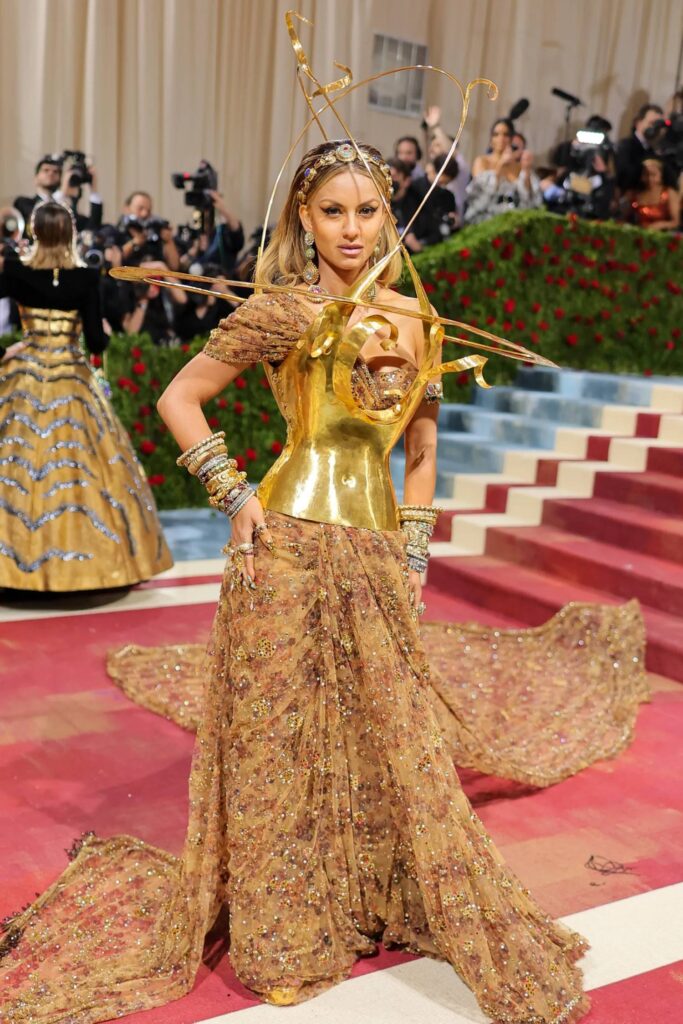
Natasha Poonawalla approaches the Met Gala like a curator rather than a guest. Her appearances are deeply referential, often merging Indian craftsmanship with avant-garde global couture.
From Sabyasachi paired with Schiaparelli to experimental silhouettes that challenge Western dominance on the carpet, Poonawalla’s Met presence is intellectual. It is less about visibility and more about repositioning Indian fashion within global couture discourse.
She does not follow the theme, she interprets it through an Indian lens.
Isha Ambani
The Quiet Power Player
Isha Ambani’s Met appearances are fewer in number compared to some on this list, but they carry weight. Her presence sits at the intersection of luxury patronage and cultural influence.
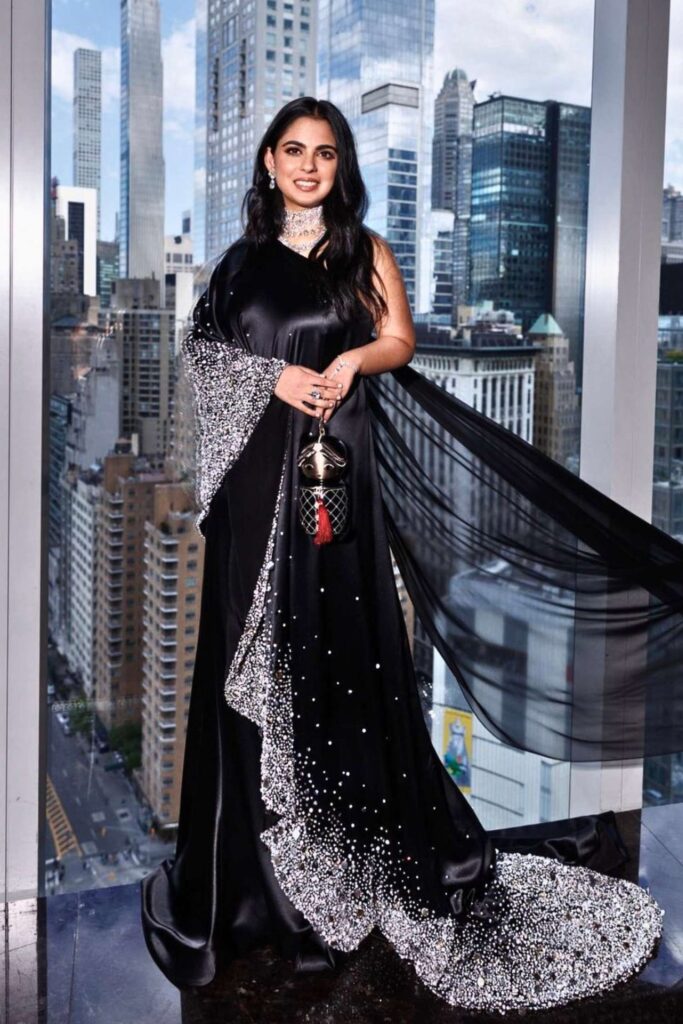
Often seen in meticulously constructed couture, including ensembles that subtly incorporate Indian textile narratives, Ambani represents a different kind of Met attendee. One that does not rely on theatrics, but on quiet luxury and access.
Her appearances reinforce India’s position not just as a fashion contributor, but as a luxury consumer market that global brands cannot ignore.
Deepika Padukone
The Brand Ambassador Era
Deepika Padukone’s Met Gala journey is closely tied to her global brand affiliations, particularly during her tenure with Louis Vuitton. Her appearances reflect a structured, brand-aligned aesthetic that prioritizes polish over risk.
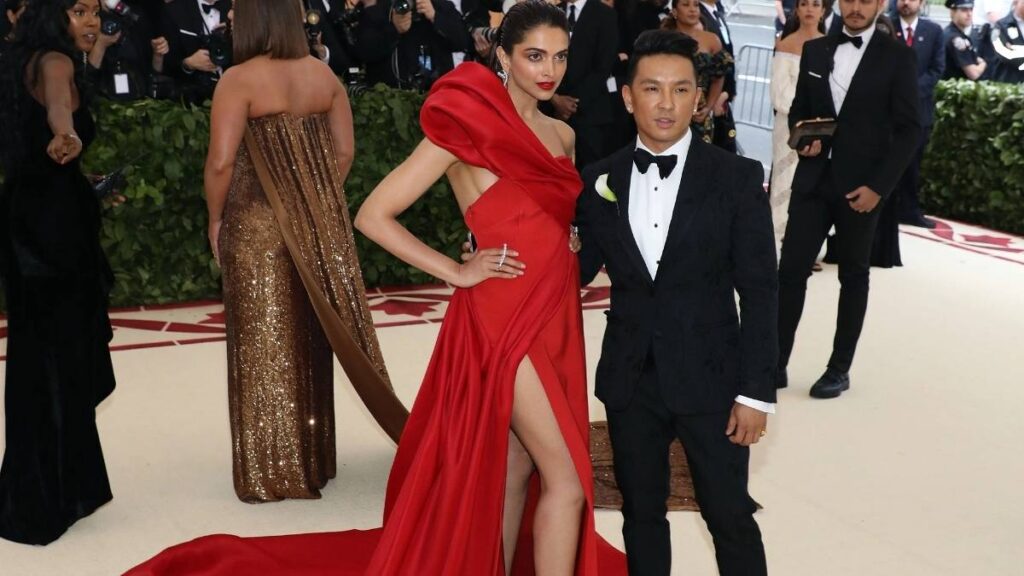
From sculptural gowns to high-drama silhouettes, Padukone’s Met strategy is consistent. She embodies the modern ambassador model, where the look is less about individual experimentation and more about reinforcing brand identity on one of fashion’s biggest stages.
It is controlled, calculated, and globally legible.
Alia Bhatt
The New-Age Entrant
Alia Bhatt represents the new phase of Indian Met participation. Her debut signaled a shift toward softer, more romantic interpretations of the red carpet, aligning with her broader brand positioning.
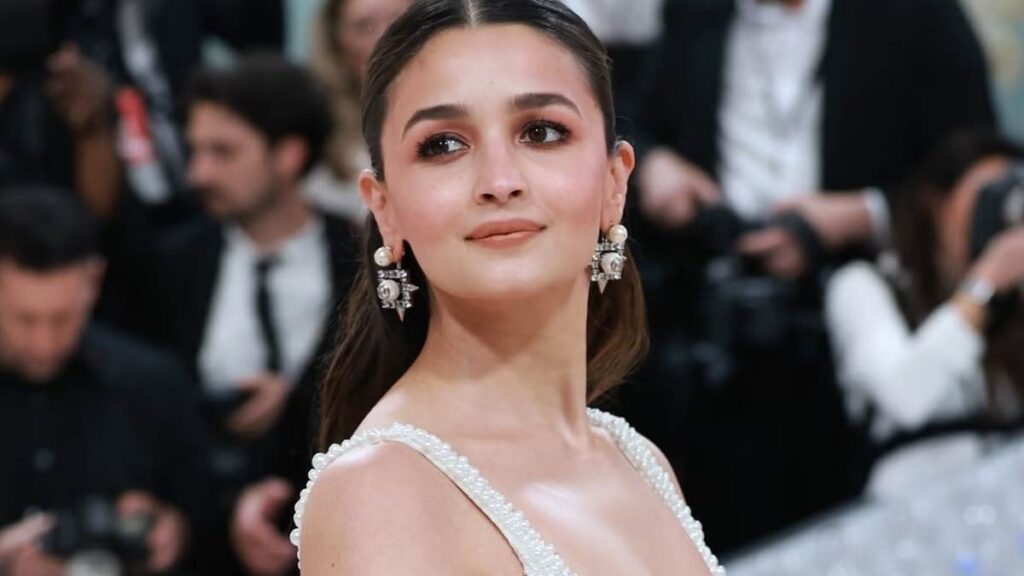
Her approach is deliberate. Instead of immediate theatrics, she builds relatability first, then scales toward global fashion credibility. This measured entry strategy mirrors how newer Indian celebrities are navigating international fashion platforms.
Bhatt’s Met journey is still in its early chapters, but the intent is clear. Longevity over instant spectacle.
The Larger Shift
The significance of these repeat appearances goes beyond individual style. It reflects a structural shift in how Indian celebrities are positioned within global fashion ecosystems.
Earlier, Met Gala invitations for Indian attendees felt occasional. Today, they are becoming cyclical. That transition matters.
Because at the Met, showing up once is visibility. Showing up repeatedly is influence.