Insights
The Archival Arms Race: Inside Fashion’s Race to Secure Vintage for Cannes
The red carpet at Cannes has stopped selling the future. It is now underwriting the past.
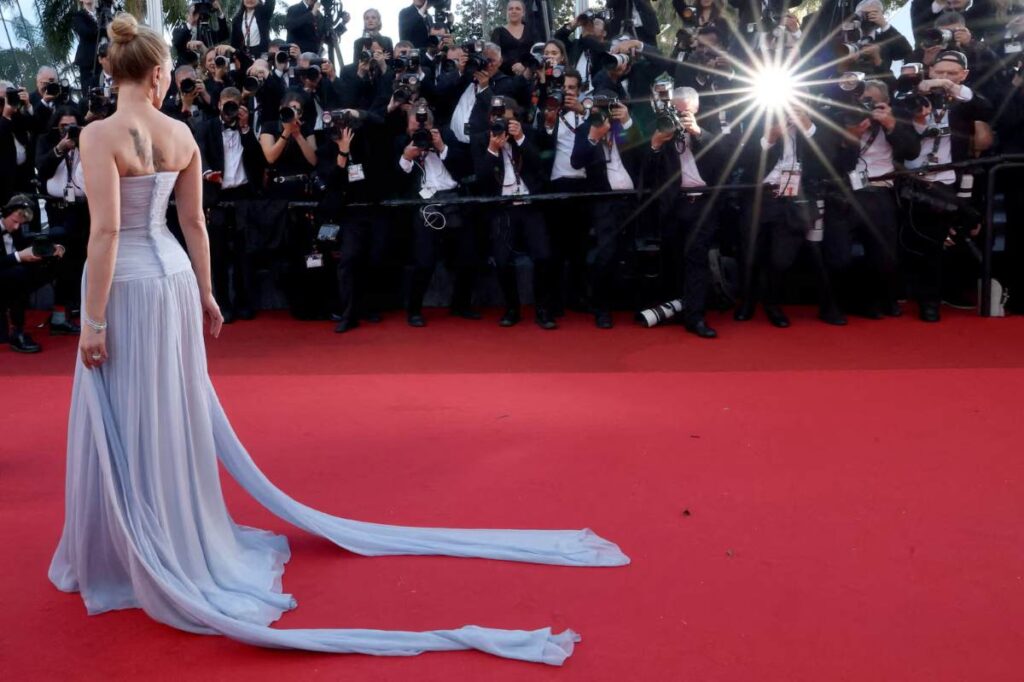
As the industry circles the upcoming Cannes Film Festival, a quiet but aggressive shift is underway. Heritage houses are no longer competing to debut next season’s silhouettes; they are competing to control who gets access to their past. The result is what insiders are calling an “archival arms race”, a pre-emptive locking of vintage looks weeks, sometimes months, in advance.
The “Past-Forward” Pivot
Cannes’ obsession with “newness” has hit saturation. When a runway look can be digitally replicated, AI-rendered, or fast-tracked into production within days, novelty loses its edge. Scarcity, on the other hand, compounds.
An archival garment carries something contemporary fashion cannot manufacture on demand: time. A 1997 couture piece has survived decades of storage, shifting tastes, and material aging. Its value is not just aesthetic; it is chronological.
This shift reframes sustainability as well. Archive dressing offers a rare alignment between optics and action. Pulling from the 1990s or early 2000s signals environmental awareness without diluting glamour. It is sustainability without sacrifice, or more precisely, sustainability as status.
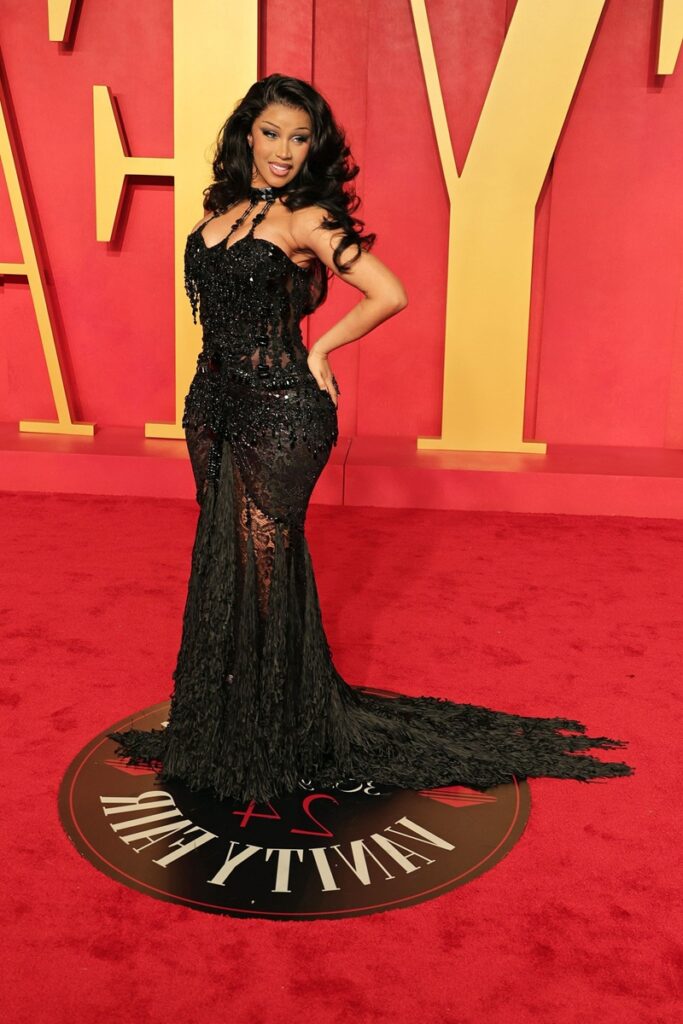
More importantly, it demands cultural literacy. Wearing a look from Dante collection or Les Chimères collection is not about visibility; it is about recognition. The audience is expected to know. If they do, the impact multiplies. If they don’t, the garment remains quietly superior.
Vaults as Weapons
Access is no longer democratic, even at the highest level.
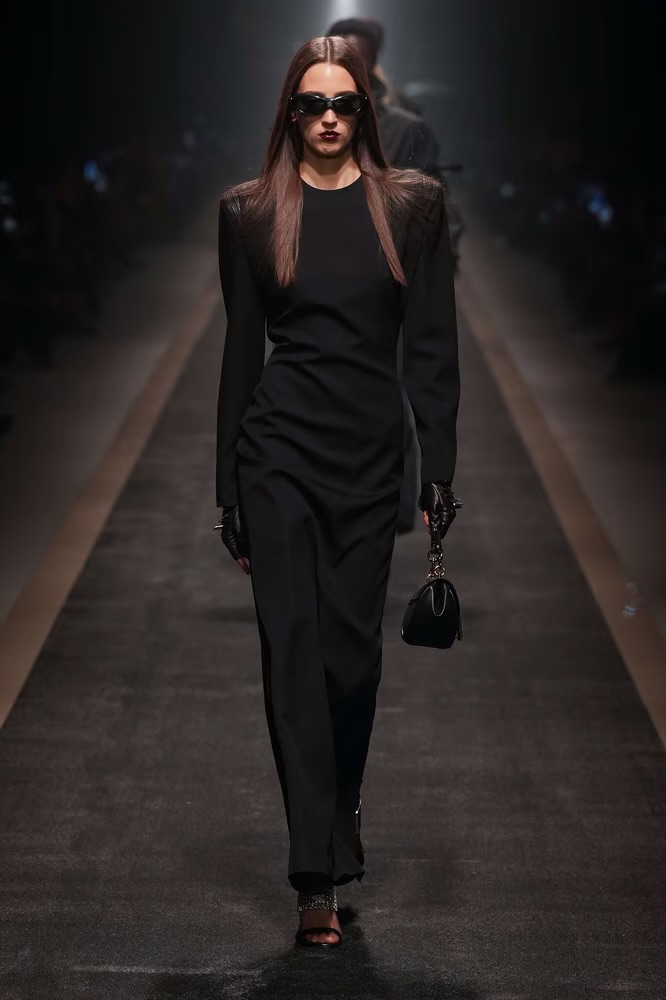
Houses like Versace and Dior are treating their archives as strategic assets, not passive repositories. Specific pieces are being reserved early, effectively taken off the market to prevent dilution across multiple appearances.
By dictating which eras resurface, brands are editing their own history in real time. A carefully chosen archival pull can revive a forgotten creative direction, reinforce a founder’s legacy, or subtly redirect brand identity without producing a single new garment.
This is brand storytelling at its most controlled. The red carpet becomes the distribution channel.
Textile Integrity vs Digital Sheen
There is also a material argument, one that cannot be replicated through software or speed.

Archival garments often carry construction techniques that are economically and technically impractical today. Hand-stitched boning, weighted silks, labor-intensive lacework, these are not just details; they are structural signatures.
Placed against a modern 3D-printed bodice or digitally engineered textile, the difference becomes visible in motion. A mid-century gown does not just fit the body; it negotiates with it. It moves with resistance, with weight, with intention.
The Stylist as Historian
Power has quietly shifted away from brands alone.
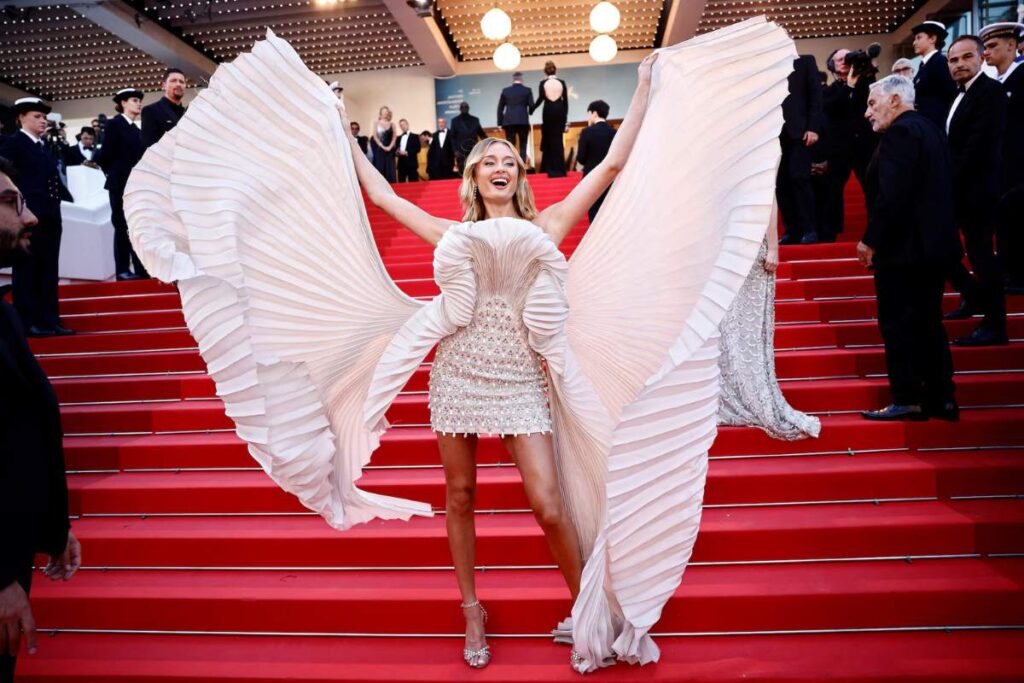
Stylists at Cannes, particularly figures like Law Roach, are operating less as image-makers and more as cultural archivists. Their role now includes sourcing from private collectors, auction houses, and undocumented reserves that even fashion houses may not fully control.
The result is a new kind of authorship. The look is no longer just styled; it is researched, contextualized, and positioned within a broader fashion timeline.In this framework, the stylist is not dressing a celebrity. They are staging a reference.
The New Guard’s Dilemma
For independent designers at Cannes, this shift presents a structural disadvantage.
Without decades of archive, they cannot compete in the same currency. Instead, they are forced into a different mindset: designing pieces that are not just relevant now, but collectible later.The challenge is creating garments with enough identity, construction integrity, and narrative weight to become future archive material. Not trend pieces, not viral moments, but artifacts.
The FH Perspective
The archival arms race is not about looking backward. It is about proving permanence in an industry built on obsolescence.
“The ultimate flex at Cannes 2026 isn’t being the first to wear a look; it’s being the only person allowed to wear it twice in forty years.”
What we are witnessing is a shift from architectural futurism to architectural preservation. Fashion is no longer asking, what’s next. It is asking, what has lasted.For Fashion Herald’s audience, the implication is direct. The most valuable piece in a wardrobe is no longer the newest acquisition. It is the one that has survived, retained relevance, and gained meaning over time.
In a system obsessed with acceleration, longevity has become the ultimate luxury.