Runways
New York Fashion Week FW26: Neo-Carnival Maximalism and the Rise of the Architectural Body
New York Fashion Week continues to prove that spectacle still has a place on the runway. Among the season’s most visually striking presentations was a high-energy show that pushed fashion firmly into the territory of performance couture, blending carnival-inspired extravagance with futuristic lingerie construction.
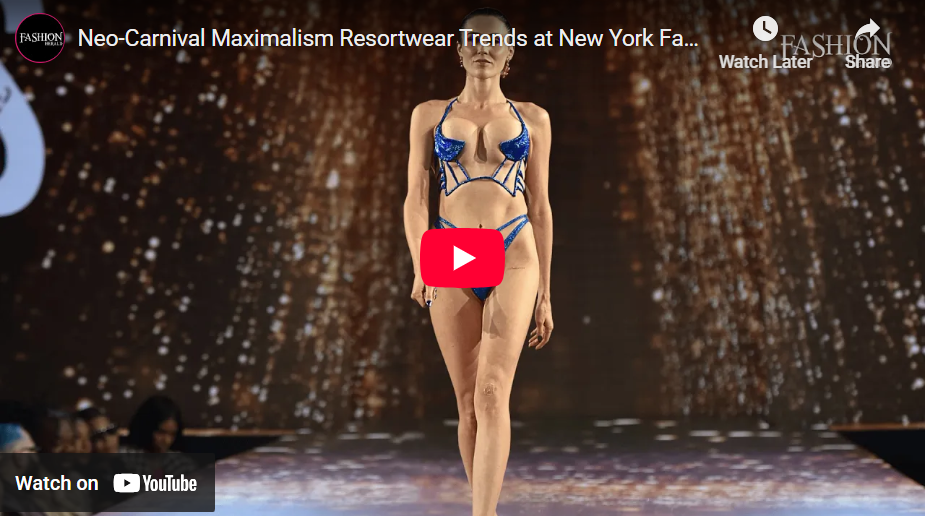
The runway aesthetic can best be described as Neo-Carnival Maximalism, where the theatrical spirit of Caribbean masquerade meets the sculptural precision of modern bodywear. Instead of quiet minimalism, the collection embraced visibility, structure, and movement—reflecting a broader shift at New York Fashion Week FW26 toward garments designed for impact.
Carnival Maximalism and the Return of Performance Couture
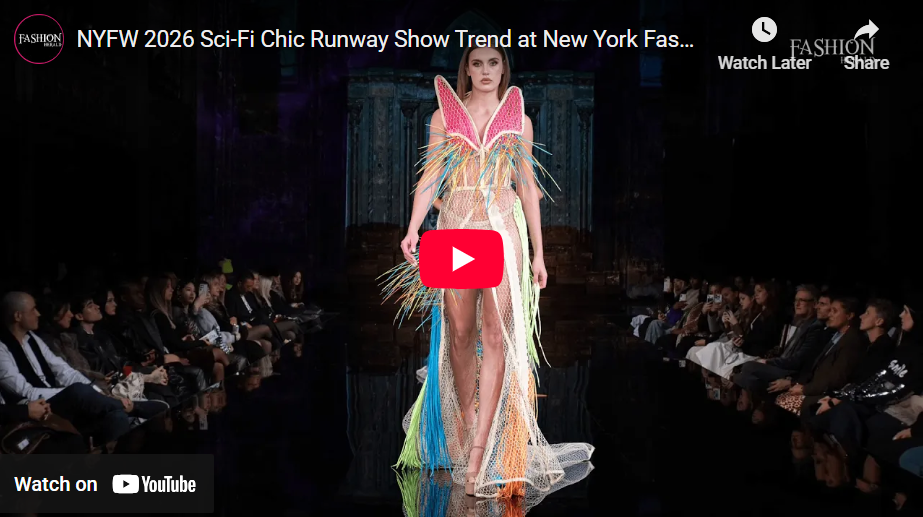
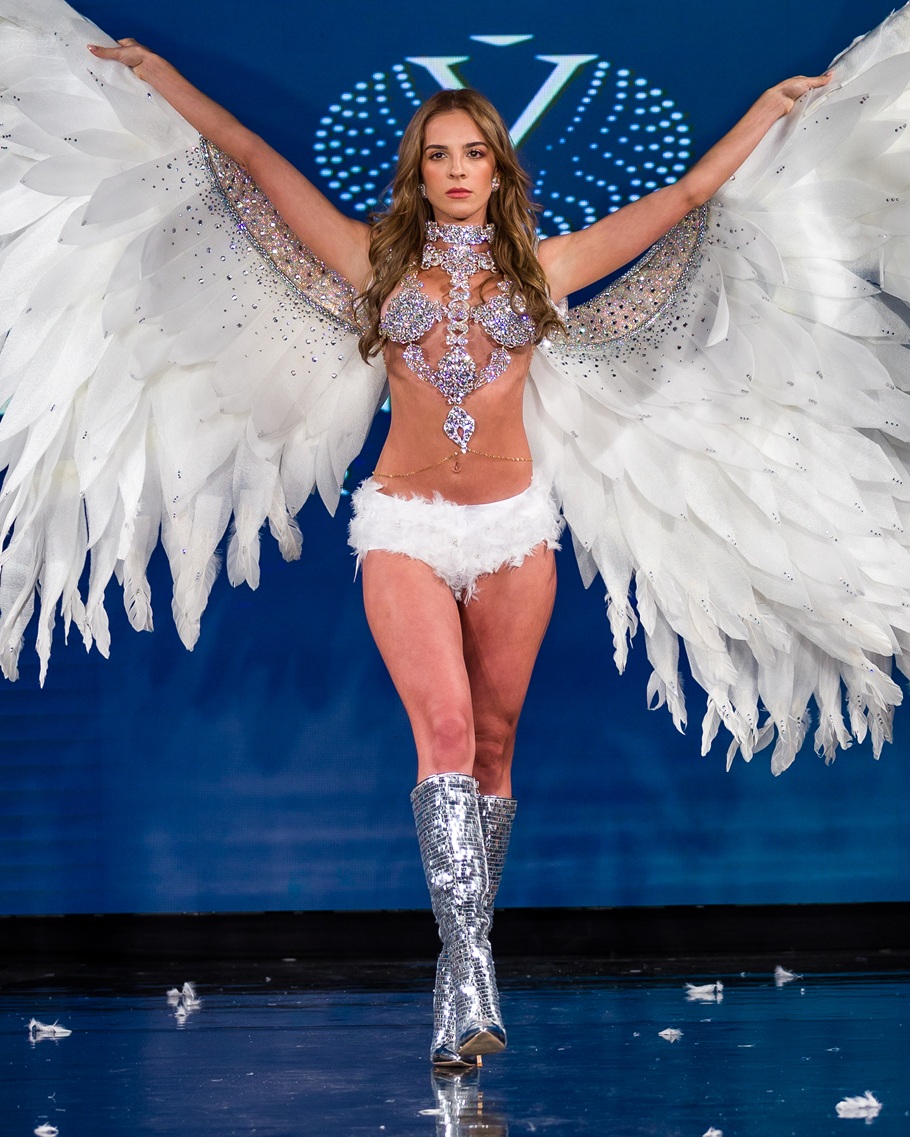
One of the defining visual elements was the use of oversized feather structures, reminiscent of carnival backlines traditionally seen in masquerade costumes. These plume arrays extended dramatically behind the body, transforming each look into a moving spectacle.
The silhouettes were designed to dominate the runway, creating a strong vertical presence while amplifying the model’s movement. Feather sprays combined with iridescent star-shaped elements and holographic surfaces, materials chosen specifically to react to stage lighting and camera flashes.
Color played an equally important role. The runway embraced what could be called an “Electric Jewel” palette—vivid cobalt blue, magenta, and teal balanced with warm sunset tones such as orange and yellow. The contrast between cool jewel shades and glowing gold surfaces reinforced the celebratory energy of the show.
Together, these elements signal a shift toward fashion that operates as visual performance, not just clothing.
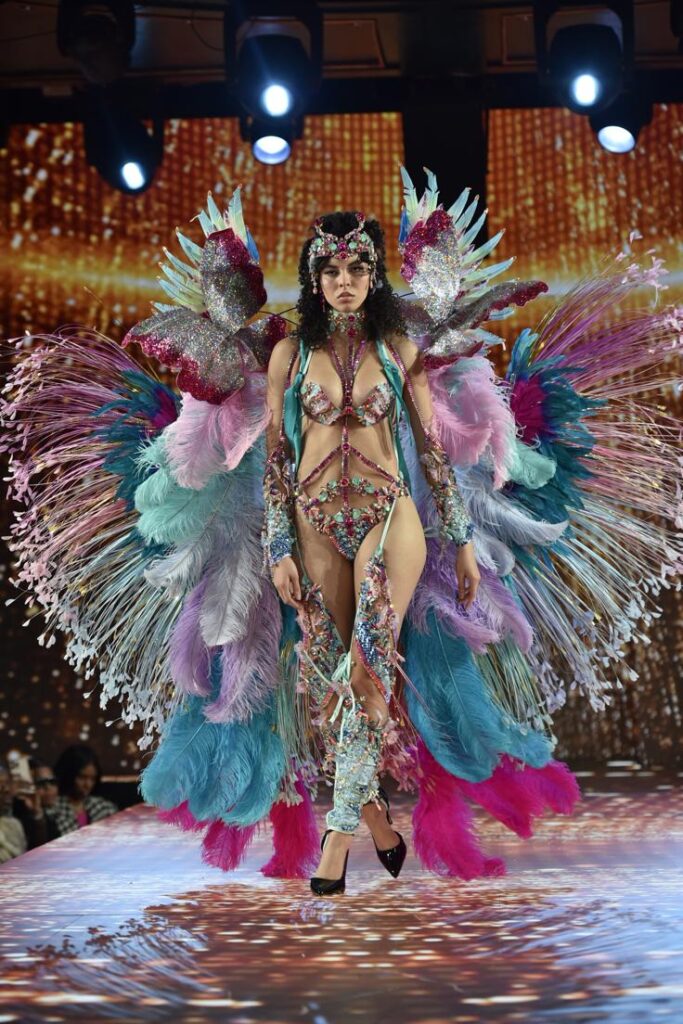
Anatomical Cut-Outs and Sculptural Lingerie
Another major trend emerging from the runway was the concept of anatomical construction. Instead of traditional lingerie shapes defined by lace or soft fabrics, the pieces used geometric strapping and molded forms to frame the body’s natural structure.
These designs created strategic negative space, where cut-outs traced the musculature of the torso rather than covering it. The result was lingerie that felt architectural—almost mechanical in its precision.
Structured cups and semi-rigid elements added to the futuristic effect, giving the garments a sculptural presence. This approach reflects a growing runway fascination with what some designers describe as “shaping the void”—using absence of fabric as an active design element.
Neo-Heritage and Tattooed Textures
A particularly striking element was the relationship between the garments and the body itself. Several looks incorporated sheer mesh constructions that revealed tattoos beneath the fabric, effectively transforming body art into part of the garment’s visual composition.
This “transparent suit” concept blurs the line between clothing and skin, allowing the wearer’s personal identity to become integrated into the design.
Elsewhere, metallic discs and mirror-like embellishments appeared across caplets and sleeves, creating a shimmering armor effect. The technique echoed traditional mirror-work found in South Asian textiles while simultaneously referencing modern club culture and nightlife aesthetics.
The result was a hybrid visual language that merged heritage craftsmanship with contemporary performance styling.
Key Trends Emerging from New York Fashion Week FW26
Taken together, the runway points to several larger trends shaping the current season at New York Fashion Week.
Silhouettes are becoming more exaggerated and theatrical, often incorporating wing-like structures or sharply defined high-waisted cuts that elongate the body. Fabrication is also evolving, with designers embracing iridescent sequins, rigid molding techniques, and dramatic feather textures.
Color stories are moving away from muted palettes toward high-energy jewel tones and luminous metallics, reinforcing fashion’s renewed interest in visual spectacle.
The Shift Away from Quiet Luxury
Perhaps the most important takeaway from the show is its clear rejection of the subdued aesthetics that dominated recent seasons. Rather than quiet luxury, designers are exploring fashion as structural storytelling—where garments communicate identity, celebration, and cultural influence.
At New York Fashion Week FW26, the rise of Neo-Carnival Maximalism and the Architectural Body suggests that the runway is once again embracing drama, performance, and unapologetic visibility. In a fashion landscape increasingly shaped by digital imagery and social media, clothing designed for spectacle may be exactly what the moment demands.