Runways
The West Coast Renaissance: How Los Angeles Fashion Week FW26 Is Redefining Couture
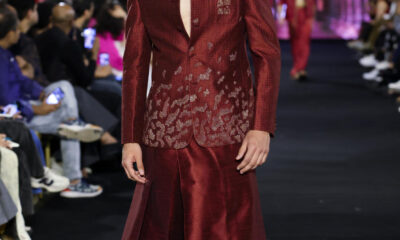
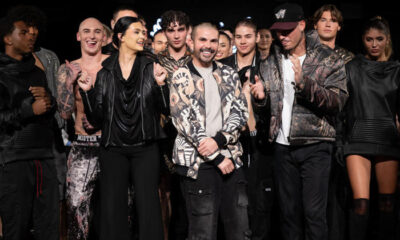
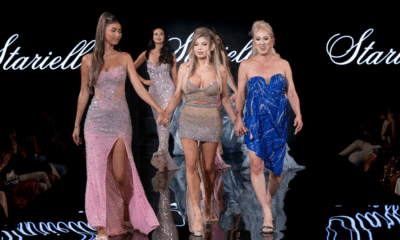
Los Angeles Fashion Week has always mastered spectacle. But at LAFW 2026, spectacle evolved into strategy. This season marked a decisive shift—one where the city moved beyond its ready-to-wear reputation and began establishing a distinct couture identity.
No longer confined to celebrity styling and red carpet dressing, LAFW by Art Hearts Fashion is now positioning itself as a serious player in global couture. What emerged this season is a new framework—West Coast Couture—where cinematic impact, cultural hybridity, and architectural design converge.
Red Carpet Armor: The Rise of Defensive Glamour
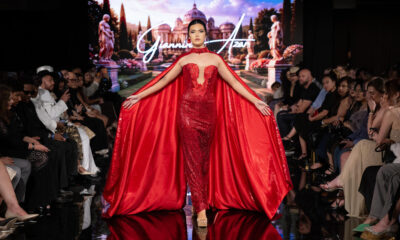
Giannina Azar’s FW26 collection encapsulated one of the most defining shifts of the season—fashion as armor.
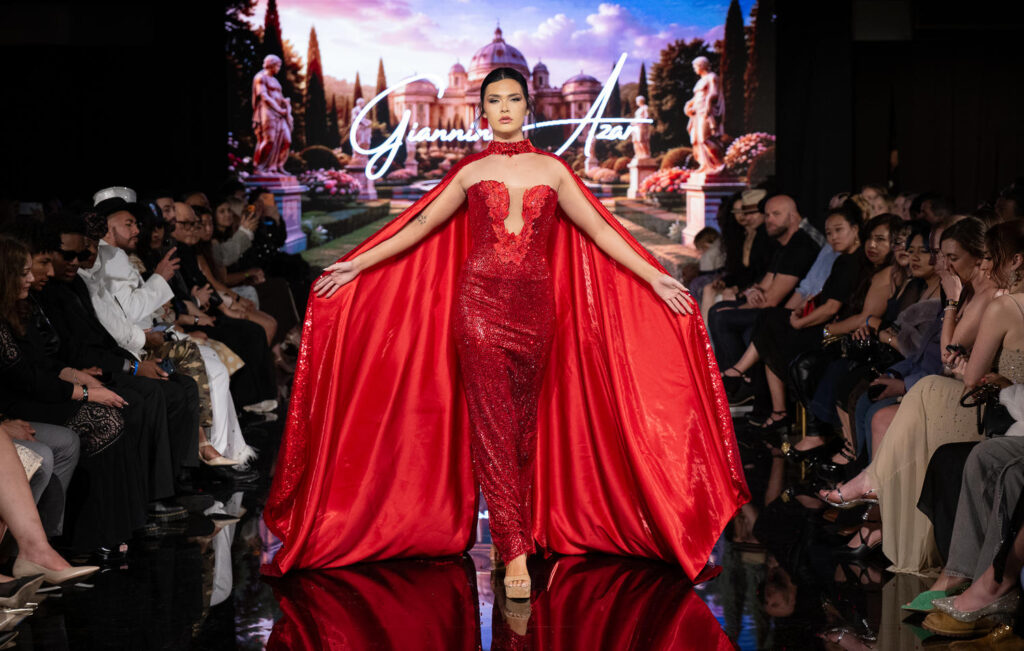
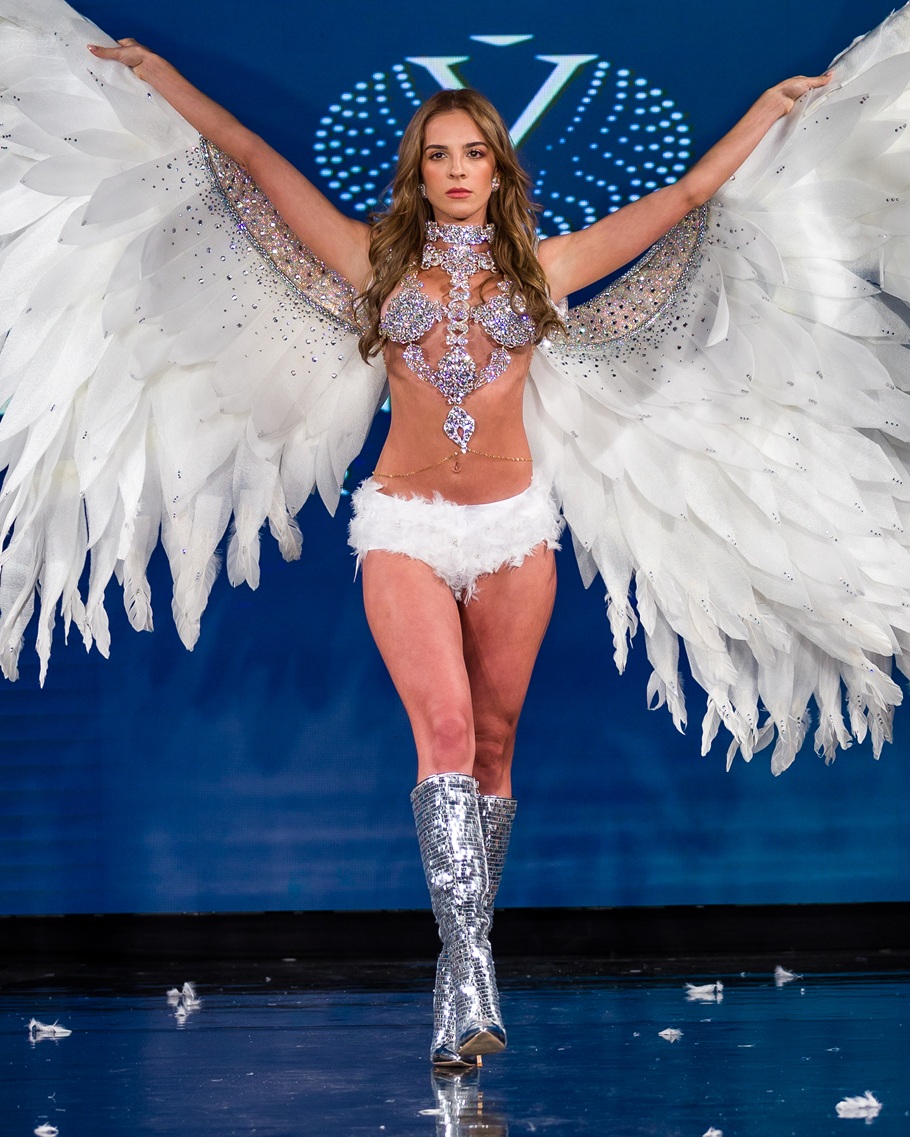
Metallics dominated the runway, but not as embellishment. Liquid gold and silver finishes were sculpted into structured silhouettes, reinforced by high necklines and strong shoulders. The garments projected control, power, and calculated visibility.
This signals a broader industry movement toward defensive glamour. In an era driven by high-resolution photography and viral red carpet moments, couture is no longer just about elegance—it’s about commanding attention under scrutiny.
Ethno-Futurism: The Globalization of Couture Identity
One of the most compelling narratives at LA Fashion Week FW26 was the rise of ethno-futurism—a seamless blend of cultural heritage and futuristic design.
George Styler continues to define this space with his integration of Balkan-inspired knitwork into structured, modern silhouettes. His work reframes tradition as a forward-looking design tool rather than a nostalgic reference.
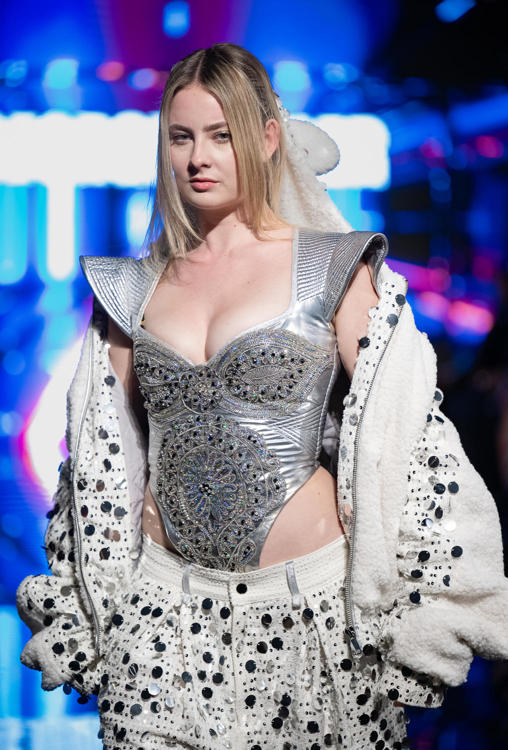
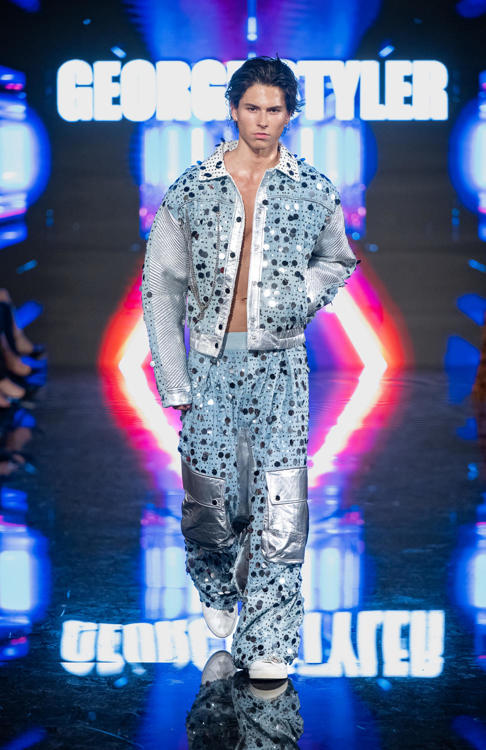
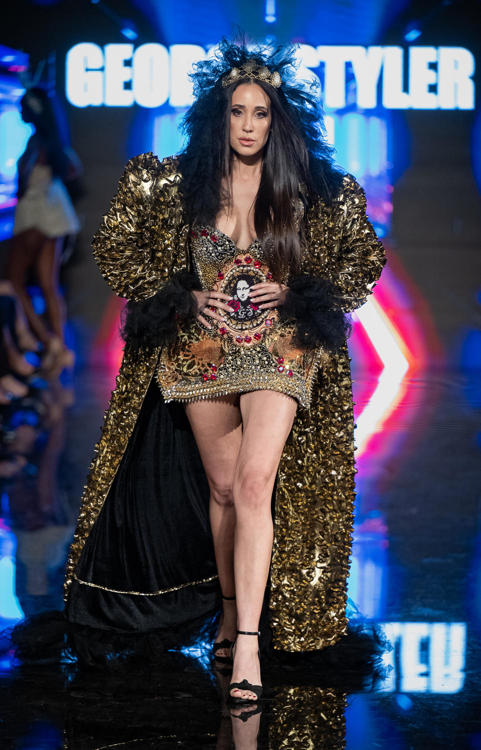
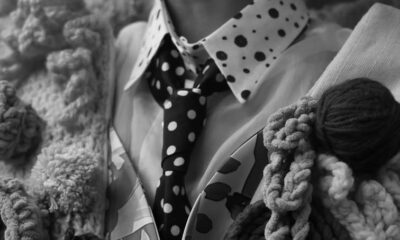
Nathalia Gaviria, in contrast, explores maximalism through layered textiles, exaggerated volumes, and contrasting textures. Her collections suggest a “Global Nomad” aesthetic—where couture adapts to movement, urban life, and cultural fluidity.
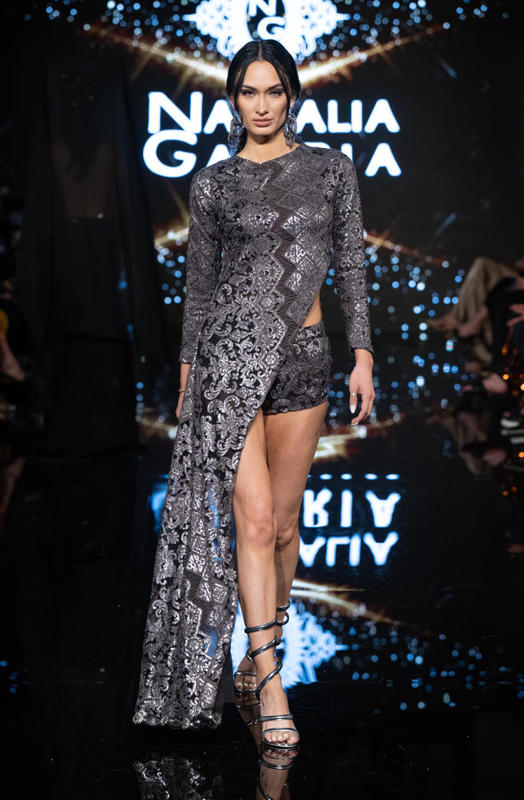
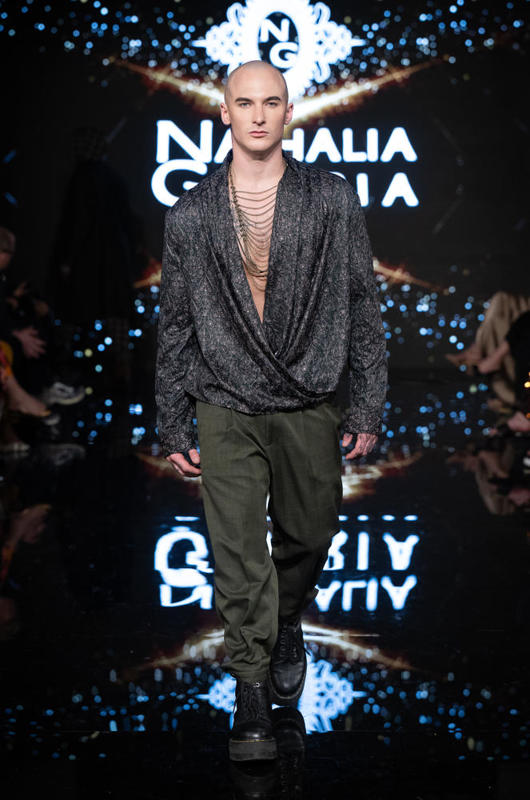
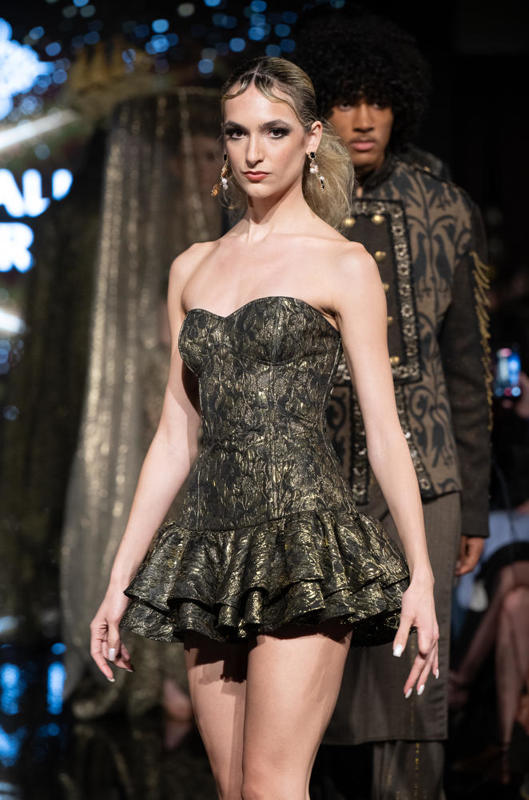
This trend reflects a larger shift in the global fashion market. Designers are no longer bound by geography; instead, they construct hybrid identities that resonate across international audiences.
For more on cross-cultural runway narratives, browse Fashion Herald’s designer-focused features in the Los Angeles Fashion Week hub.
The New Gothic: Architectural Noir Takes Shape
Breaking away from LA’s traditionally sun-soaked aesthetic, FW26 introduced a darker, more controlled design language.
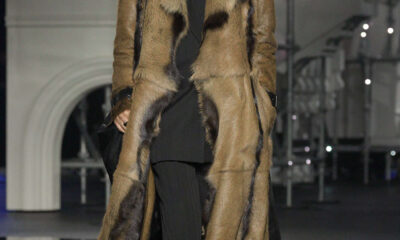
Morfium led the movement with collections rooted in dark romanticism—black-on-black textures, lace layering, and sharply defined tailoring. The emphasis was not on drama alone, but on precision and restraint.
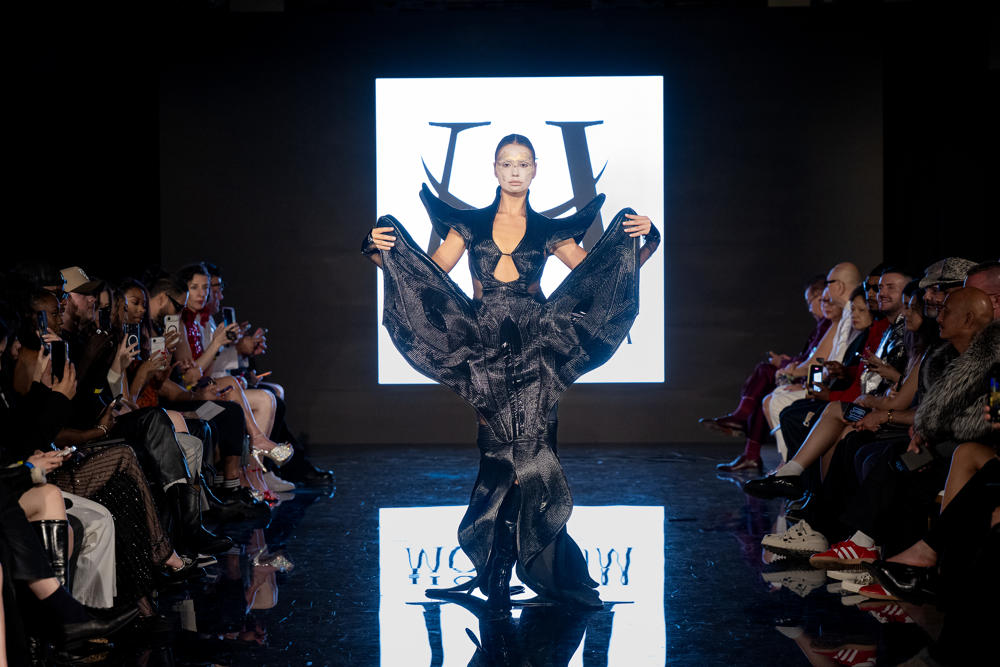
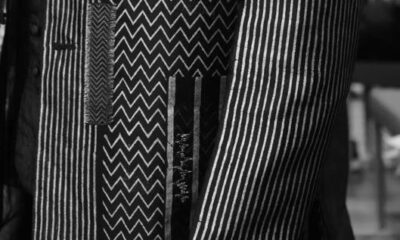
Merlin Castell expanded this direction through architectural silhouettes. His work prioritizes structure over color, using exaggerated proportions and geometric lines to create visual tension.
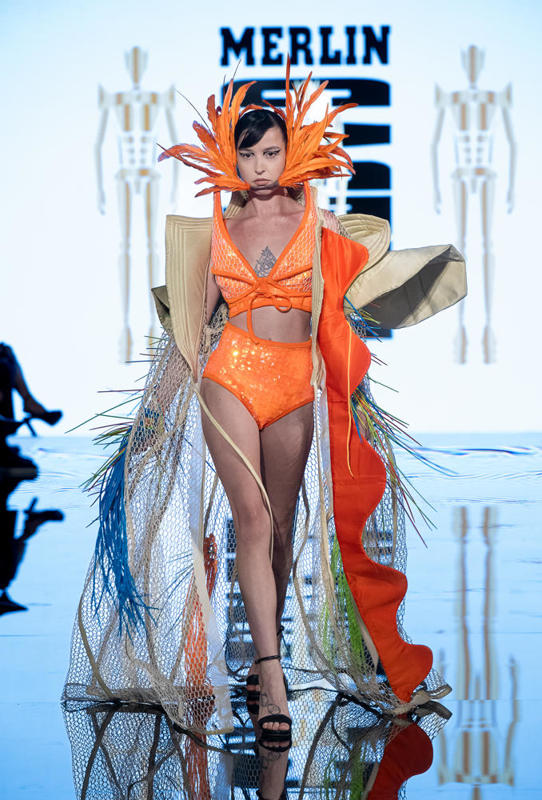
This evolution—best described as Architectural Noir—signals a growing appetite for discipline in design. LA is no longer relying on ease; it is embracing construction.
Readers interested in avant-garde runway movements can explore similar analyses within Fashion Herald’s LA Fashion Week coverage archive.
Soft Power: The Return of Structured Femininity
Balancing the intensity of metallics and gothic influences, a parallel trend emerged—one centered on controlled softness.
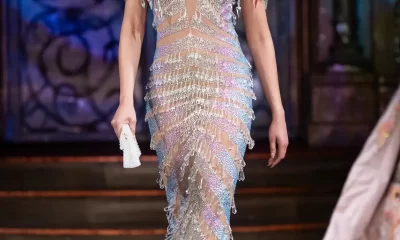
Marina Safina’s collections focused on fluid movement, using lightweight fabrics anchored by precise corsetry. The result is a dialogue between ease and structure, reminiscent of European couture ateliers but adapted for contemporary wearability.
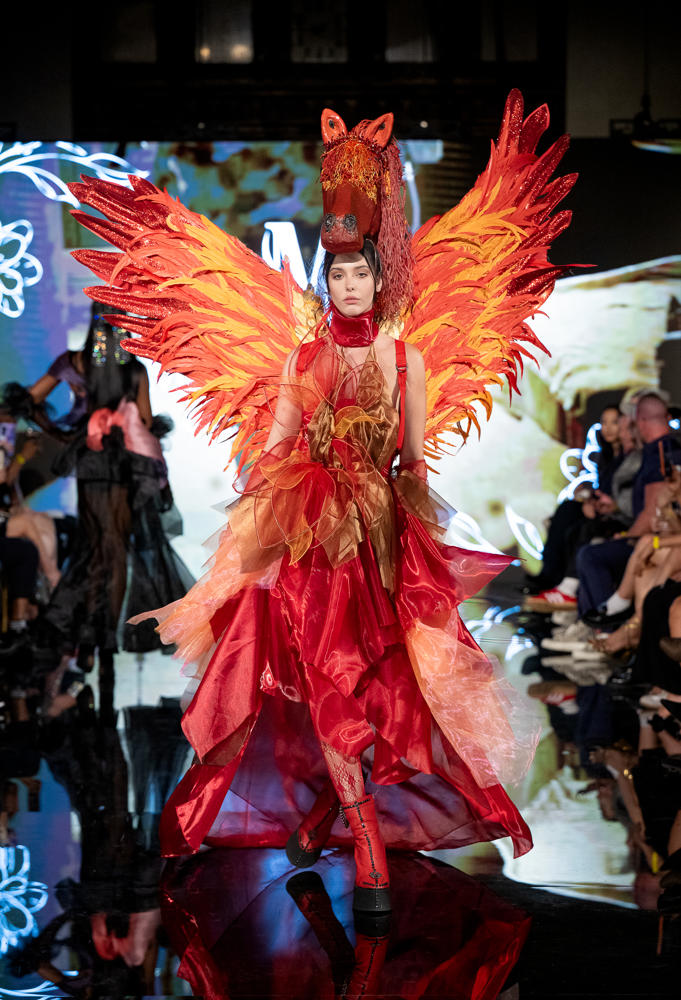
Maribel JD refined this concept further through silk satins and floral motifs, delivering what can be defined as Soft Power. These designs maintain delicacy while ensuring strong silhouette definition, particularly for editorial and red carpet contexts.
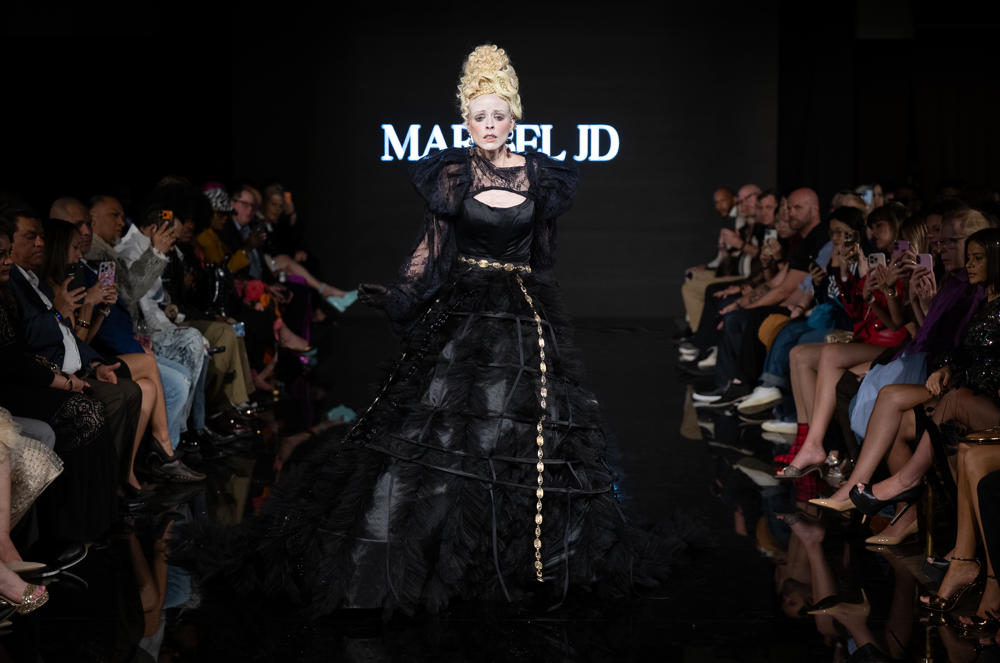
This shift suggests that femininity in couture is being re-engineered—not diminished, but strategically constructed.
For extended insights into red carpet styling evolution, visit related features within the Fashion Herald Los Angeles hub.
The Editorial Perspective: Why LA Fashion Week Matters Now
LA Fashion Week FW26 confirms a structural transformation in the global fashion landscape.
First, there is a clear move from print to texture. Designers are prioritizing tactile elements—beadwork, knitwear, and fabric manipulation—over surface-level graphics.
Second, couture is becoming increasingly cinematic. Garments are designed not only for physical presence but for digital and filmic representation, aligning with the entertainment-driven ecosystem of Los Angeles.
Finally, cultural synthesis is emerging as the city’s strongest asset. The integration of Balkan, Latin, and European influences within a single fashion week creates a multidimensional identity that resonates globally.
Los Angeles is no longer operating as an extension of established fashion capitals. It is building its own system—one that reflects the realities of media, globalization, and contemporary luxury consumption. LA is not entering the couture conversation. It is reshaping it.
For continued coverage, designer spotlights, and trend analysis, follow Fashion Herald’s dedicated Los Angeles Fashion Week section: