Celeb Style
Why Priyanka Chopra’s Globe Trotter Look Signals a Cultural Return to Indian Fashion Identity
Priyanka Chopra has always been a global figure — a Bollywood icon who stepped into international cinema and embraced Western aesthetics as naturally as the red carpets welcomed her. Yet her recent appearance at the Globe Trotter event in a distinctly Indian ensemble has stirred up far more conversation than a celebrity outfit usually does. And rightly so. This moment is not just about a beautiful look; it reflects a deeper cultural shift taking place among Indian audiences, creatives, and the diaspora.
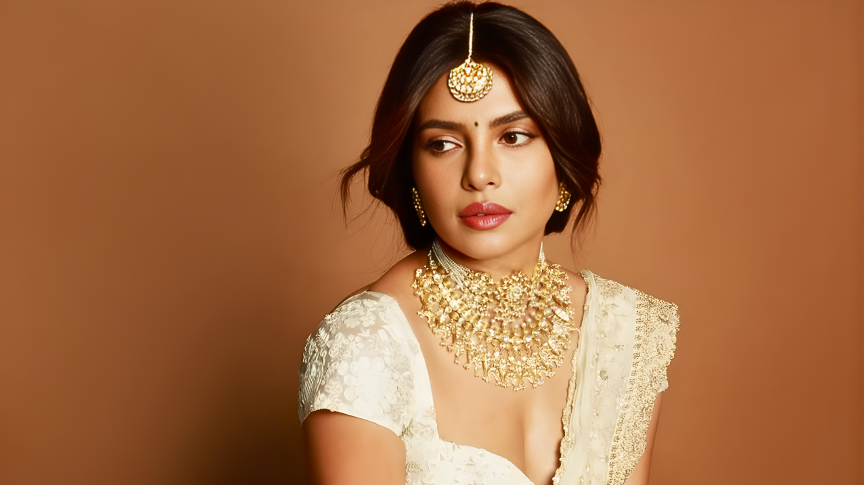
In an era where Indian consumers once placed Western fashion on a pedestal, the current admiration for Priyanka’s Indian look marks a meaningful pivot. The Indian fashion psyche is evolving, breaking away from the idea that global automatically means Western. Instead, there is a renewed pride in the country’s own textiles, silhouettes, and craft traditions. What was once considered “ethnic wear” is increasingly being recognised as global fashion in its own right. Priyanka’s look, therefore, becomes a symbol of this cultural recalibration — a validation that Indian identity can hold its own on international stages.
There is also something inherently poetic about her wardrobe choice. Priyanka Chopra, who built the second phase of her career in Hollywood, once leaned heavily into Western fashion norms. It wasn’t a rejection of her origins, but an embrace of the world she had stepped into. Her Indian attire at the Globe Trotter event reflects an intentional turn back toward her roots, signalling that cultural authenticity and global sophistication no longer stand in opposition. By arriving in an unmistakably Indian look, she didn’t just make a fashion statement; she acknowledged the significance of where she comes from and the cultural power she carries as an Indian woman on the world stage.
This shift aligns with a broader wave of cultural pride sweeping through the country. National identity and heritage are being re-examined with fresh respect, especially among younger generations. Whether through handloom revival, interest in regional crafts, or the popularity of Indian jewellery and textile-based runways, there is a clear appetite for reconnecting with what once felt too traditional to be “cool”. Priyanka’s appearance feeds into this larger narrative — reinforcing that embracing Indian culture is not about looking back, but about evolving with intention.
For the young designers participating in the Heritage of India initiative, this moment carries real opportunity. It sends a clear message that global relevance can emerge from rooted design. Indian motifs, weaving techniques, dyeing traditions, embroidery styles, and silhouettes are no longer confined to festive wear; they are becoming a language of contemporary fashion worldwide. Designers who draw from their heritage are not limiting themselves, they are tapping into a creative reservoir that international audiences are genuinely interested in.
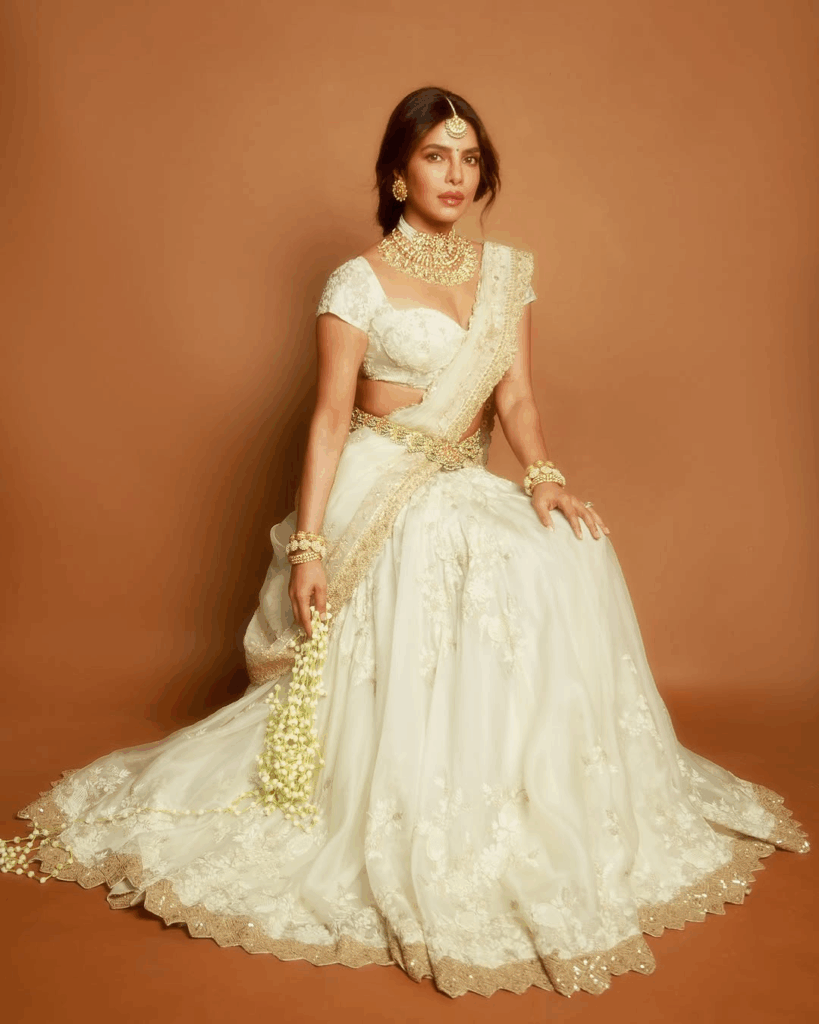
Priyanka Chopra’s Globe Trotter look became famous not simply because it was beautiful, but because it represented a layered cultural moment. It celebrated Indian aesthetics on an international platform, bridged the personal journey of a global Indian returning to her cultural essence, and mirrored the rising confidence of a generation reclaiming its craft identity. As the world grows more curious about regional narratives and authentic stories, moments like this one become catalysts for the fashion future India is capable of shaping.
For Indian fashion design community, this is a reminder that the stories woven into our textiles and traditions are not just history — they are contemporary, powerful, and ready to be reimagined by the next wave of designers.