Lifestyle
What This NYFW Signals for Independent Designers
New York Fashion Week has always positioned itself as the most commercially pragmatic of the big four. But this season, the subtext is louder than the runway soundtrack. Beneath the polished shows, celebrity front rows, and algorithm-friendly theatrics, NYFW quietly reveals something critical for independent designers: survival is no longer about talent. It is about structure.
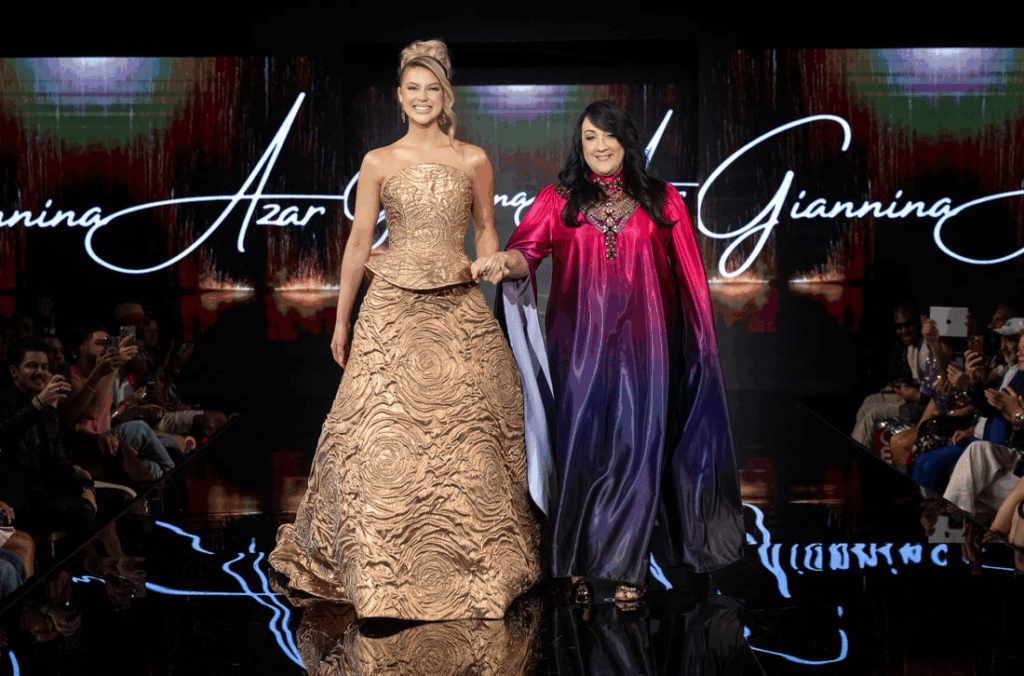
This season signals five unmistakable shifts.
Visibility Is No Longer Guaranteed by Participation
There was a time when simply being “on the calendar” created momentum. That era is over.
Independent labels showing this season faced a brutal reality: attention clustered around brands that already command cultural capital. Emerging designers without strong press ecosystems or strategic partnerships found themselves buried under the content avalanche.
The takeaway is clear. Showing is not a strategy. Amplification is.
Independent designers must now treat Fashion Week as a distribution moment rather than a validation moment. If there is no pre-seeded press narrative, no retail alignment, no influencer or buyer ecosystem ready to activate, the runway becomes an expensive photo opportunity.
Buyers Are Editing Harder Than Ever
Retail caution was visible in the silhouettes themselves. Collections leaned toward modularity, layering, and wearable experimentation rather than avant-garde spectacle. Designers who secured appointments reported the same refrain: clarity sells.
Buyers are not investing in brand potential. They are investing in product precision.
For independent designers, this signals a shift from expressive collections to tightly engineered line sheets. Cohesion, pricing logic, and margin clarity now matter as much as creative identity. Emotional storytelling must be paired with commercial architecture.
Production Scale Is Becoming a Silent Divider
NYFW exposes a growing gap between brands with operational infrastructure and those without it. The ability to deliver on time, produce at scale, and manage global fulfillment is no longer an operational detail. It is a competitive advantage.
Independent designers who lack backend systems face two risks:
- Overexposure without capacity
- Retail interest without delivery strength
This season made one truth unavoidable: operational maturity is now part of brand credibility.
Narrative Depth Is Winning Over Shock Value
Interestingly, the most discussed independent moments are not the loudest. They are the most intentional.
Designers who anchored their collections in cultural specificity, heritage craft, sustainability transparency, or personal storytelling resonated more deeply with press and audiences. The industry appears fatigued by gimmicks. Substance is resurfacing as currency.
For independent designers, this is an opportunity. You cannot outspend major houses. But you can out-contextualize them.
Strong positioning is becoming more powerful than spectacle.
Community Is Replacing Competition
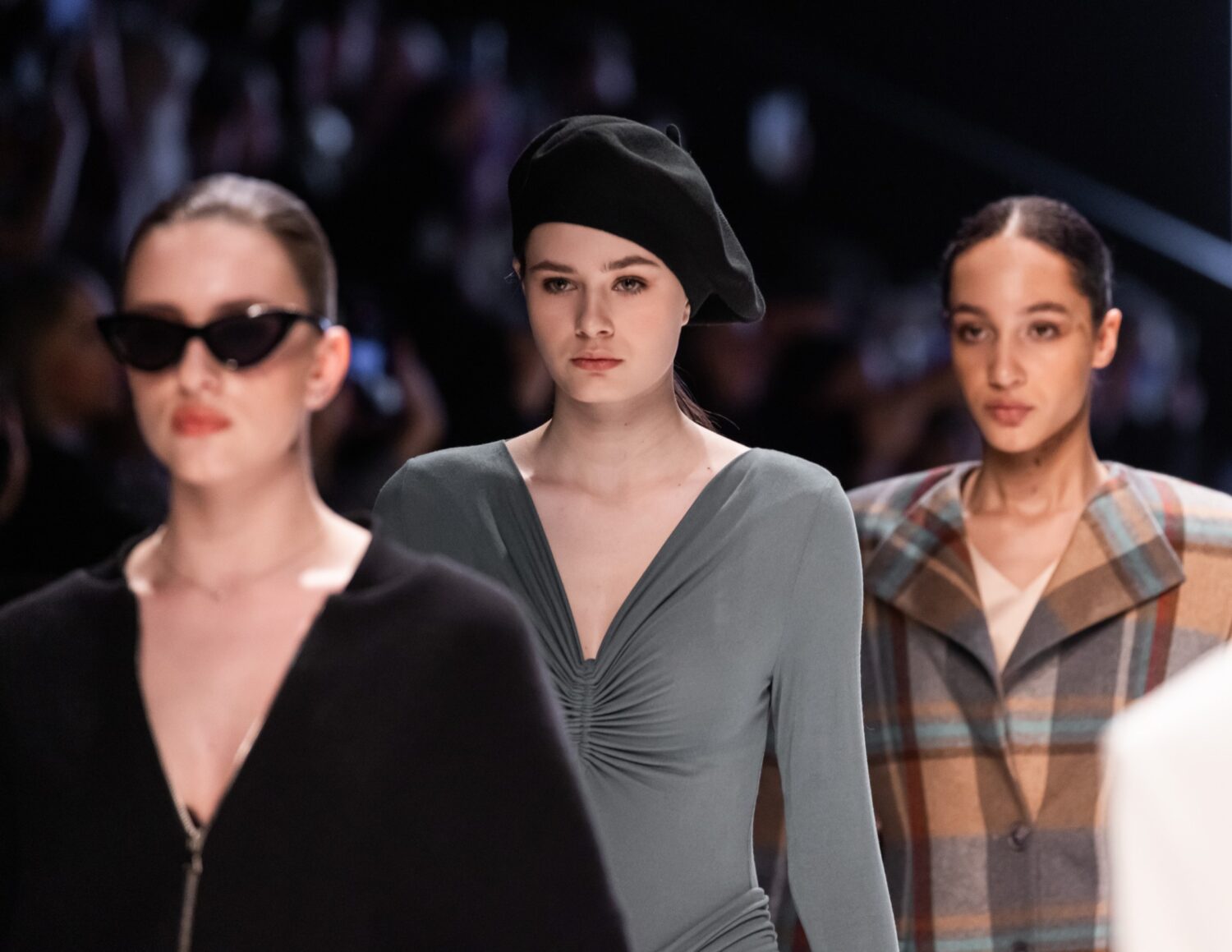
One subtle but powerful shift: collaboration over isolation. Designers are increasingly sharing resources, show spaces, stylists, and even production contacts. Collective showcases, shared ateliers, and cross-brand activations were more visible this season.
This signals a move toward ecosystem thinking.
Independent designers operating in silos may struggle. Those embedded in creative and commercial communities gain resilience, visibility, and bargaining power.
NYFW 2026 Was Less About Trends — More About Systems
What this season ultimately signals is maturity. The independent designer myth — raw talent discovered overnight — is dissolving.
In its place is a more demanding model:
- Strategic storytelling
- Retail intelligence
- Production discipline
- Media ecosystem building
- Community integration
The runway remains important. But it is no longer the center. It is one node in a much larger network.
For independent designers watching from the sidelines or reflecting post-show, the message is not discouraging. It is clarifying.The future belongs to those who treat creativity as the foundation — not the entire business model.
NYFW has evolved. The question is: have independent designers evolved with it?