Business
L’Oréal Shares Plummet 7% as Q3 Sales Fall Short, Casting Shadows on Beauty Giant’s Outlook
In a stunning blow to the beauty industry titan, L’Oréal saw its shares tumble nearly 7% in Paris trading on Wednesday, marking the steepest single-day decline since February 2024.
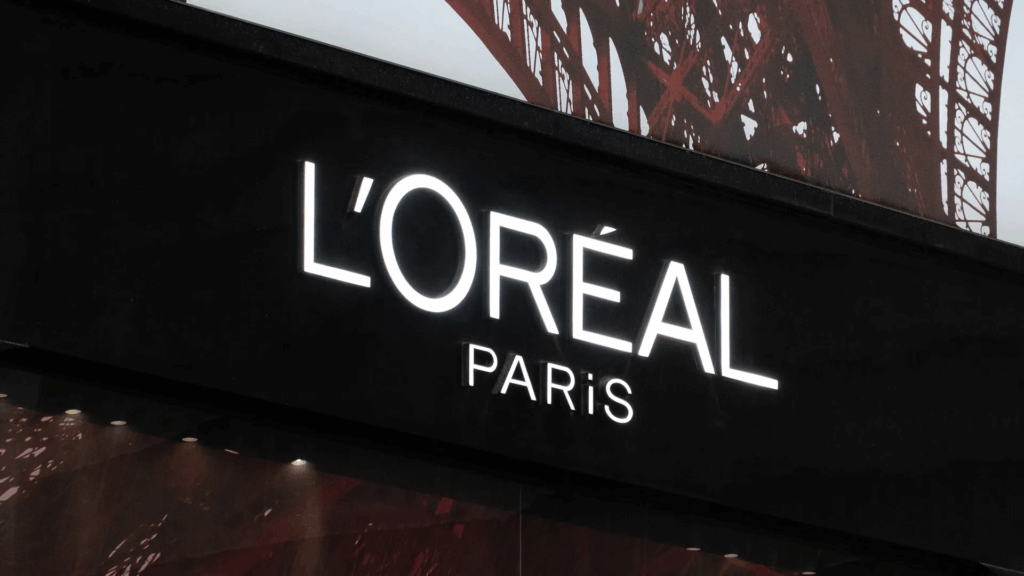
The French cosmetics powerhouse reported third-quarter sales of €10.3 billion ($12.01 billion), falling short of analyst expectations and sparking concerns about the brand’s trajectory in key markets like North America and China. The news sent shockwaves through the luxury beauty sector, as investors grappled with a murky outlook for one of the world’s most iconic beauty conglomerates.
The disappointing results, announced after market close on Tuesday, underscored a slowdown in L’Oréal’s momentum, particularly in North America, where demand for high-end cosmetics and skincare has softened. Analysts had anticipated stronger performance, with Bloomberg consensus estimates pegging third-quarter sales at €10.5 billion. The shortfall, coupled with cautious guidance from L’Oréal’s leadership, has raised red flags about the company’s ability to navigate an increasingly challenging global market.“L’Oréal’s miss is a wake-up call for the beauty industry,” said Camille Dubois, senior beauty analyst at Fashion Herald. “The North American market, once a reliable growth engine, is showing signs of fatigue as consumers tighten their belts amid economic uncertainty. Meanwhile, the specter of slower growth in China looms large.”
L’Oréal – A Closer Look at the Numbers
L’Oréal’s third-quarter sales grew by just 3.4% on a like-for-like basis, a deceleration from the 5.3% growth reported in the second quarter. The Consumer Products division, home to mass-market staples like Maybelline and Garnier, posted lackluster results, while the Luxury division, which includes premium brands like Lancôme and Yves Saint Laurent Beauté, struggled to maintain its luster in North America. The Professional Products division, catering to salons, also faced headwinds, though dermatological beauty brands like La Roche-Posay showed resilience.Deutsche Bank analysts, in a note published before Wednesday’s market open, flagged the sales miss as a cause for concern, citing “limited visibility” into L’Oréal’s performance for the remainder of 2025.
They also pointed to risks in China, where a sluggish economic recovery and shifting consumer preferences have dampened demand for luxury beauty products. “The combination of a softer North American market and uncertainty in China is a double blow for L’Oréal,” the analysts wrote.Barclays echoed this sentiment, describing Tuesday’s post-earnings conference call as “underwhelming.” “The call left much to be desired, with a murkier beauty outlook that will likely weigh on investor confidence,” the bank noted. L’Oréal’s leadership acknowledged challenges but emphasized ongoing investments in innovation and digital transformation as key pillars for future growth.
China’s Waning Glow on L’Oréal
China, a critical market for L’Oréal’s luxury and skincare segments, has been a focal point for investors. The country’s beauty market, once a beacon of double-digit growth, has faced turbulence due to economic slowdown and increased competition from domestic brands like Proya and Winona. L’Oréal’s cautious tone on China during the earnings call did little to assuage fears, with executives hinting at potential headwinds in the fourth quarter.“China remains a wildcard,” said Dubois. “Local brands are gaining ground, and L’Oréal will need to double down on its premium positioning and e-commerce strategy to maintain its edge.”
Industry Ripples
The fallout from L’Oréal’s results reverberated across the beauty sector, with shares of rivals like Estée Lauder and Coty dipping in sympathy. The broader luxury market, already grappling with inflation-weary consumers, now faces heightened scrutiny. L’Oréal’s stumble could signal tougher times ahead for beauty companies banking on aspirational spending.Despite the gloom, some analysts see opportunity in L’Oréal’s dip. “The sell-off may be an overreaction,” said Sophie Laurent, a luxury goods strategist at Morgan Stanley. “L’Oréal’s fundamentals remain strong, with a diversified portfolio and a robust innovation pipeline. Long-term investors may view this as a buying opportunity.”
As L’Oréal navigates this turbulent period, all eyes will be on its ability to reignite growth in North America and stabilize its foothold in China. The company’s upcoming holiday season campaigns, bolstered by new product launches and a push into AI-driven personalized beauty, could provide a much-needed boost. For now, however, the beauty giant’s sheen has dulled, leaving investors and industry watchers questioning whether L’Oréal can reclaim its radiance.For more updates on the beauty and luxury sectors, stay tuned to Fashion Herald.