Business
Levi Strauss Faces Margin Pressure Due To Trump Tarrifs
Levi Strauss & Co saw its shares dip nearly 7% in premarket trading on Friday, as investors reacted to the denim icon’s warning of tariff-related pressure on its fourth-quarter margins — overshadowing its upbeat full-year profit forecast. The announcement underlines how shifting U.S. trade policies under the Trump administration are continuing to reshape cost structures for global fashion players, particularly those sourcing from regions without established trade deals.
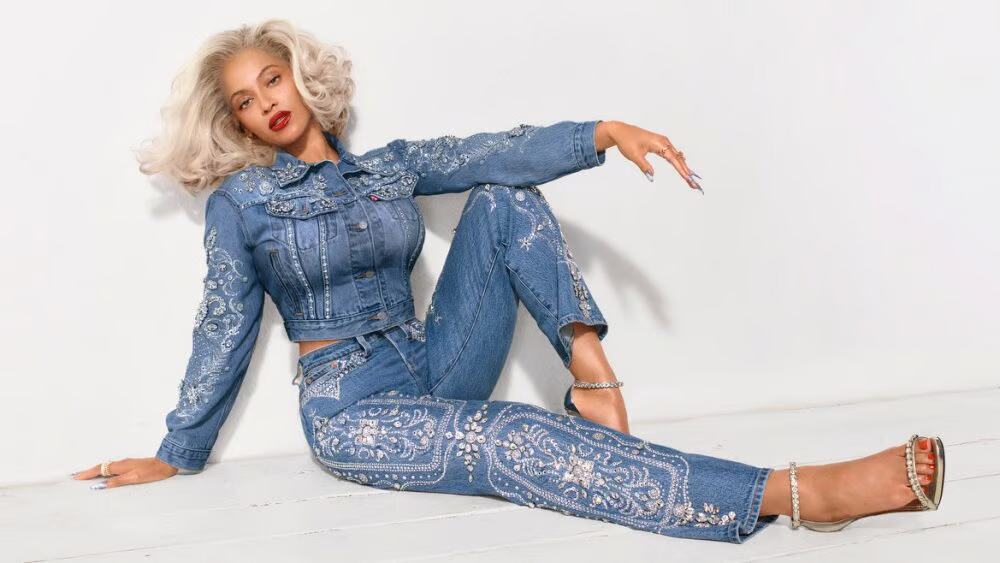
While Levi’s continues to ride the Gen Z–driven wave of relaxed fits and baggy silhouettes, the company cautioned that fourth-quarter gross margins could shrink by about 130 basis points due to tariff costs. Most of Levi’s manufacturing partners are based in South Asian countries like Bangladesh, Cambodia, and Pakistan — all currently facing elevated import tariffs. Analysts described the company’s outlook as “conservative,” noting that while Levi’s hasn’t seen any major dip in consumer spending, investors remain wary heading into the crucial holiday season.
The stock “move suggests investors left the print disappointed,” Morgan Stanley analysts said in a note, adding that the forecast implies that the holiday-quarter sales “will likely look optically worse on tougher compares.”
In response, Levi’s has moved proactively — securing about 70% of its holiday inventory early, tightening its inventory management, and slightly increasing product prices to balance costs. The brand has also focused on full-price sales and product diversification to maintain profitability. Despite the short-term market dip, Levi’s stock remains up roughly 40% year-to-date, trading at a forward P/E ratio of 16.9 — below premium peers like Ralph Lauren but comfortably ahead of mass-market competitors such as American Eagle. The denim giant’s resilience suggests that even amid global trade headwinds, Levi’s long-term growth story remains intact.
As mentioned, Trump’s trade policies have also pressured the margins of other retailers such as Ralph Lauren, Abercrombie & Fitch and Coach handbag owner Tapestry. However, companies that cater to more affluent customers face less burden as they can pass on the higher costs to the consumer.