Business
Kering’s Credit Outlook Turns Negative as Gucci Sales Plunge in 2025
In a significant development for the global luxury fashion industry, S&P Global Ratings has revised the credit outlook of Kering S.A.—the French luxury conglomerate behind Gucci, Saint Laurent, Balenciaga, and Bottega Veneta—from stable to negative. The decision follows a sharp decline in group sales during the first half of 2025, with flagship brand Gucci facing its steepest drop in years.
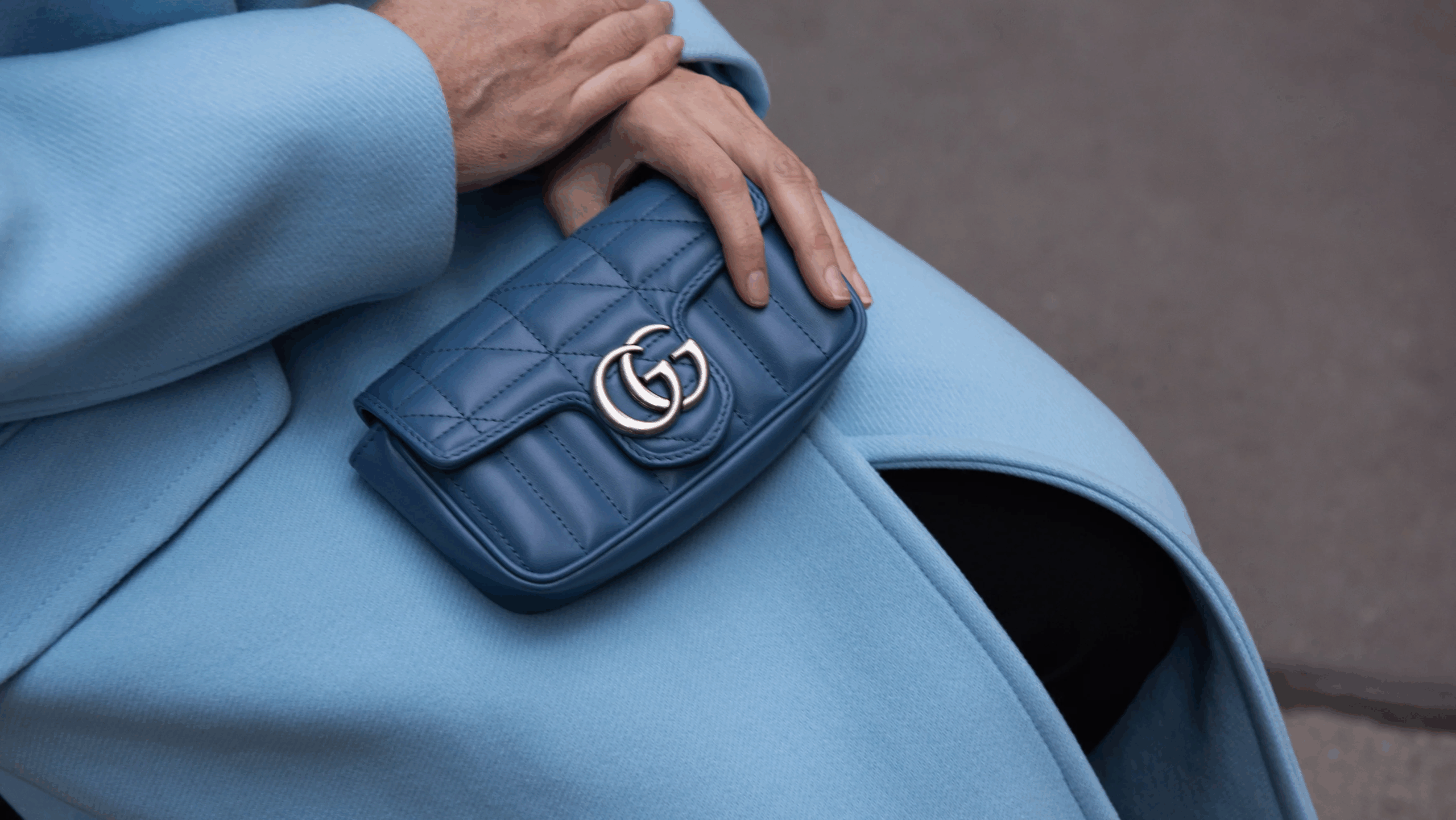
Gucci’s Decline Hits Kering Hard
According to Kering’s H1 2025 financial results, Gucci’s revenue fell by 25% year-on-year, a major blow for the brand that traditionally contributes more than 50% of the group’s EBITDA. The slump was most severe in the Asia-Pacific region, including China, where sales declined by 22% amid softening consumer demand.
Overall, Kering’s consolidated revenue for the first half of 2025 stood at €7.6 billion, down 16% compared to the same period in 2024 (–15% on a comparable basis).
- Recurring operating income fell to €969 million, with operating margins contracting 470 basis points to 12.8%.
- Net income plunged 46% to €474 million.
- Net debt reached €9.5 billion by June 30, 2025.
Despite these headwinds, S&P Global has maintained Kering’s BBB+ long-term issuer credit rating, albeit toward the lower end of the investment-grade spectrum.
S&P Global’s Warning to Kering
In its report, S&P Global stated:
“The negative outlook reflects Kering’s reduced rating headroom stemming from ongoing pressures in operating performance, execution risks associated with turnaround initiatives, and a subdued luxury market environment.”
This assessment reflects not only Gucci’s performance woes but also Kering’s broader struggle to match the growth momentum of rivals like LVMH, Dior, and Hermès—all of which have fared significantly better in 2025.
Kering’s Strategic Response
Kering is rolling out an aggressive turnaround plan to stabilize earnings and protect its brand equity:
- Leadership Overhaul: In June, Luca de Meo, former CEO of Renault, was appointed as Kering’s new CEO, effective mid-September 2025.
- Creative Shake-Ups: Gucci welcomed Demna as its new Artistic Director in July 2025, alongside creative leadership changes at Balenciaga and Bottega Veneta.
- Retail Footprint Reduction: The group will close a net 80 stores in 2025, up from an initial projection of 50, to streamline operations.
- Debt Management & Asset Sales: Kering generated €2.4 billion in free cash flow during H1 2025, boosted by €1.3 billion in property sales. A further €1.7 billion in real estate disposals is planned.
Financial Forecast & Market Trends
S&P estimates Kering’s full-year 2025 revenue will be €14.8–15.0 billion, with adjusted EBITDA expected at €3.6–3.7 billion, down from €4.5 billion in 2024.
The group’s debt-to-EBITDA ratio is projected to rise to ~4.0× this year, compared to 3.8× in 2024, with gradual deleveraging toward 3.5× by 2027.
On the broader industry front, Bain & Company forecasts a 2–5% decline in global personal luxury goods sales in 2025, driven by weaker demand in China and North America, though emerging markets in Southeast Asia and the Middle East remain resilient.
What’s Next for Kering?
While Gucci’s downturn is weighing heavily on Kering’s financials and investor sentiment, the company’s diversified brand portfolio, ongoing creative revitalization, and cash injections from asset sales may provide a foundation for recovery.
If Luca de Meo’s leadership can successfully reposition Gucci and other brands in a cooling luxury market, Kering could regain growth momentum by 2026. Until then, the luxury group faces a challenging balance between preserving brand prestige and improving operational efficiency.