Trends
Inside the Slow Unraveling of the Banarasi Handloom Economy
The Banarasi saree continues to shimmer across bridal trousseaus, festive wardrobes, and luxury showcases. Its motifs remain recognisable, its cultural symbolism intact. Yet behind this enduring icon lies a quieter truth: the weavers who built the craft over centuries are steadily disappearing from its future.
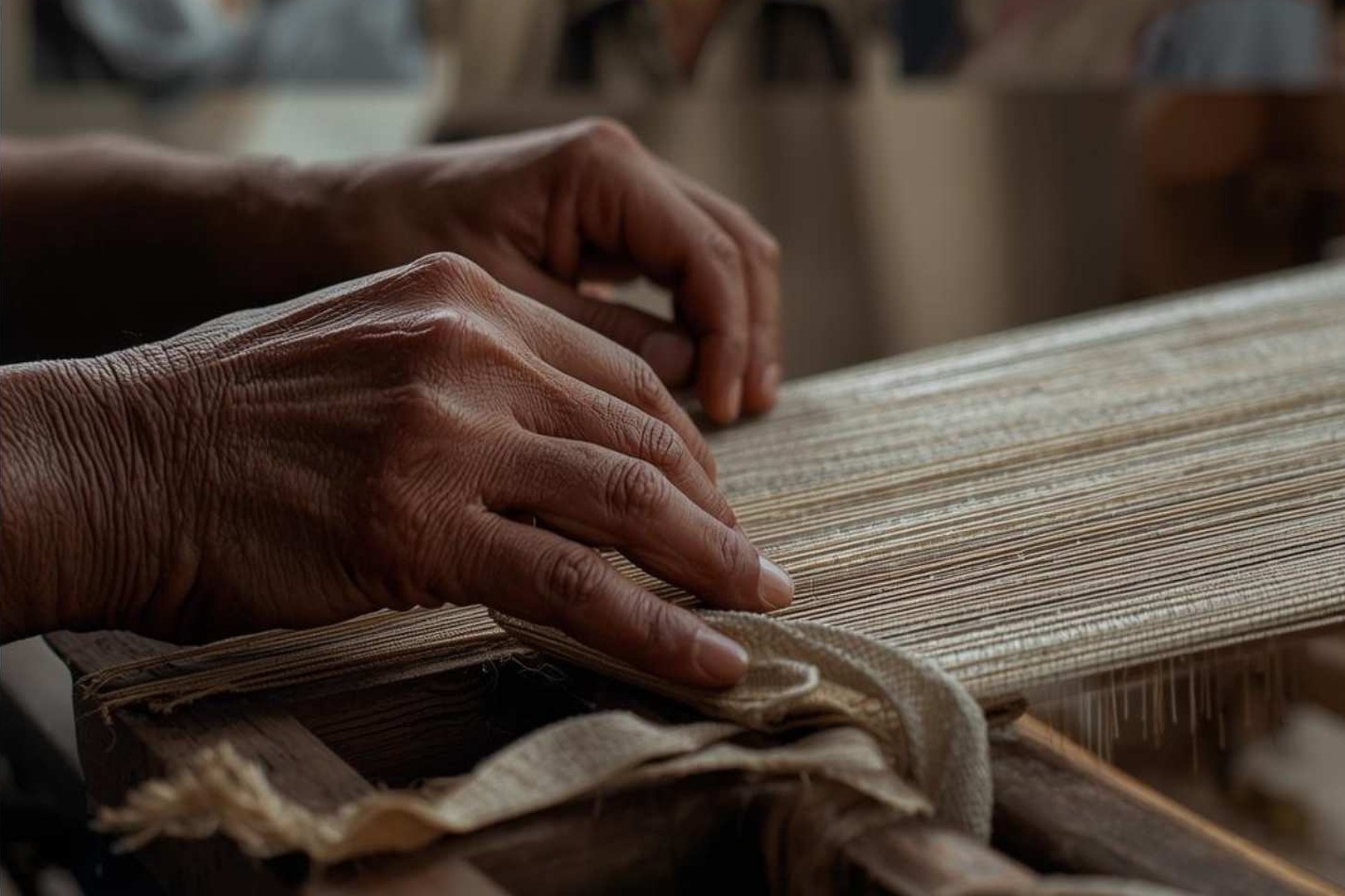
A pure handwoven Banarasi saree can take anywhere between ten days and six months to complete, depending on the intricacy of the weave and the complexity of zari work. Crafted from fine silk and traditionally woven with real gold and silver threads, the saree represents generational knowledge passed down across five or six family lineages. It is a textile shaped as much by time as by skill.
And yet, the economics of this heritage tell a far less romantic story.
While a handwoven Banarasi saree may retail anywhere between $100 and over $1000 the artisan behind it often earns only a small fraction of that value ( sometimes less than $5 ). Payments are frequently delayed, and months of labour can result in earnings that barely sustain a household. For many weavers, work itself is irregular — dependent on seasonal demand and intermediary contracts.
In contrast, power looms have reshaped the industry with speed and scale. A power loom can produce three to four sarees in a single day, using synthetic silk and imitation zari, retailing at significantly lower prices. These units offer consistent wages, predictable hours, and economic certainty — advantages handloom weaving rarely provides today.
Over time, speed won. Scale won. Skill began to lose ground.
The structural shift accelerated after India’s economic liberalisation in the 1990s, when power loom manufacturing expanded rapidly, particularly in Gujarat. Varanasi saw a surge of mechanised production, fundamentally altering the balance of its weaving ecosystem. Handlooms, once numbering in the tens of thousands, have dwindled to a fraction of that figure, with estimates suggesting only around 8,000 remain operational today.
The human cost of this decline is stark. Daily earnings from handloom weaving often fall below those of unskilled urban labour, pushing families to seek alternative livelihoods. Migration has become common, with younger generations leaving the loom behind not out of disinterest, but out of necessity. For them, the decision is less about abandoning tradition and more about choosing survival.
Perhaps the most painful irony lies in what followed.
A vast majority of sarees sold today under the “Banarasi” label are power-loom made, many produced outside Varanasi altogether. To the average buyer, the difference is nearly invisible. The name endures, even as the craft that defined it erodes.
In an unsettling twist, many displaced Varanasi artisans now work in power loom factories elsewhere, producing imitation “Banarasi” sarees that further dilute the very legacy they inherited. The brand survived. The business moved. The craft began inching toward museum status.
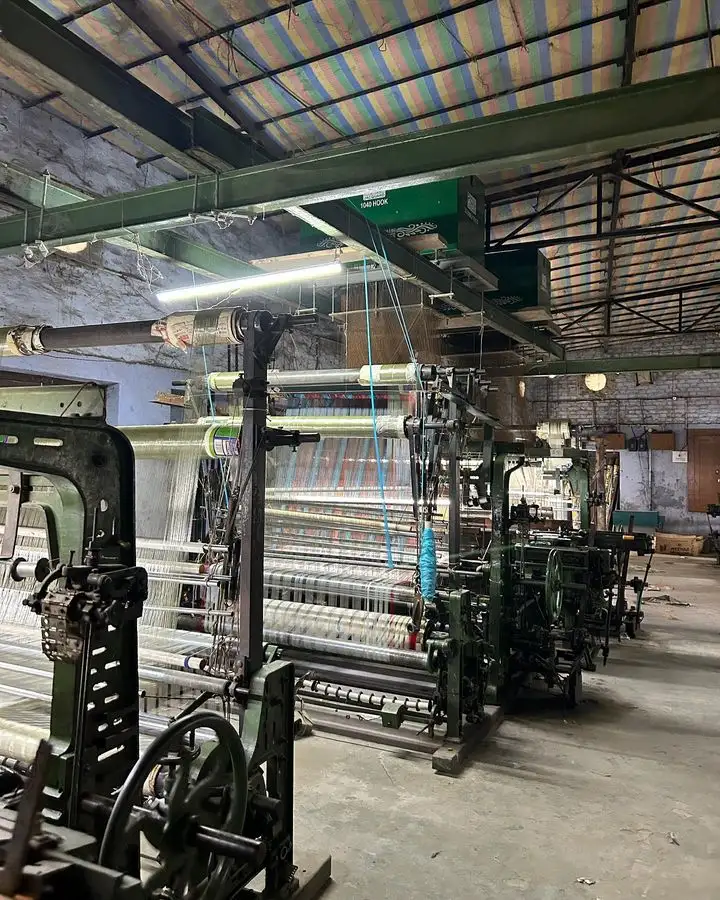
Protective measures have arrived late and unevenly. The Geographical Indication (GI) tag for Banaras Brocades and Sarees was introduced to safeguard authenticity and regional identity. But enforcement gaps and limited consumer awareness have blunted its impact. Master weavers continue to retire, while fewer young artisans step forward to replace them.
Heritage, when disconnected from livelihood, cannot sustain itself.
The Banarasi saree may continue to be admired, photographed, and celebrated — but admiration alone does not preserve a craft. Livelihood does.
The next time we pause before a Banarasi saree, the real question is not how beautiful it looks, but who truly benefited from its beauty.