Business
India and UK Toast to a New Trade Era: Free Trade Agreement Sealed
Diplomacy just got a stylish upgrade. As British Foreign Secretary David Lammy touched down in New Delhi this weekend, the spotlight wasn’t just on the warm handshake—it was on a historic trade handshake that’s set to reshape global commerce between the India and UK.
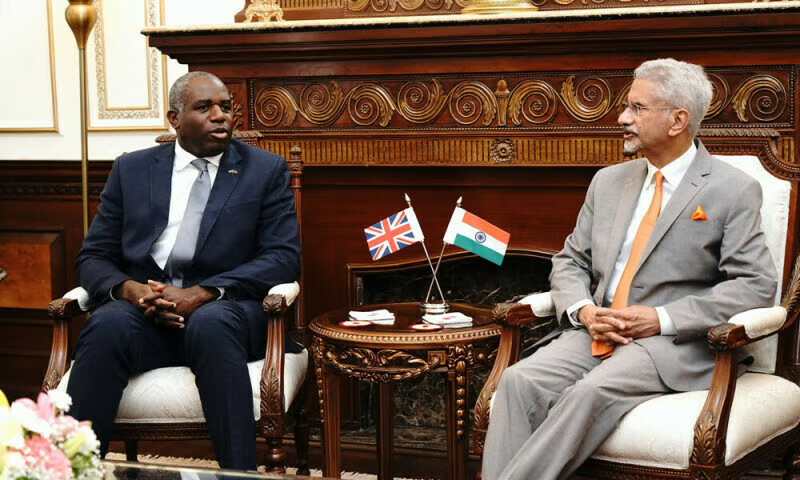
India’s External Affairs Minister, Dr. S. Jaishankar, didn’t mince words as he welcomed his British counterpart. “The recent conclusion of the India And UK Free Trade Agreement is truly a milestone,” he said, calling it a gateway to deeper strategic alignment, stronger value chains, and serious economic momentum.
Finalized just weeks ago after a long (and sometimes dramatic) negotiation saga, the India-UK FTA is a clear signal that post-Brexit Britain is getting bolder with its global ambitions—and India is more than ready to match that energy.
“It’s a trade tango between the world’s fifth and sixth largest economies,” as one observer cheekily put it. And the numbers don’t lie.
The deal is expected to boost the current £41 billion (₹4.6 lakh crore) trade relationship by an estimated £25.5 billion. That’s not just good news for the markets—it’s set to support over 600,000 jobs across both nations.
So what’s actually changing?
- India will reduce tariffs on an eclectic mix of UK exports including whisky, cosmetics, and high-end medical devices.
- Britain, in turn, will ease duties on Indian garments, footwear, food products (yes, frozen prawns are in the mix), and more.
“This agreement isn’t just about numbers. It’s about people, businesses, and possibilities,” said Lammy, hinting that the FTA is just the opening act. “It’s the beginning of something much bigger.”
The agreement had been stalled for years, caught in the political shuffle of previous UK administrations. But with talks revived in February this year, both sides moved swiftly to cross the finish line.
For fashion, retail, tech, and luxury brands across both countries, this deal spells open runways and greener trade corridors. For consumers, it could mean your favourite British single malt gets a little less pricey—and your next Indian silk kurta might hit London stores faster than ever.
Whether you’re raising a glass of Scotch or shopping for embroidered juttis, one thing is clear: this isn’t just policy—it’s progress, with style.