Business
How Indian-Focused Brands Are Winning Big: Lessons from Underneat Shapewear Story
There’s a quiet revolution happening in India’s fashion and lifestyle ecosystem. And no, it’s not coming from glossy global labels or the next import from Milan. It’s happening right here, built by homegrown founders who are doing something surprisingly rare — listening.
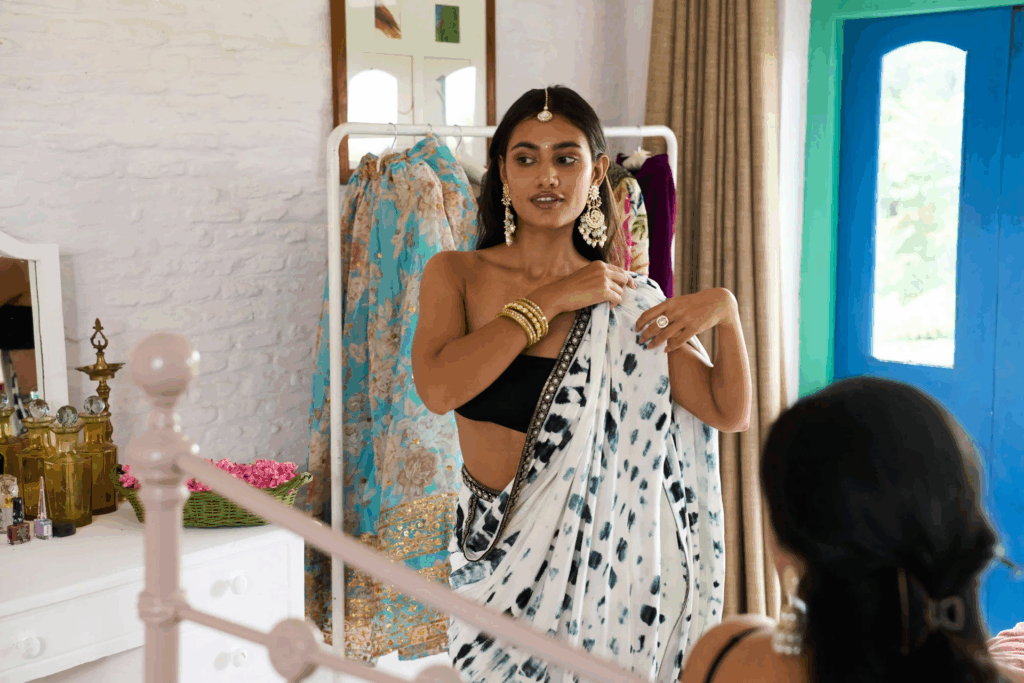
Underneat is the latest proof that Indian consumers don’t want Western solutions repackaged for an Indian market. They want products designed for the way Indian bodies move, Indian climates feel, and Indian wardrobes function.
And when a brand genuinely understands this, the market responds faster than anyone expects.
A Brand Built Before a Product
Most brands follow a predictable sequence: invent a product, package it nicely, then scramble for customers.
Underneat did the opposite. She built the customer base first.
For months, her social series “What Are You Wearing Under?” became a safe space for Indian women to share very real, very relatable problems:
- Bra straps slipping during work meetings
- Shapewear rolling down under sarees
- Fabrics that suffocate in Indian humidity
These weren’t random complaints. They were product research disguised as conversation.
Twelve thousand women contributed feedback. Underneat didn’t create prototypes in isolation — they co-created with their audience. Working mothers tested early iterations, dancers tried them for movement, women across body types shaped the final design. Sixty iterations later, the brand finally locked its first product.
And here’s the jaw-dropper: before Underneat launched even a single piece, 1,23,000 women joined the waitlist in 48 hours. No celebrity campaign. No product shots. Just trust.
The Power of Designing for India
India’s shapewear market is growing fast, but global brands have always pushed Western silhouettes, heavy fabrics, and unrealistic expectations around reshaping. Those simply don’t work for Indian weather, Indian clothing, or the comfort needs of Indian women.
Underneat identified this gap and built around it:
- Pricing premium shapewear at Rs 1,999 instead of the typical Rs 4,999
- Using moisture-wicking, polyester-free Sensil fabric that breathes in India’s heat
- Creating subtle support instead of rigid contouring because Indian women prefer comfort over aggressive shaping
This wasn’t just good design. It was cultural understanding.

The Results: Big Numbers, Bigger Signals
Underneat hit Rs 4.5 crore in GMV in just 100 days. It turned EBITDA positive from day one. Investors, including Fireside Ventures and Ghazal Alagh, put in 8 to 10 crore even before the product shipped.
That’s not normal. It’s what happens when a brand solves a real, India-specific problem that everyone else has ignored.
They’re now targeting Rs 100 crore in the next 36 months. And honestly, with this trajectory, it doesn’t sound far-fetched.
A Blueprint for Indian Fashion Entrepreneurs
Indian success stories today are not being written by brands that mimic Western aesthetics or shoehorn global concepts into local markets. They’re being written by founders who observe, ask, listen, and build with cultural accuracy.
Underneat’s journey proves three things:
- India doesn’t need more Western-inspired solutions; it needs Indian answers for Indian realities.
- Community-led product development isn’t a trend — it’s becoming a competitive advantage.
- Brands win when they treat their audience as co-creators, not just consumers.
Underneat’s story is a reminder to every young Indian designer and founder: innovation doesn’t always live in big factories or fancy studios. Sometimes, it lives in the quiet honesty of everyday complaints, in the small frustrations that no global brand has ever stopped to fix.
And when a brand solves those frustrations with authenticity, India rewards it generously.